Information
City: BogotaCountry: Colombia
Continent: South America
Bogota, Colombia, South America
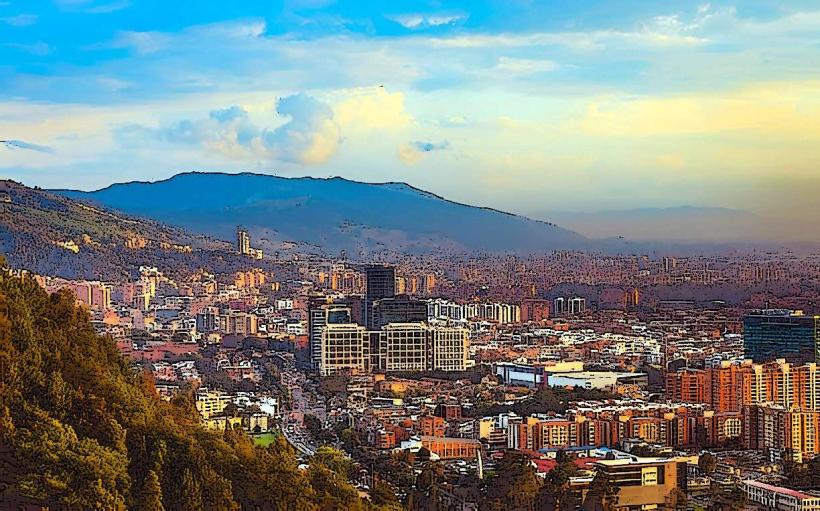
Bogotá is the capital of Colombia, situated on a high-altitude plateau in the Andes at 2,640 meters (8,660 ft). As of January 2026, the city is undergoing a profound structural transformation centered on its first-ever metro system and a critical response to climate-driven resource scarcity.
2026 Strategic & Infrastructure Context
Metro Line 1 Status: As of January 2026, the project is approximately 70% complete. Funding for the remainder of the year is secured via international loans from the World Bank and IDB. Construction is heavily focused on the elevated viaduct segments, with the goal of reaching 90% completion by the end of 2026 and starting operations in 2028.
Water Crisis & Rationing: The city remains under a strict water rationing regime as of January 2026. The Chingaza reservoir system, which supplies 70% of the city, has faced historically low levels due to prolonged drought and El Niño/La Niña fluctuations. Tighter restrictions are expected through March 2026 to avoid "Day Zero."
El Campín Stadium Redevelopment: A major new project unveiled in January 2026 involves the complete transformation of the historic El Campín stadium into a 50,000-capacity "civic heart" with a retractable roof.
Aviation: El Dorado International Airport (BOG) continues its "El Dorado Max" expansion in 2026, integrating new digital biometric boarding and expanded cargo logistics to maintain its position as the busiest cargo hub in Latin America.
2026 Demographics & Population
The metropolitan population has reached approximately 11.9 million. Bogotá continues to be the primary destination for internal displacement and regional migration, leading to a high-density urban environment with approximately 4,500 people per square kilometer in the consolidated urban area.
Urban Layout & Key Districts
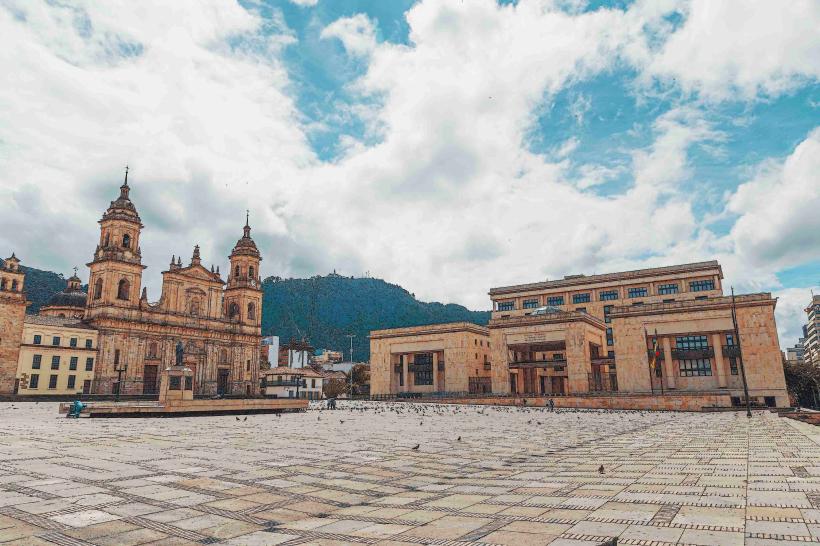
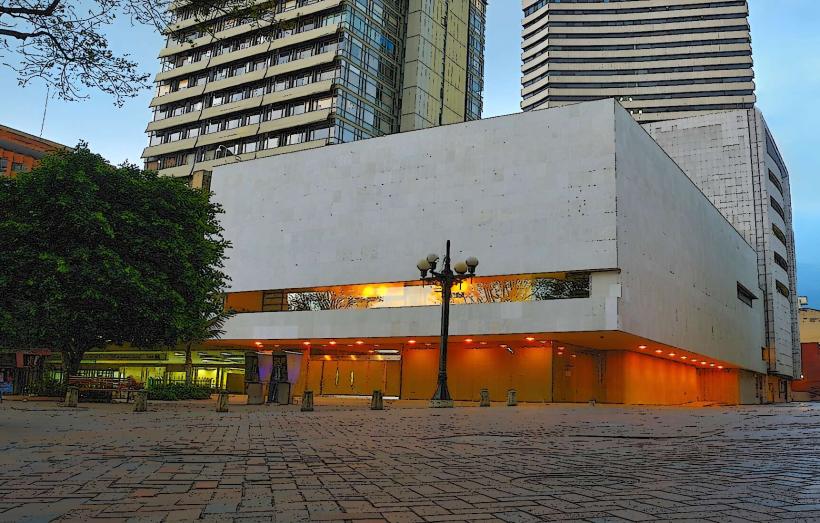
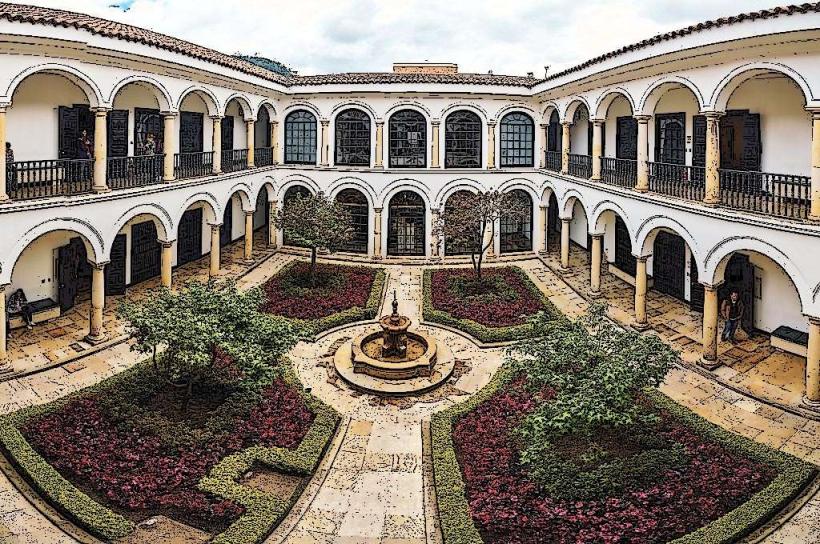
La Candelaria: The historic core, housing the Gold Museum, Botero Museum, and primary government buildings.
Chapinero / Zona G: The financial and culinary center. In 2026, this area is a hub for the city's growing "digital nomad" and tech startup scene.
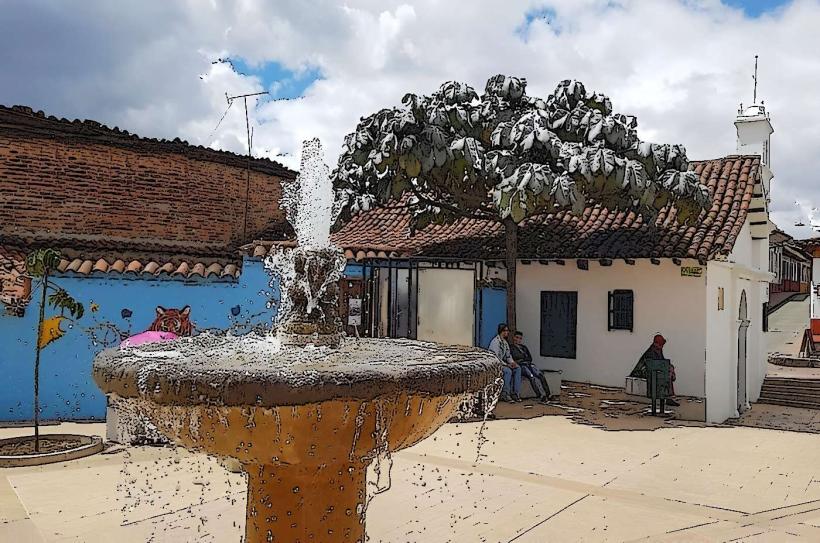
Usaquén: An upscale northern district known for its preserved colonial plaza and high-end commercial centers.
Ciudad Bolívar: A high-density southern district characterized by the TransMiCable (gondola system), which serves as a model for social urbanism.
Security & Travel Alert (January 2026)
Protest Activity: A significant demonstration alert was issued for January 15, 2026, specifically near the US Embassy and surrounding commercial sectors.
General Precaution: International advisories maintain an "Exercise a high degree of caution" status due to violent crime and civil unrest. The use of ride-sharing apps over street taxis is highly recommended for foreign visitors.
Top Landmarks
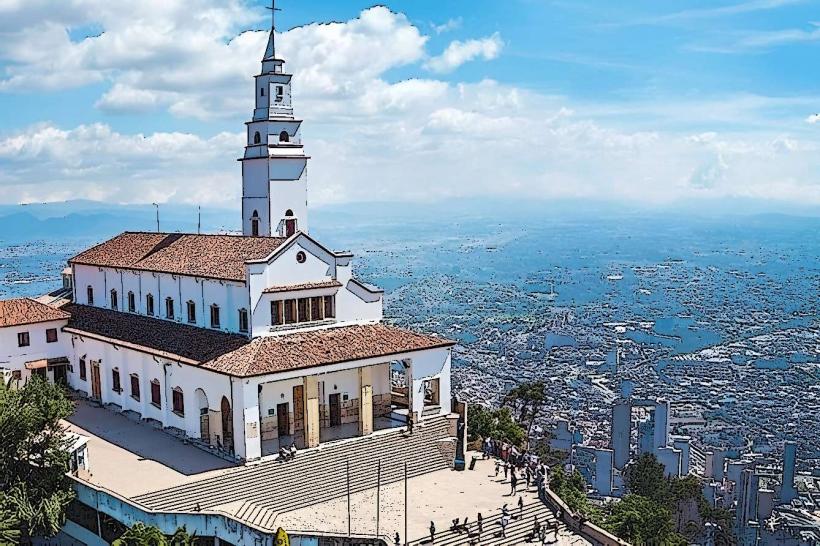
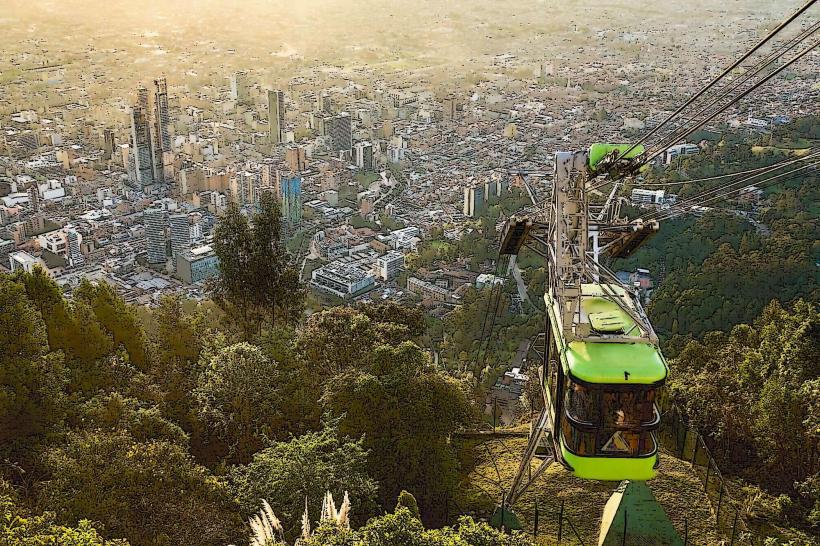
Monserrate Sanctuary: Accessible by funicular or cable car; remains the primary spiritual and panoramic landmark.
Gold Museum (Museo del Oro): Houses over 34,000 pieces of pre-Hispanic gold.
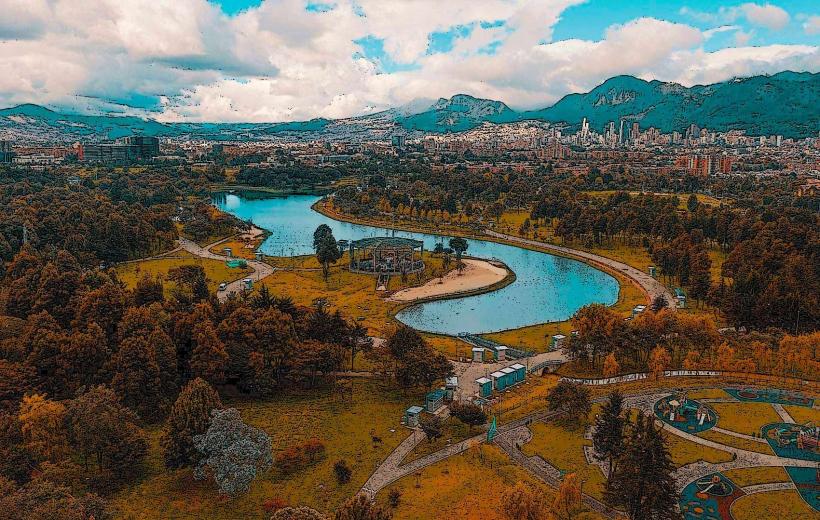
Simón Bolívar Park: The city's "central park," covering over 400 hectares and serving as the primary site for the "Rock al Parque" festival.
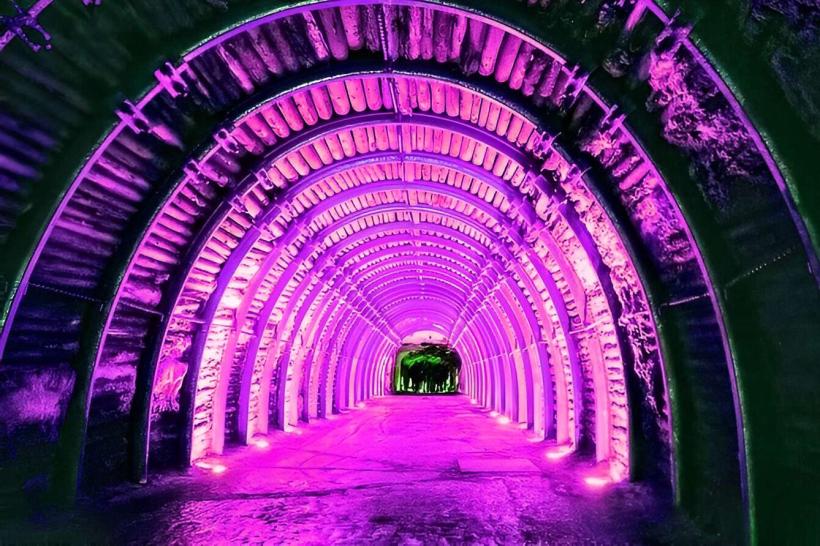
Salt Cathedral of Zipaquirá: An underground cathedral carved into a salt mine, located 48 km north of the city.
Facts & Legends
Legend says the god Bochica saved the Sabana from a flood by creating the Tequendama Falls with a stroke of his staff. A geographic fact: Bogotá is one of the few global capitals where the temperature rarely fluctuates more than a few degrees year-round, maintaining a "perpetual spring" average of 14°C. Historically, it was founded in 1538 by Gonzalo Jiménez de Quesada on the site of the Muisca village of Bacatá.