City: Colonia del Sacramento
Country: Uruguay
Continent: South America
Colonia del Sacramento, Uruguay, South America
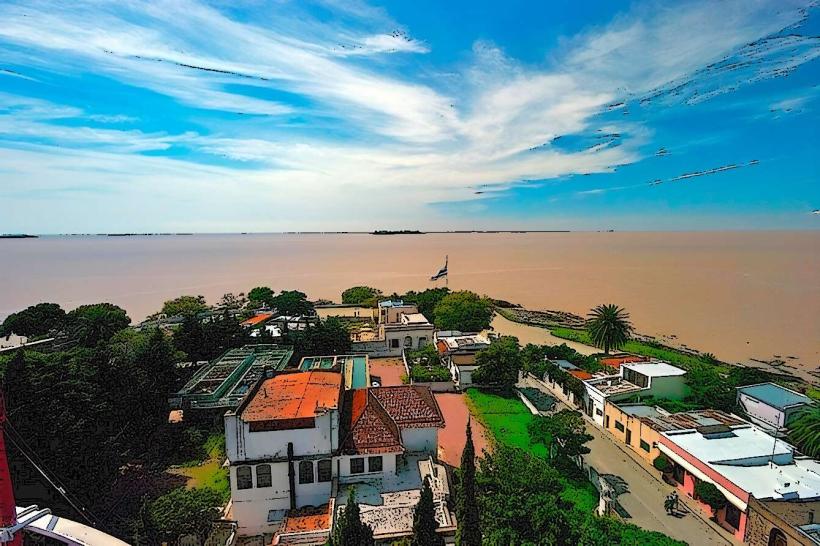
Colonia del Sacramento serves as a major tourist gateway and the administrative capital of the Colonia Department. It is located on the southwestern coast of Uruguay, positioned directly across the Río de la Plata from Buenos Aires, Argentina.
Historical Timeline
The city was founded in January 1680 by Portuguese Governor Manuel Lobo. Its governance fluctuated between Portugal and Spain for over a century due to its strategic position, changing hands over seven times before Uruguay’s independence. The most significant architectural reconstruction occurred in the late 20th century, specifically following its 1995 designation as a UNESCO World Heritage site, which mandated the preservation of its Luso-Hispanic fusion. The 1777 Treaty of San Ildefonso is the primary event that solidified the Spanish influence on its current urban layout, though Portuguese cobblestone work remains dominant.
Demographics & Population
The population within the city limits is approximately 26,200 residents. The demographic composition is over 90% of European descent (primarily Spanish, Italian, and Portuguese), with small minorities of Afro-Uruguayans. The median age is approximately 34.5 years.
Urban Layout & Key Districts
The city is organized into a colonial historic quarter and a modern expansion.
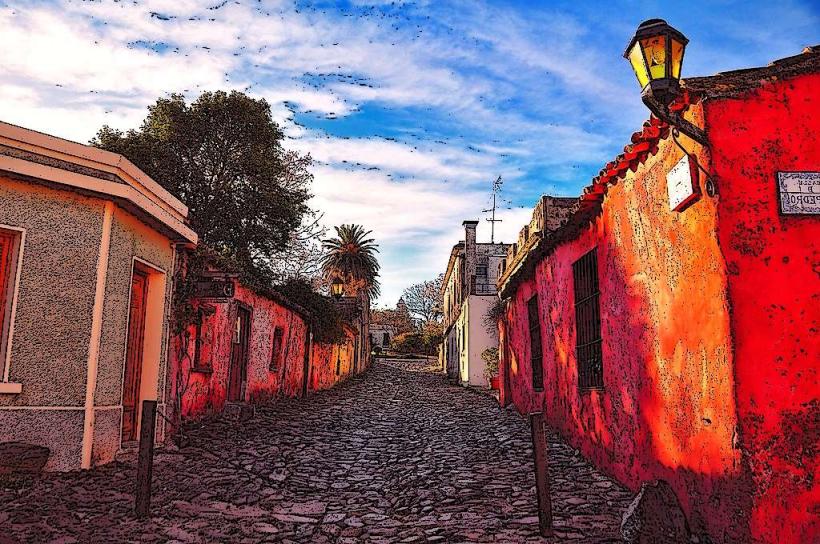
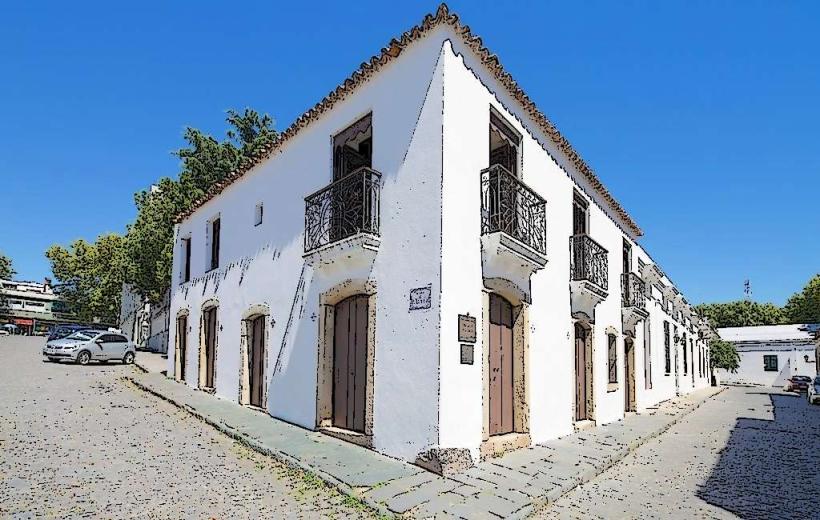
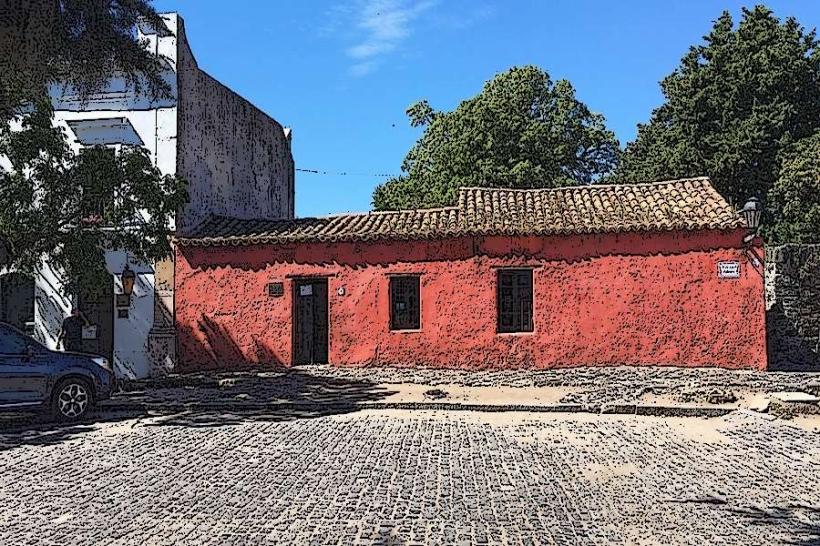
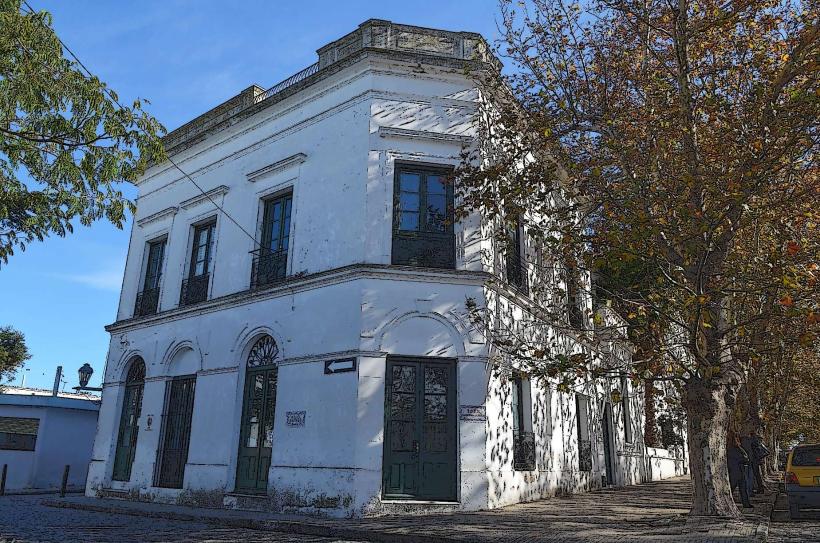
Barrio Histórico (Historic Quarter): A peninsula characterized by irregular, non-grid cobblestone streets, containing the primary cultural monuments.
Real de San Carlos (North): A historic district containing the former bullring and recreational facilities.
Centro (Commercial District): Located inland from the historic quarter, centered around Avenida General Flores.
Top City Landmarks
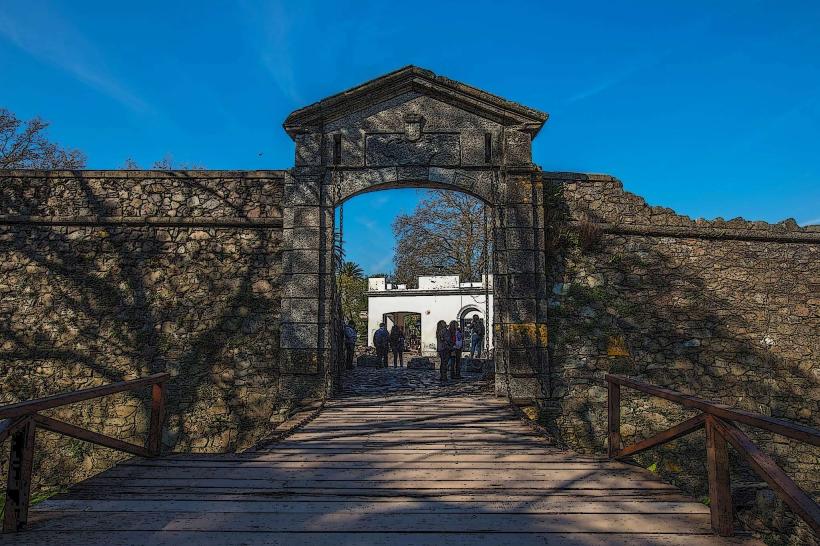
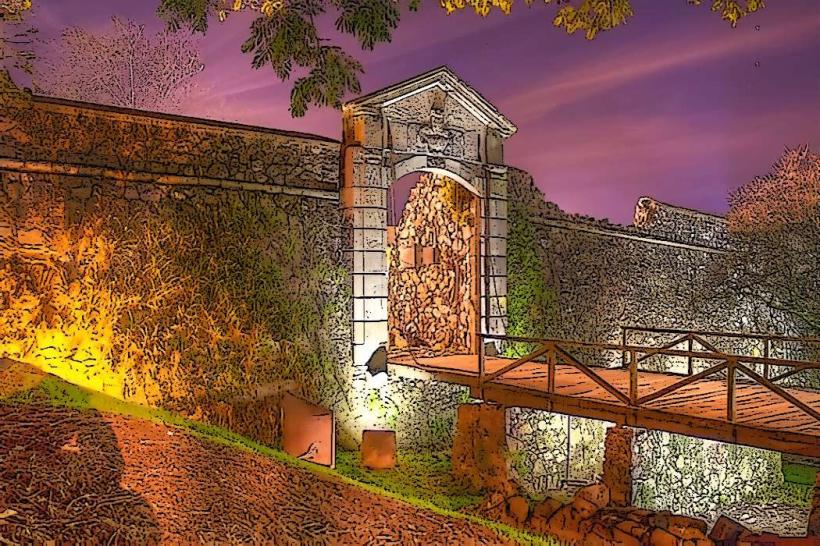
Puerta de la Ciudadela (City Gate): The restored 1745 entrance to the fortified city.
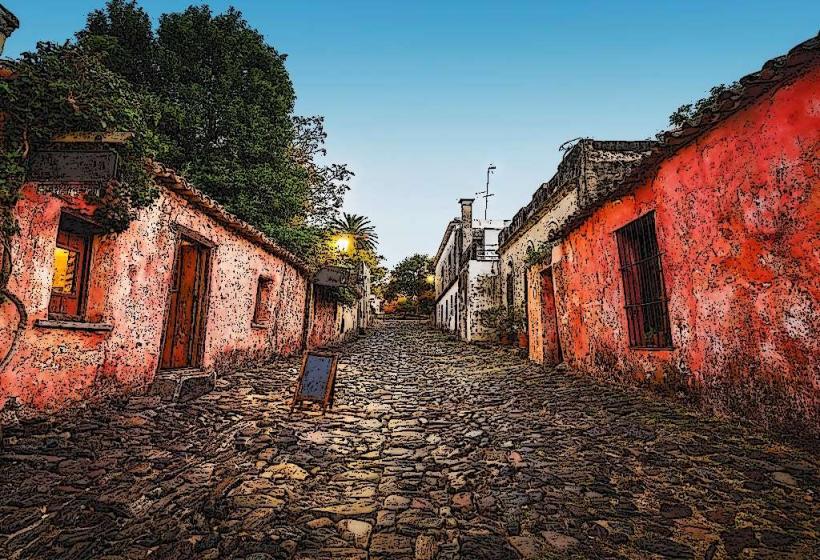
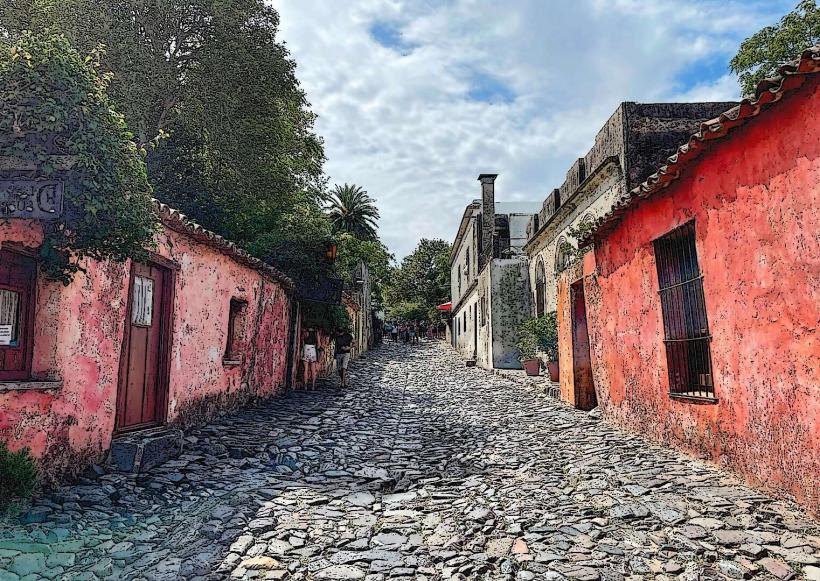
Calle de los Suspiros (Street of Sighs): An iconic 18th-century Portuguese cobblestone street.
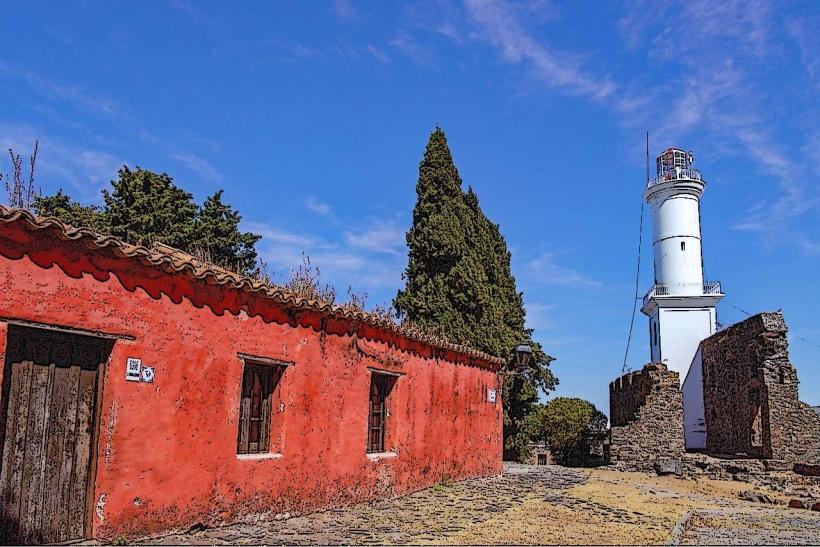
The Lighthouse (El Faro): Built in 1857 atop the ruins of the San Francisco Xavier Convent.
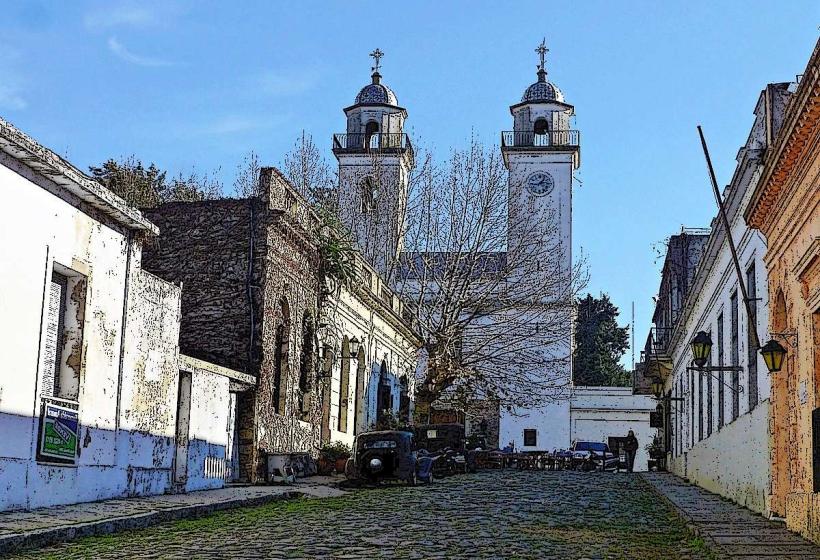
Basilica of the Holy Sacrament: One of the oldest churches in Uruguay, dating back to 1808.
Plaza de Toros Real de San Carlos: A recently restored Moorish-style bullring opened in 1910.
Transportation Network
The city is compact and navigated primarily on foot within the historic quarter. There is no metro or tram system. Local transit consists of small buses connecting to Real de San Carlos. Rental of golf carts and scooters is the primary motorized transport for visitors. Uber and official taxis (white) operate with moderate density. Ferries (Buquebus/Colonia Express) are the critical link for transit to Buenos Aires.
Safety & "Red Zones"
Colonia del Sacramento is one of the safest cities in South America. There are no designated "red zones." Safety risks are limited to occasional petty theft in high-traffic tourist areas. Avoid walking in unlit peripheral industrial areas at night, though the overall risk is negligible.
Digital & Financial Infrastructure
Average internet speed is 80-120 Mbps (Fiber). Main mobile carriers are Antel, Movistar, and Claro. Card acceptance is high in restaurants and hotels, though small artisan shops may require cash. ATMs (RedBROU/Banred) are abundant in the Centro district.
Climate & Air Quality
Temperatures range from 18°C to 30°C in summer (January–February) and 6°C to 15°C in winter (June–August). Air quality is exceptionally high due to the lack of industry and the influence of river breezes. High humidity is a persistent year-round factor.
Culture & Social Norms
Tipping: 10% is the standard in restaurants.
Greeting: A single kiss on the cheek is the standard social greeting.
Pace: The "siesta" is observed; many shops in the Centro district close between 12:00 and 15:00.
Mate: Drinking yerba mate in public spaces and on the Rambla is the primary social activity.
Accommodation Zones
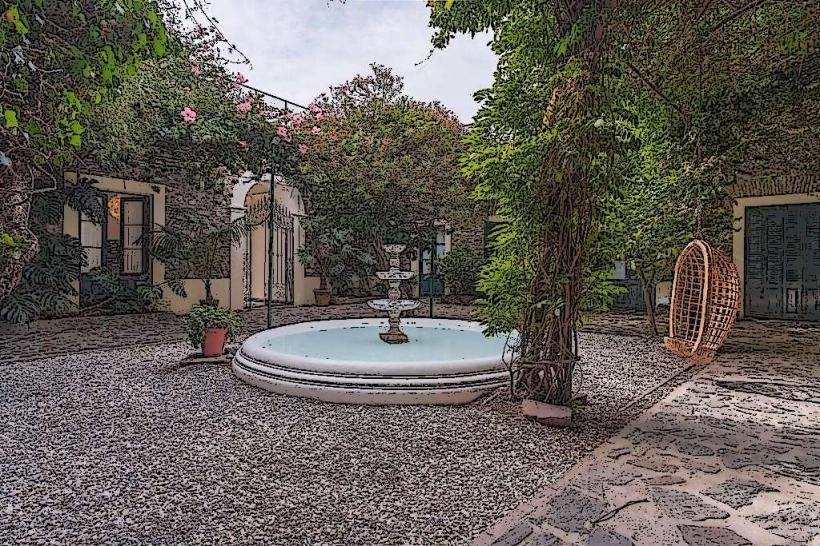
Barrio Histórico: Stay here for boutique heritage hotels and immediate access to landmarks.
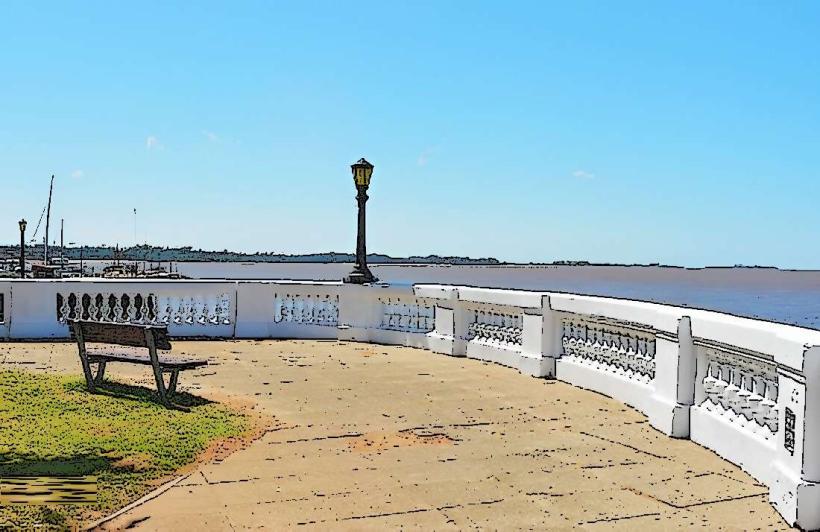
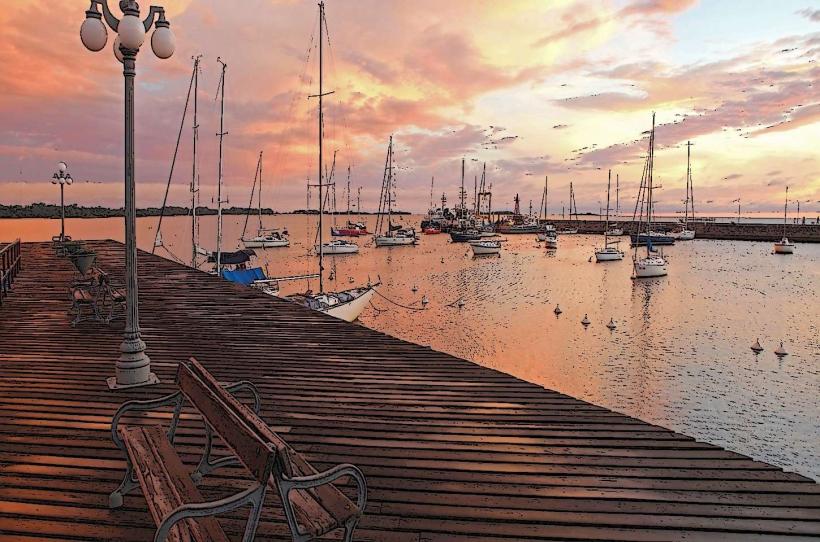
Rambla Costanera: Stay here for modern hotels with river views and sunset access.
Local Cost Index
1 Espresso: 160 UYU ($4.10 USD)
1 Standard Lunch: 600 UYU ($15.30 USD)
1 Ferry Ticket (to Buenos Aires): 2,500 UYU ($64.00 USD)
Nearby Day Trips
Carmelo: 75 km (Winery and river resort town).
Anchorena Park: 30 km (Presidential summer residence and park).
Nueva Helvecia: 55 km (Swiss-heritage colony known for cheese production).
Facts & Legends
A local legend regarding the "Calle de los Suspiros" suggests it was named for the final sighs of prisoners being led to the river, or alternatively, for the sighs of sailors frequenting its historic brothels. A verified historical oddity is that the city’s Lighthouse was partially constructed using the ruins of a 17th-century convent, meaning the structure itself contains the physical layers of three different centuries of colonial history.