Information
City: DuraznoCountry: Uruguay
Continent: South America
Durazno, Uruguay, South America
Durazno serves as the administrative capital of the Durazno Department and is geographically positioned in the exact center of Uruguay. It functions as a critical logistical hub for the country’s agricultural and livestock sectors, situated on the southern banks of the Yi River.
Historical Timeline
The city was founded on October 12, 1821, by Fructuoso Rivera, originally named San Pedro del Durazno. Its governance transitioned from a strategic military outpost to a key political center; it notably served as the capital of the Republic for a brief period in the 19th century. The most significant architectural reconstruction followed several major floods of the Yi River, which led to modern flood-mitigation urban planning. The 1906 elevation to city status and the mid-20th-century development of hydroelectric power on the nearby Río Negro are the primary events that shaped its current economic stability.
Demographics & Population
The population of the city is approximately 40,300 (2023 Census). The demographics are predominantly of European descent (Spanish and Italian), with a median age of approximately 31.3 years, making it slightly younger than the national average.
Urban Layout & Key Districts
The city is organized on a traditional Spanish colonial grid.
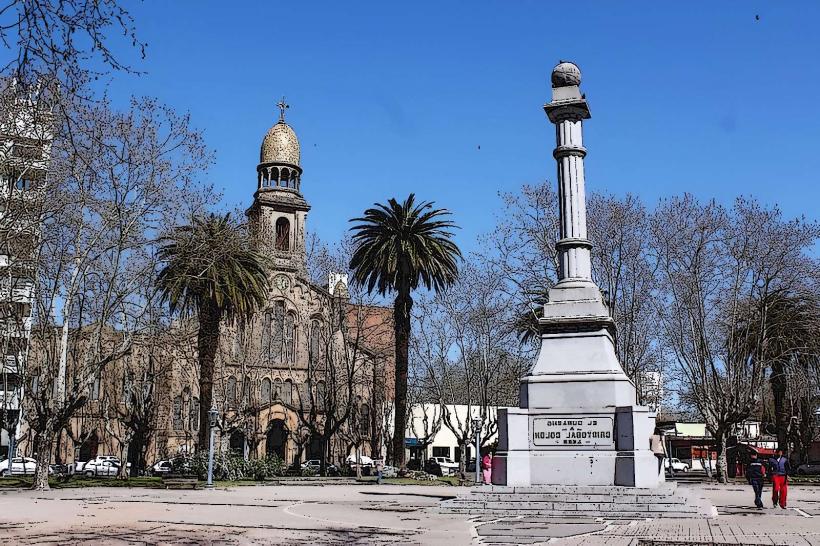
The Historic Core: Centered on Plaza Independencia and the San Pedro Church, containing the primary administrative buildings.
Yi Riverfront: Located to the north, this area features recreational parks and beaches such as Playa El Sauzal.
Santa Bernardina: A district located just across the bridge to the north, housing the regional airport and meat-processing facilities.
Top City Landmarks
Church of San Pedro: Designed by renowned engineer Eladio Dieste, it is an architectural masterpiece of reinforced brick.
Hispanidad Park: A large park on the southern outskirts that hosts the country's most significant folk and rock festivals.
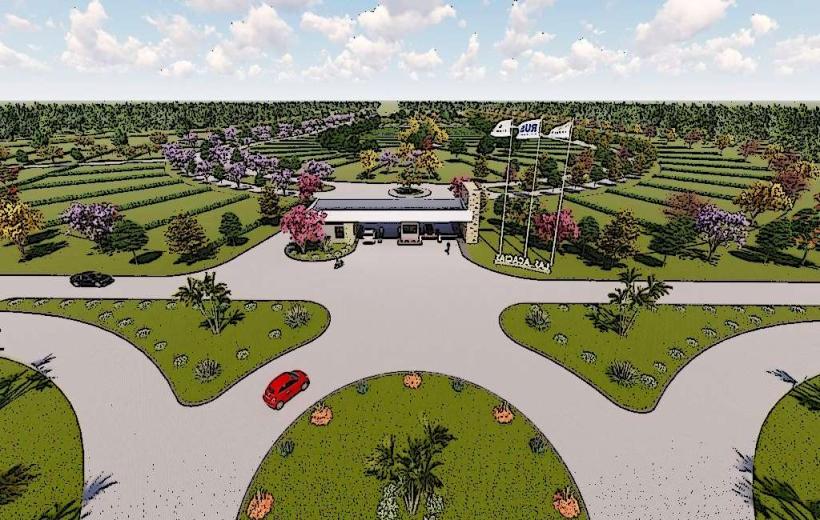
Bioparque Durazno: A modern nature preserve and zoo dedicated to wildlife conservation and education.
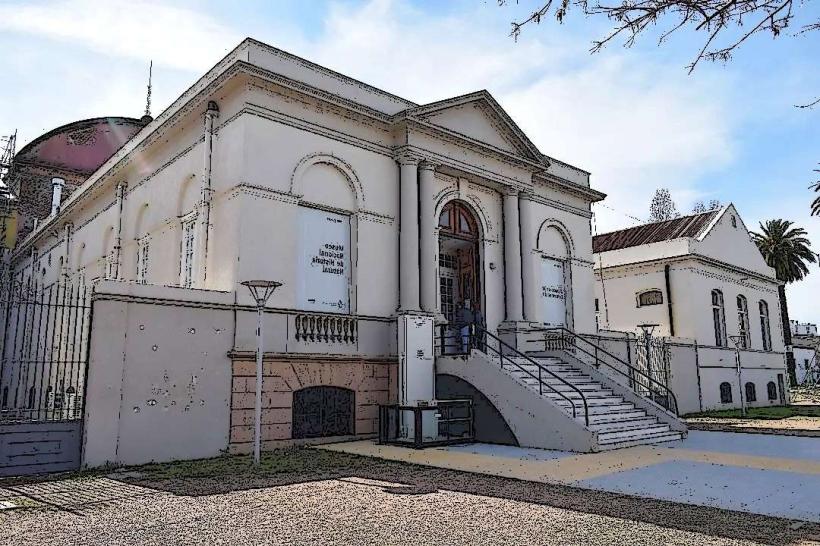
Casa de Rivera Museum: The former home of the city's founder, now housing historical and archaeological exhibits.
San Borja Bridge: The iconic structure connecting the city with the northern region across the Yi River.
Transportation Network
There are no metro or tram systems. Transit is managed through a local bus network and a high density of motorcycles. Long-distance buses at the Terminal de Ómnibus provide frequent services to Montevideo (3-hour journey) and northern departments. Ride-sharing via Uber is very limited; official taxis (white) are the primary on-demand transport. Traffic density is low, though activity peaks during the "Durazno Rock" and "Patria Gaucha" overflow seasons.
Safety & "Red Zones"
Durazno is considered one of the safest departmental capitals in Uruguay. There are no designated "red zones." The primary safety risk is environmental rather than criminal, specifically the rising river levels during periods of heavy rain which can affect the lower-lying riverfront parks. Petty theft is rare but possible during large-scale music festivals in Hispanidad Park.
Digital & Financial Infrastructure
Average internet speed is 80-100 Mbps via Antel fiber. Main mobile carriers are Antel, Movistar, and Claro. Card acceptance is standard in gas stations and supermarkets but lower in local traditional "almacenes." ATMs (RedBROU and Banred) are located in the central commercial district.
Climate & Air Quality
Temperatures range from 18°C to 31°C in summer (December–March) and 6°C to 16°C in winter (June–August). Air quality is exceptionally high due to the surrounding rural landscape. Humidity is high year-round. A specific weather risk is the seasonal flooding of the Yi River, which can occur in autumn or late spring.
Culture & Social Norms
Tipping: 10% is expected in restaurants.
Greeting: A single kiss on the cheek is the standard social greeting.
Dress Code: Casual and conservative; flashy attire is uncommon.
Mate: Public consumption of mate is a cultural pillar, especially along the riverfront in the evenings.
Accommodation Zones
City Center: Recommended for logistical ease and proximity to the Dieste Church and museums.
Santa Bernardina/Riverfront: Recommended for a quieter experience near the parks and river beaches.
Local Cost Index
1 Espresso: 140 UYU ($3.60 USD)
1 Standard Lunch: 450 UYU ($11.50 USD)
1 Bus Ticket (to Montevideo): 550-700 UYU ($14.00-$18.00 USD)
Nearby Day Trips
Trinidad: 40 km (Capital of Flores Department, near the Grutas del Palacio UNESCO site).
Paso de los Toros: 65 km (Riverside town known for the Rincón del Bonete dam).
Florida: 90 km (Historical city known for the Declaration of Independence).
Facts & Legends
A verified historical oddity is that the Church of San Pedro’s roof was rebuilt using Dieste’s "Gaussian vault" technique after a fire, making it a global point of interest for structural engineers. A local legend involves the "Ombú de la Plaza," an ancient tree said to have been a meeting point for revolutionary spies during the war for independence.