City: Gabes
Country: Tunisia
Continent: Africa
Gabes, Tunisia, Africa
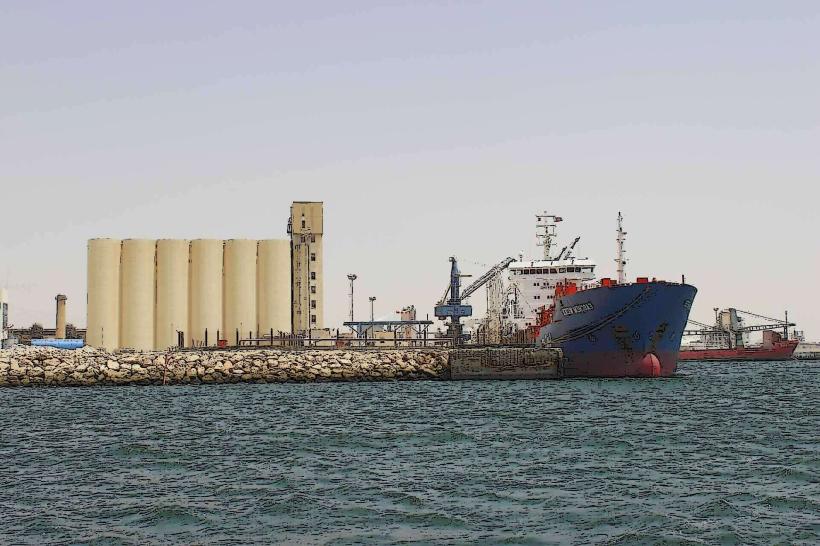
Gabes is a major industrial port and the only coastal oasis in the Mediterranean, located at an elevation of 2 meters on the Gulf of Gabes. It serves as the administrative capital of the Gabes Governorate and is the primary gateway to the Tunisian Sahara.
Historical Timeline
Originally the Punic-Numidian settlement of Tacapae, it became a significant Roman trading hub. Following the 7th-century Arab conquest, the city was revitalized by Sidi Boulbaba, a companion of the Prophet Muhammad, who became the town's patron. During the Middle Ages, Gabes was a "Little Damascus" known for silk weaving and intellectual academies. It served as the headquarters for the German Afrika Korps during WWII before its liberation in 1943. Since the 1970s, it has evolved into a major center for Tunisia's chemical and phosphate industries.
Demographics & Population
The estimated population for 2026 is 110,075. The broader governorate has approximately 400,000 residents. The population is a diverse mix of Arab and Berber (Amazigh) descent, with a historical legacy of trans-Saharan trade that integrated communities of Sub-Saharan African origin into the local social fabric.
Urban Layout & Key Districts
The city is uniquely defined by the intersection of industrial infrastructure and its massive maritime oasis.
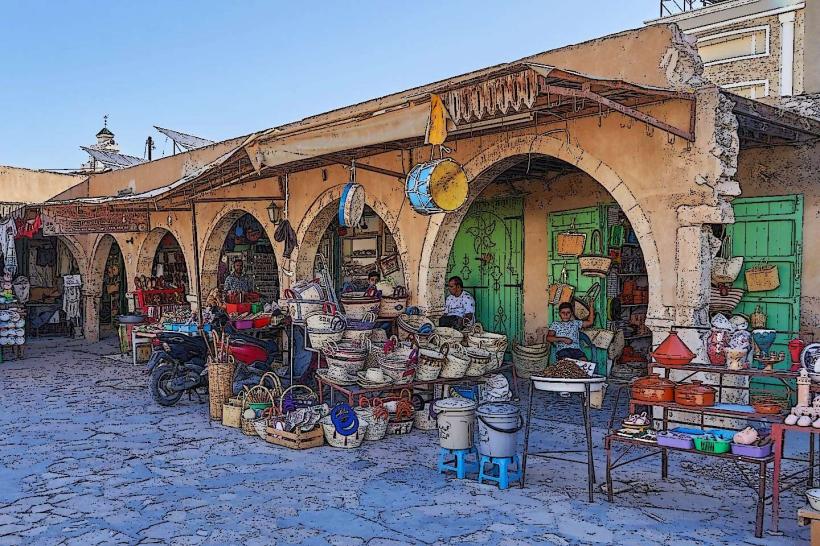
Jara: The historic commercial heart, home to the most famous markets in southern Tunisia.
Menzel: The old residential quarter characterized by traditional architecture and covered passages.
Gabes Medina: The central historic core containing religious and cultural landmarks.
The Industrial Zone (Ghannouch): Located to the north, housing chemical plants, cement works, and oil refineries.
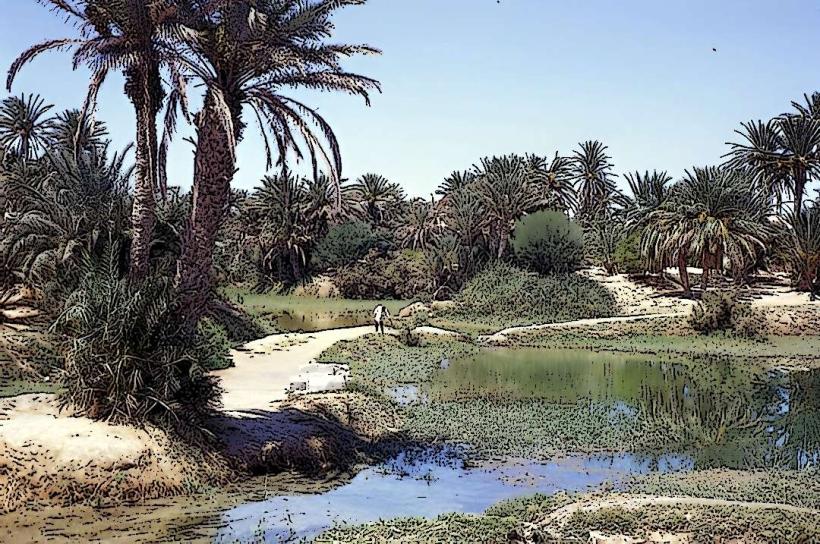
The Maritime Oasis: A 300-hectare palm grove extending to the shoreline, irrigated by the Wadi Qabis.
Top City Landmarks
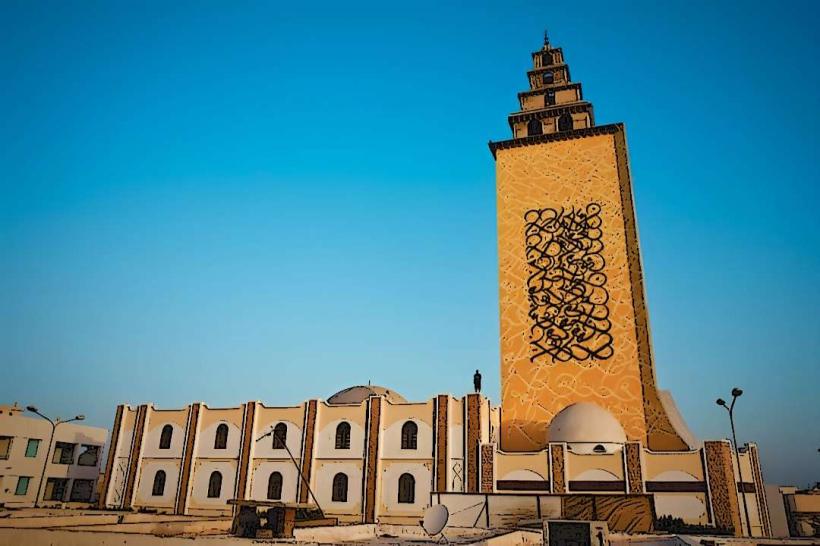
Sidi Boulbaba Mosque & Mausoleum: A major religious site dedicated to the city's patron saint.
The Jara Market: Renowned for spices, incense, and high-quality henna, which is synonymous with the city.
Gabes Maritime Oasis: A UNESCO Tentative List site; the only place in the Mediterranean where palm groves meet the sea.
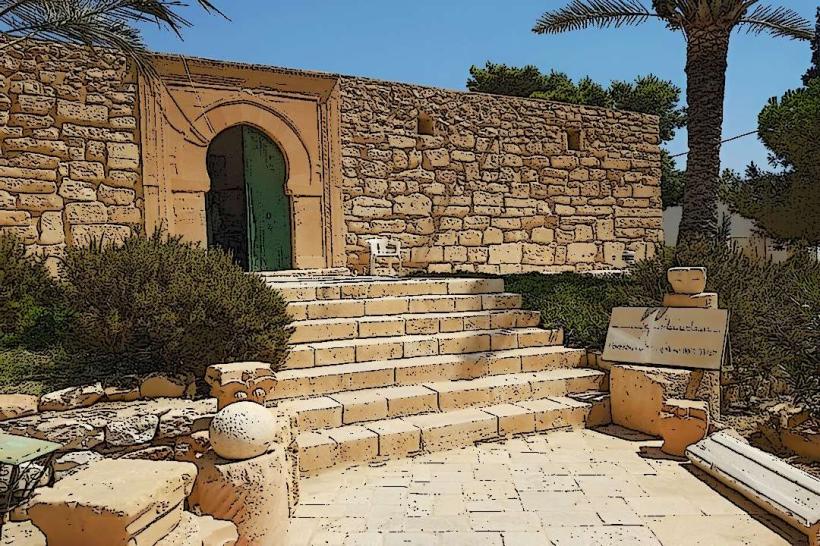
Museum of Arts and Folk Traditions: Housed in an 18th-century madrasa, showcasing regional costumes, jewelry, and nomadic crafts.
Mareth Line Museum: Located 35 km south, preserving WWII fortifications and military history.
Transportation Network
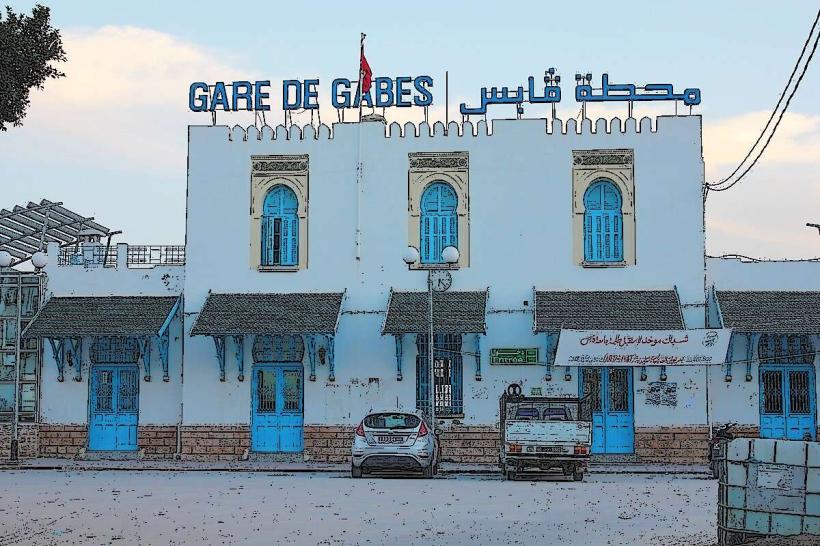
Gabes is a critical transit node for the South. It is the southern terminus of the SNCF national railway line from Tunis and Sfax. Yellow Taxis manage intra-city transit, while the Gabes Coach Station is a hub for Louages (shared taxis) and SNTRI buses connecting to Matmata (40 km), Kebili (115 km), and Medenine (75 km). The A1 Highway provides a direct road link to Tunis (approx. 4 hours).
Safety & "Red Zones"
The safety level is moderate. As of 2026, Tunisian authorities maintain a state of emergency; exercise a high degree of caution due to the threat of terrorism and civil unrest. There are no "red zones" within the city, but travel south of Gabes toward the Libyan border is heavily regulated and restricted.
Digital & Financial Infrastructure
Internet speeds average 25–45 Mbps. Main carriers are Tunisie Telecom, Ooredoo, and Orange. The Tunisian Dinar (TND) is the mandatory currency. ATMs are concentrated in the city center and Jara. Credit card acceptance is limited outside of large hotels and government offices.
Climate & Air Quality
Temperatures range from 8°C in winter to 34°C in summer.
Air Quality Warning: Gabes suffers from significant industrial pollution due to the phosphate processing plants in Ghannouch. Nitrogen dioxide and particulate levels often exceed WHO guidelines, causing visibility issues and respiratory concerns for sensitive groups.
Oasis Microclimate: The palm grove provides a cooler, more humid environment than the surrounding arid plains.
Culture & Social Norms
The culture is conservative and deeply rooted in oasis agriculture and Saharan trade. Gabes is the henna capital of Tunisia; the plant is central to local wedding traditions and medicinal practices. Modest dress is required in religious areas and the old quarters of Menzel. Tipping is standard at 5–10% in cafes.
Accommodation Zones
City Center: Recommended for business travelers and those transiting to the desert.
The Corniche: Home to a few beach hotels and restaurants, though swimming is often discouraged near industrial outlets.
Local Cost Index
1 Espresso: 2.5 TND ($0.80 USD)
1 kg of Gabes Henna: 10 TND ($3.20 USD)
1 Standard Lunch (Grilled Fish/Couscous): 18 TND ($5.75 USD)
Nearby Day Trips
Matmata: 40 km (Star Wars filming site and troglodyte homes).
El Hamma: 30 km (Historic thermal springs and oasis).
Toujane: 55 km (Spectacular mountain Berber village).
Facts & Legends
Gabes is often called "Little Damascus" because of its lush greenery. A local legend says that the pomegranate trees of Gabes produce the sweetest fruit in the world because they are irrigated by the same underground waters that once served the Queen of Sheba. A verified fact: the Gulf of Gabes has the highest tidal range in the Mediterranean (up to 2.5 meters), making it a unique ecological zone for migratory birds like pink flamingos.