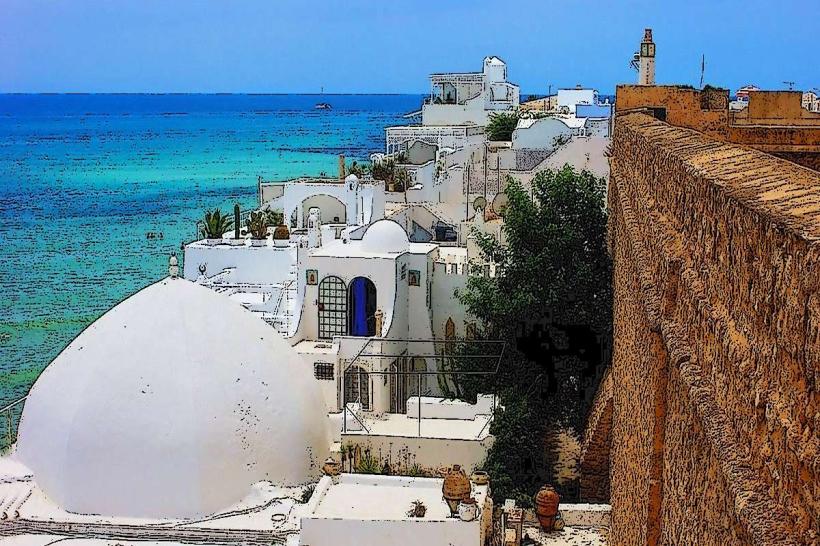
City: Hammamet
Country: Tunisia
Continent: Africa
Hammamet, Tunisia, Africa
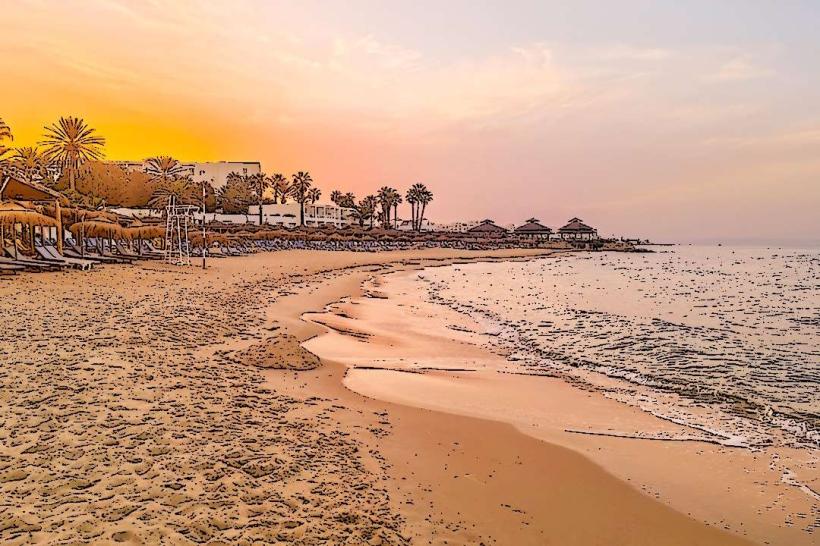
Hammamet is Tunisia’s premier seaside resort, located 65 kilometers southeast of Tunis on the Cap Bon Peninsula. Often called the "Tunisian Saint-Tropez," it is a pivotal center for thalassotherapy and high-end tourism.
Historical Timeline
The city stands near the site of ancient Pupput, a Roman colony that flourished in the 2nd century AD. The modern town grew around its 13th-century Kasbah and 15th-century walls, serving as a defensive bastion against Spanish and pirate raids. In the early 20th century, it was "discovered" by European intellectuals and artists, including Paul Klee and George Sebastian, transforming from a quiet fishing village into an international cultural and resort destination.
Demographics & Population
The estimated metropolitan population for 2026 is 98,500. During the peak summer season (June–August), the effective population swells to over 300,000 due to the influx of domestic and international tourists. The demographic is primarily Arab-Berber, with a significant permanent community of European expatriates.
Urban Layout & Key Districts
The city is divided into three distinct zones:
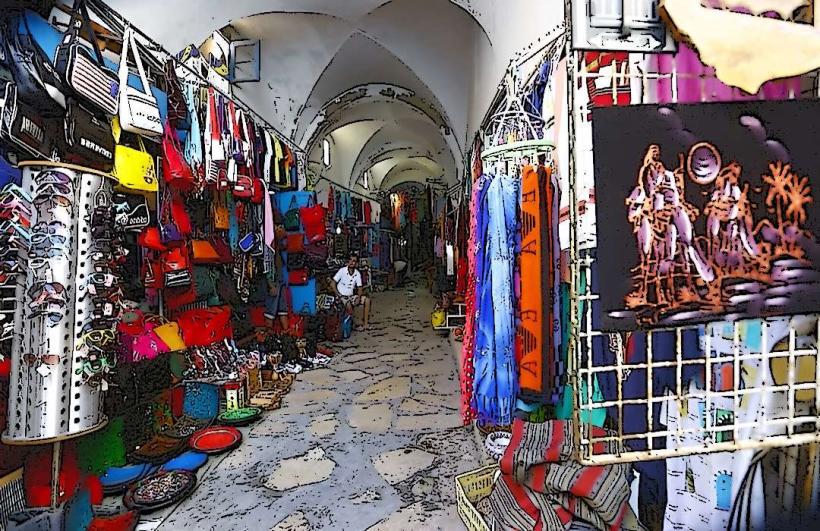
The Medina (Old Town): A compact, walled historic center characterized by white-washed houses with blue doors and narrow, winding alleys.
Hammamet Centre: The modern administrative and commercial heart, located just north of the Medina.
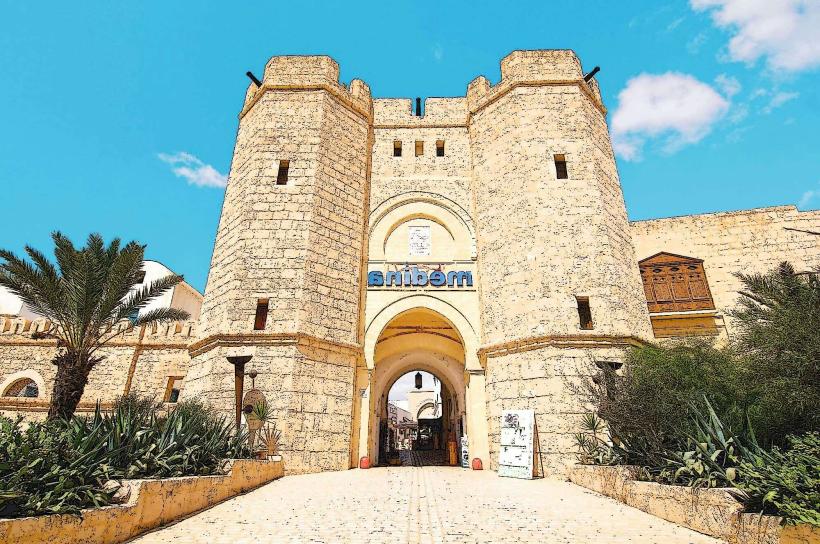
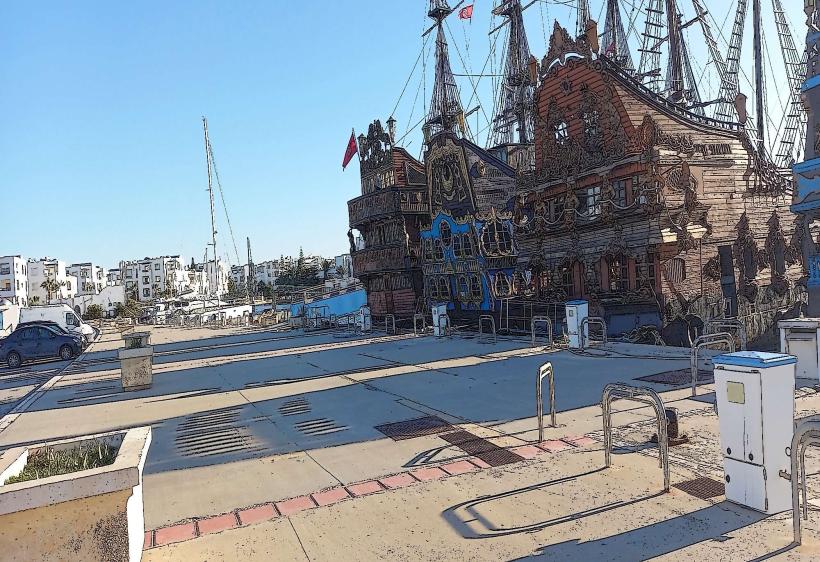
Yasmine Hammamet: A purpose-built tourist district 10 km south of the center, featuring a massive marina, theme parks, and the "Medina Mediterranea" (a modern replica of an Arab city).
Top City Landmarks
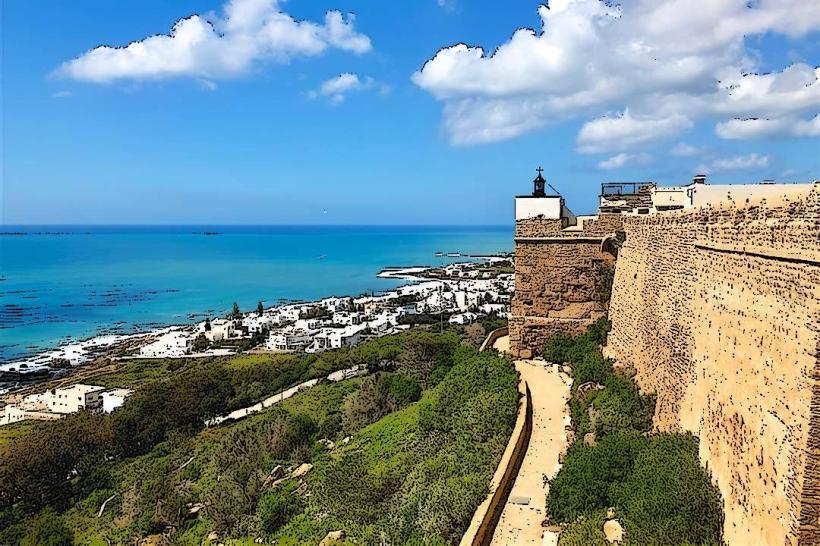
The Kasbah (Hammamet Fort): A 13th-century square fortress offering panoramic views of the Gulf of Hammamet; houses a small museum on the city’s pirate history.
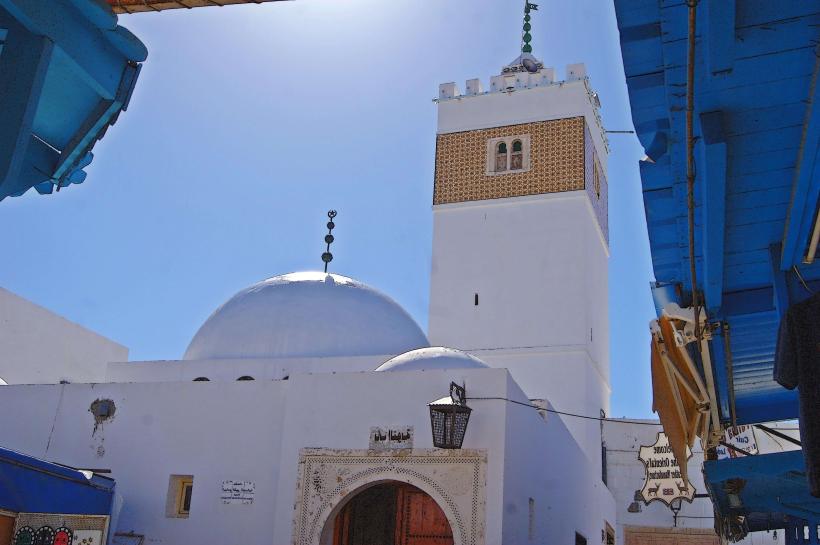
The Great Mosque: A 15th-century structure with a distinctive minaret, located within the Medina walls.
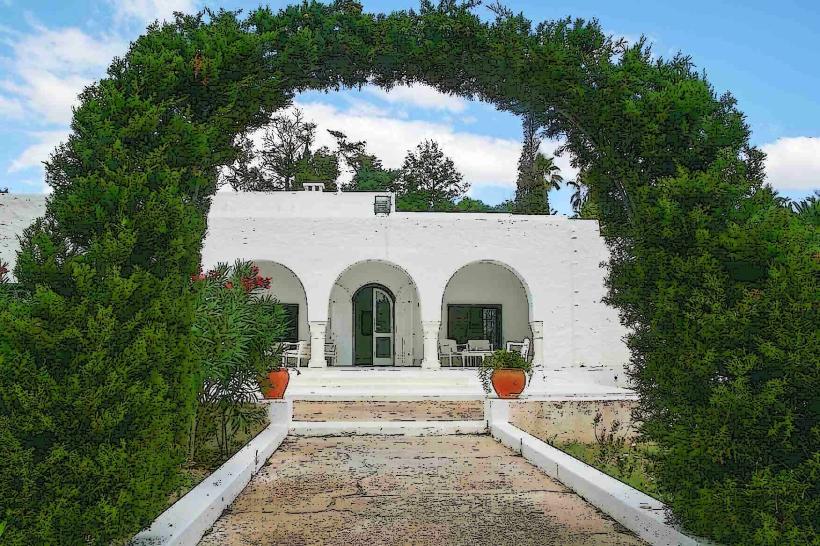
George Sebastian Villa (Dar Sebastien): A 1920s Moorish-style villa and lush botanical garden, now serving as the International Cultural Center.
Pupput Archaeological Site: The remains of the ancient Roman town, including mosaics and a necropolis.
Carthage Land: A major theme park in Yasmine Hammamet inspired by Punic and Carthaginian history.
Transportation Network
Yellow Taxis are the primary mode of intra-city transit. Louages (shared taxis) and SNTRI buses provide frequent links to Tunis and Nabeul. Hammamet is served by two train stations: Hammamet (Central) and Bir Bouregba (a major junction on the national line). Most international travelers arrive via Enfidha–Hammamet International Airport (NBE), 40 km to the west.
Safety & "Red Zones"
The safety level is generally high, with a permanent security presence in the tourist zones and hotels. Petty crime, such as pickpocketing and overcharging in the souks, is the main concern. There are no "red zones" in Hammamet, but travelers should exercise caution in crowded areas during demonstrations and avoid unlit beach areas late at night.
Digital & Financial Infrastructure
Internet speeds average 30–55 Mbps. Main carriers are Tunisie Telecom, Ooredoo, and Orange. The Tunisian Dinar (TND) is the sole legal currency. ATMs are ubiquitous in the city center and Yasmine Hammamet. Credit card acceptance is high in resorts and modern shopping centers but minimal in the Medina.
Climate & Air Quality
Temperatures range from 8°C in winter to 34°C in summer. The climate is Mediterranean with mild, rainy winters and hot, dry summers. Air quality is excellent, benefited by the lack of heavy industry and consistent sea breezes. Significant weather risks include extreme UV levels in summer and occasional autumn storms that can cause localized flooding.
Culture & Social Norms
Hammamet is the most liberal city in Tunisia. Beachwear is standard in resorts, but modest dress (covering shoulders and knees) is required when entering the Medina or religious sites. Tipping is customary at 5–10% in sit-down restaurants.
Accommodation Zones
Hammamet Nord: Recommended for luxury, quiet beach resorts and spa stays.
Yasmine Hammamet: Recommended for families, nightlife, and proximity to the marina and theme parks.
The Medina: Recommended for boutique guesthouses (Dars) for an authentic historic experience.
Local Cost Index
1 Espresso: 3.5 TND ($1.15 USD)
1 Standard Lunch (Seafood platter): 30 TND ($9.70 USD)
1 Entry to the Kasbah: 8 TND ($2.60 USD)
Nearby Day Trips
Nabeul: 12 km (Famous for ceramics and the Friday market).
Zaghouan: 50 km (Water Temple and Roman aqueduct).
Friguia Park: 30 km (Large wildlife park and dolphinarium).
Facts & Legends
Hammamet is known as the "Garden City" due to its lush citrus and jasmine groves. A local legend claims that the city’s name (meaning "The Baths") refers to the discovery of miraculous healing springs by a Roman soldier. A verified historical fact: during WWII, General Rommel established his headquarters in the George Sebastian Villa, which Winston Churchill later described as one of the most beautiful houses he had ever seen.