City: Ibadan
Country: Nigeria
Continent: Africa
Ibadan, Nigeria, Africa
Ibadan serves as the administrative capital of Oyo State and functions as a primary transit hub between the Lagos ports and Northern Nigeria. It is located in southwestern Nigeria, situated on seven distinct hills and surrounded by the tropical rainforest zone.
Historical Timeline
Ibadan was established in 1829 as a war camp for soldiers fleeing the collapse of the Old Oyo Empire. It transitioned through a military republic phase (1829–1893), British colonial administration, and became the capital of the Western Region in 1946. The city underwent its most significant architectural reconstruction following the Great Flood of 1980, which led to the "Ogunpa Channelization Project." The primary event shaping the urban form was the 1901 arrival of the railway, which shifted the commercial center from the historic hills to the plains.
Demographics & Population
The metropolitan population is approximately 3,900,000 as of 2026. The demographic is overwhelmingly Yoruba (90%+), followed by significant Igbo and Hausa minorities. The median age is 18.8 years.
Urban Layout & Key Districts
The city is organized by a vast, un-gridded sprawl surrounding the historic core. Key districts include Bodija (North), the primary upper-middle-class residential and commercial hub; Jericho (West), a quiet, high-end colonial-era layout; and Dugbe (Central), the traditional business district and rail node.
Top City Landmarks
Cocoa House (First skyscraper in West Africa)
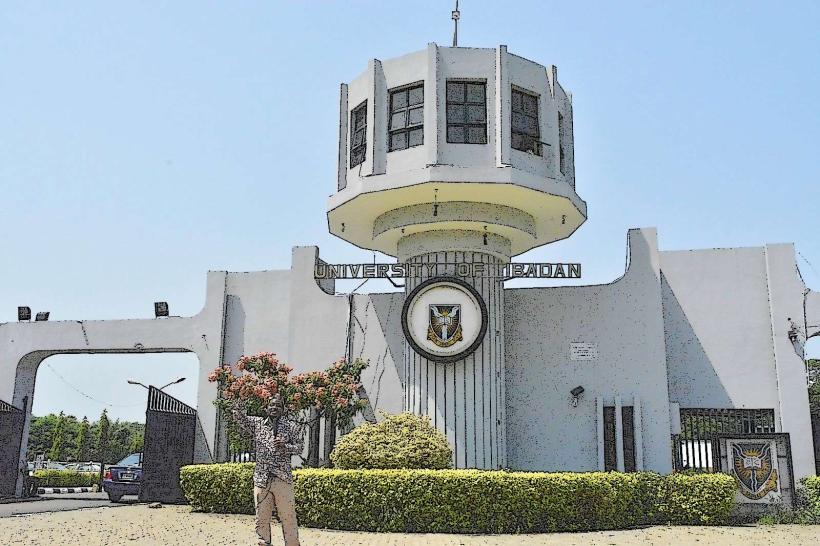
University of Ibadan (First university in Nigeria)
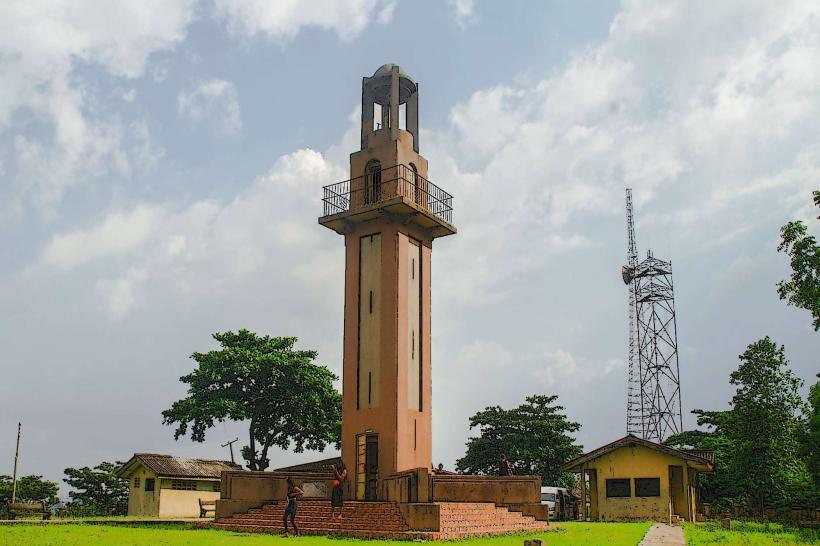
Bower’s Tower (Summit of Oke-Are hill)
Mapo Hall (Colonial-style city hall)
Transportation Network
Internal movement relies on a dense network of "Micra" taxis (small Nissan cars) and "Keke" (tricycles). The Lagos-Ibadan Standard Gauge Railway provides high-speed links to Lagos. Ride-sharing is dominated by Bolt and Uber. Official taxis are painted yellow and maroon. Traffic density is extreme at the "Challenge," "Iwo Road," and "Dugbe" intersections.
Safety & "Red Zones"
The general safety level is moderate. Areas such as Beere, Molete, and Ojoo should be avoided at night due to occasional political thuggery and petty theft. "One-chance" robbery scams exist; use only verified ride-hailing apps or branded taxis.
Digital & Financial Infrastructure
Average internet speeds range from 30 to 55 Mbps on 4G/5G networks. Main carriers are MTN, Airtel, and Glo. Card acceptance is high in Bodija and Ring Road districts; cash is essential in traditional markets like Oja’ba. ATMs are concentrated along the Challenge-Ibari axis.
Climate & Air Quality
Temperatures range from 21°C to 34°C. The city has a tropical wet and dry climate with a heavy monsoon period from June to September. Air quality is often compromised by vehicle emissions in high-traffic corridors and smoke from localized refuse burning.
Culture & Social Norms
Tipping is voluntary but common (5–10%). Prostration or bowing is the traditional Yoruba greeting for elders. Dress code is varied but tends toward conservative-traditional for formal events. Alcohol is widely available in "Beer Parlors" and clubs, though smoking in government buildings is prohibited.
Accommodation Zones
Bodija: Recommended for central access, nightlife, and a high density of restaurants.
Iyaganku GRA: Recommended for security, quiet, and proximity to the High Court and administrative offices.
Local Cost Index
1 Espresso: ₦4,000 ($2.65)
1 Standard Lunch: ₦10,000 ($6.60)
1 Metro/Bus Ticket: ₦700 ($0.45) - Micra taxi/Keke rate.
Nearby Day Trips
Ado-Awaye Suspended Lake: 85 km (100 minutes)
Old Oyo National Park: 130 km (150 minutes)
IITA Forest Reserve: Within city limits (North Ibadan)
Ikogosi Warm Springs: 160 km (180 minutes)
Facts & Legends
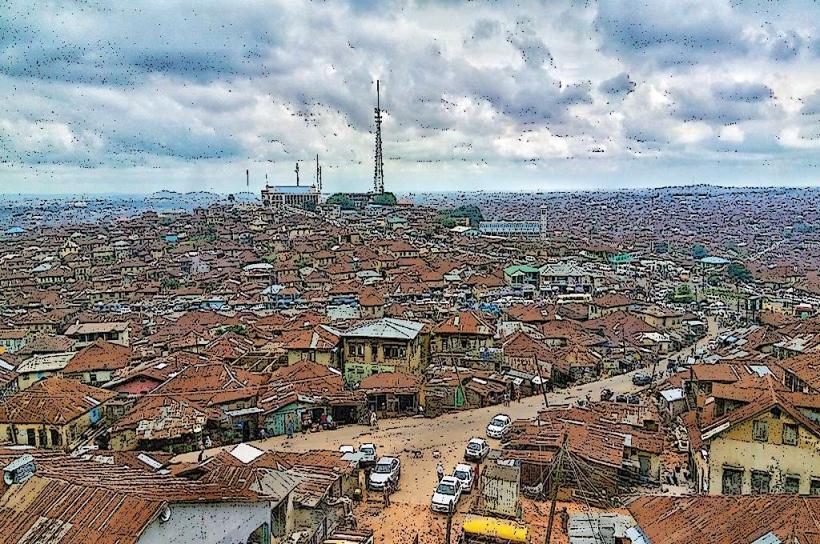
Ibadan is known as the "City of Brown Roofs," a term popularized by poet J.P. Clark to describe the vast expanse of rusted corrugated iron sheets covering the old city. Local legend claims the city is protected by the spirit of "Ogunpa," a deity associated with the river that runs through the city, which is said to reclaim its territory whenever the city becomes too congested.