City: Nabeul
Country: Tunisia
Continent: Africa
Nabeul, Tunisia, Africa
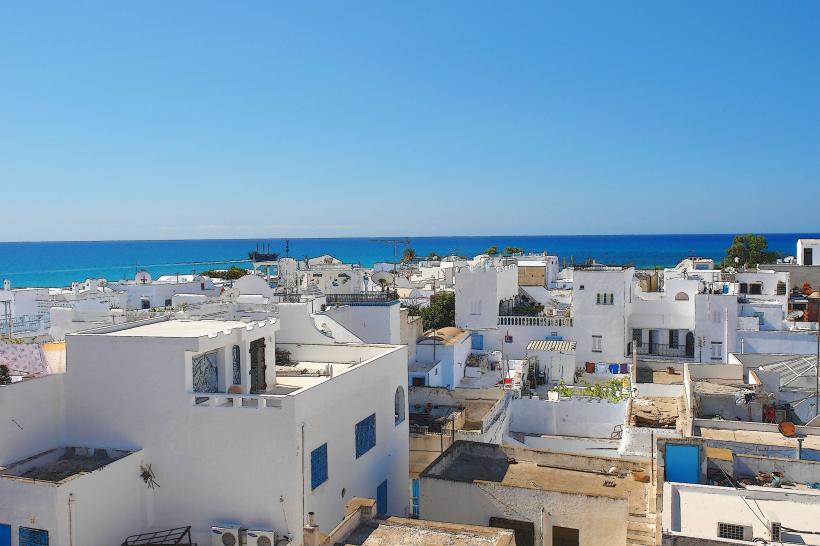
Nabeul is the administrative capital of the Cap Bon Peninsula and Tunisia’s primary center for artisanal ceramics. Situated at an elevation of 4 meters on the Gulf of Hammamet, it is approximately 65 kilometers southeast of Tunis.
Historical Timeline
Nabeul was founded as the Greek colony of Neapolis ("New City") in the 5th century BC, later becoming a prosperous Roman trade hub famous for the production of garum (fermented fish sauce). In the 13th century, the city was rebuilt near the ancient ruins following the Arab conquest. Its modern identity was defined in the early 20th century when it became the first seaside resort in Tunisia, eventually evolving into a major industrial center for pottery, perfumes (orange blossom), and viticulture.
Demographics & Population
The estimated population for 2026 is 85,000 (metropolitan area approx. 175,000). The population is predominantly Arab-Berber, with a significant community of European expatriates and retirees. The median age is approximately 32.2 years.
Urban Layout & Key Districts
The city is organized between its historic center and the coastal tourist strip.
The Medina: A traditional core focused on artisanal workshops and the central souk.
The Artisanal Village: Located on the outskirts, designed specifically for large-scale pottery production and showrooms.
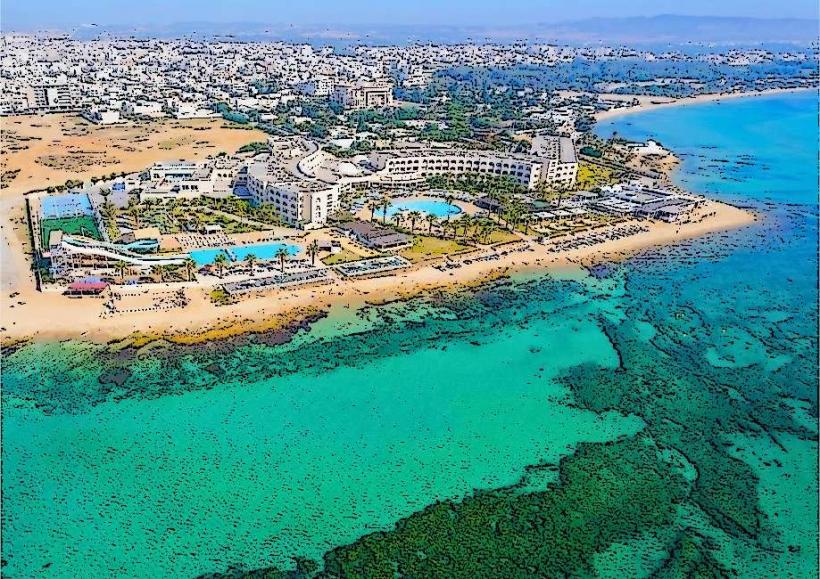
Zone Touristique: A stretch of beachfront to the south housing mid-to-high-range hotels.
Avenue Habib Bourguiba: The main commercial artery connecting the city center to the coast.
Top City Landmarks
The Neapolis Archaeological Site: Roman ruins featuring the remains of a 4th-century garum factory and mosaic-floored villas.
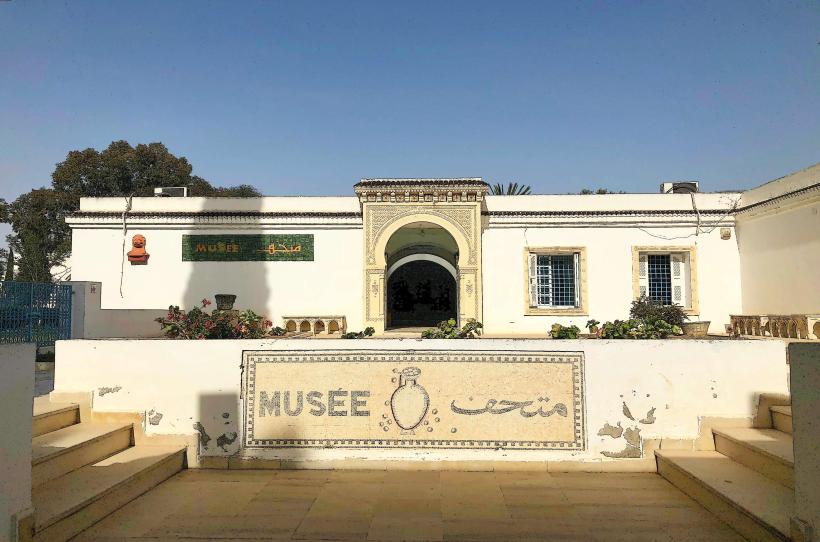
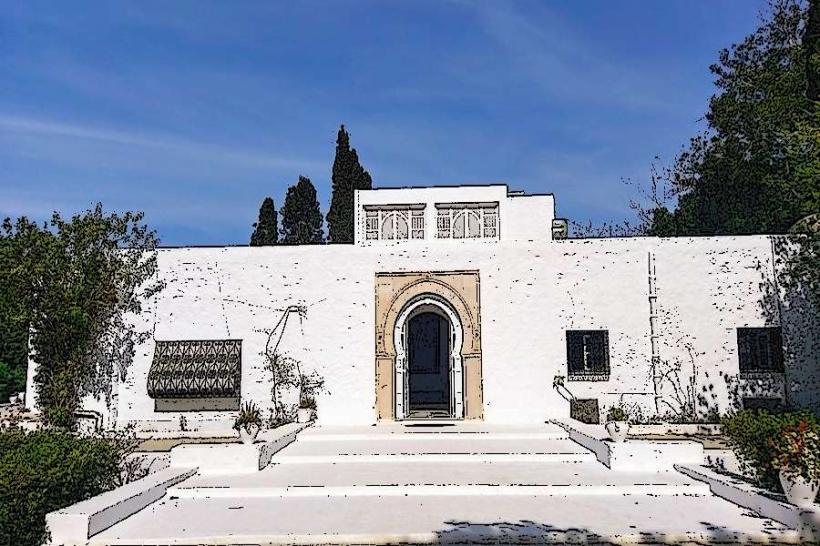
Nabeul Archaeological Museum: Houses a refined collection of Punic and Roman artifacts found across the Cap Bon region.
The Giant Pottery Jar: A landmark sculpture at the city entrance representing Nabeul’s ceramic heritage.
Friday Market (Souk el-Juma): One of Tunisia's most famous weekly markets, selling everything from livestock to hand-woven linens and pottery.
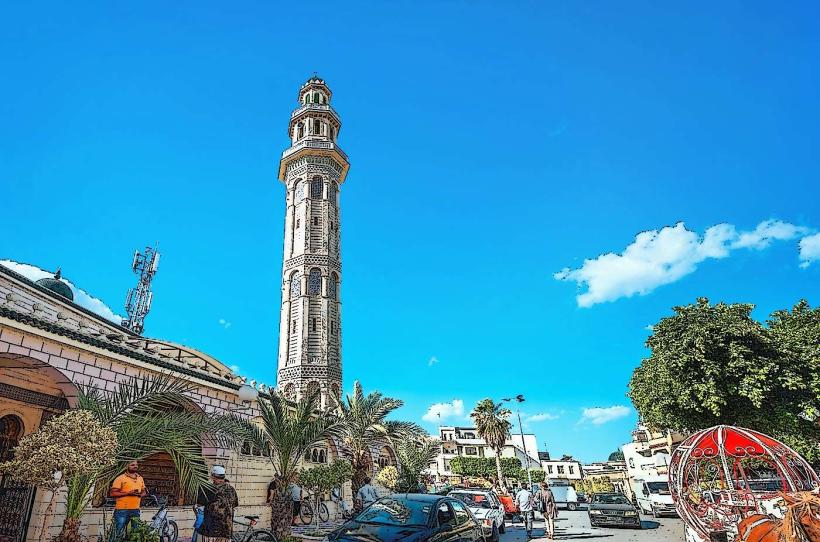
Great Mosque of Nabeul: Noted for its distinctive yellow-and-white minaret and traditional architecture.
Transportation Network
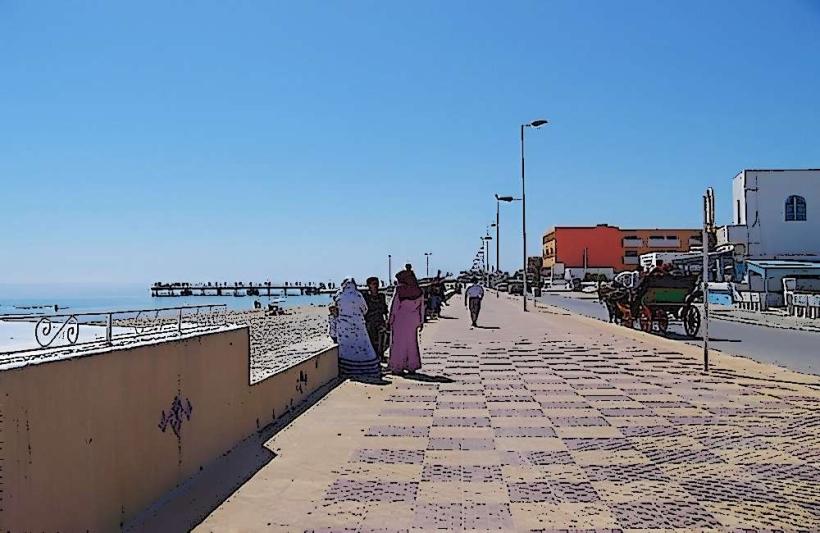
Intra-city transit is managed by Yellow Taxis and Tuk-tuks (seasonal). Nabeul is the terminus of a branch of the SNCF national railway connected to Bir Bouregba and Tunis. Louages (shared taxis) provide frequent service to Hammamet (12 km) and Tunis. The city is highly walkable in the central and coastal zones.
Safety & "Red Zones"
The safety level is high. Nabeul is known for its relaxed, family-friendly atmosphere. Petty theft is rare but can occur during the crowded Friday Market. There are no "red zones." Traffic congestion is significant on weekends and during the summer peak.
Digital & Financial Infrastructure
Internet speeds average 30–50 Mbps. Main carriers are Tunisie Telecom, Ooredoo, and Orange. The Tunisian Dinar (TND) is the sole legal currency. ATMs are abundant along Avenue Habib Bourguiba and near the Medina entrance. Credit card acceptance is common in hotels and large ceramic showrooms.
Climate & Air Quality
Temperatures range from 9°C in winter to 31°C in summer. The climate is Mediterranean with high humidity. Air quality is exceptional, often scented with orange blossoms during the spring harvest (April). Significant weather risks include localized flash flooding during heavy autumn rains.
Culture & Social Norms
Nabeul is the Pottery Capital of Tunisia. It is also famous for the "Leilet el-Kader" festival and the production of Harissa (chili paste) and flower essences. Social norms are moderately liberal, but modest dress is expected when visiting the Medina. Tipping is standard at 5–10% in cafes and restaurants.
Accommodation Zones
The Corniche: Recommended for beach access and proximity to nightlife in nearby Hammamet.
City Center: Recommended for authentic stays in traditional guesthouses near the souks.
Local Cost Index
1 Espresso: 3 TND ($1.00 USD)
1 Hand-painted Ceramic Plate: 15–40 TND ($5–13 USD)
1 Standard Lunch (Seafood/Harissa-based dish): 20 TND ($6.50 USD)
Nearby Day Trips
Hammamet: 12 km (Fortified Medina and international nightlife).
Kerkouane: 60 km (The world’s only preserved Punic city, a UNESCO site).
Kelibia: 55 km (Massive Byzantine fort and white sand beaches).
Facts & Legends
Nabeul is nicknamed the "City of Oranges." A local legend says that the recipe for Nabeul’s famous distilled orange blossom water was brought by Andalusian refugees who planted the first trees in the 17th century. A verified historical oddity: in 365 AD, a massive tsunami destroyed a large portion of Roman Neapolis, submerging several hectares of the city that remain visible to divers today.