City: Petra
Country: Jordan
Continent: Asia
Petra, Jordan, Asia
Petra (Raqmu) is a historical and archaeological city in southern Jordan, serving as the capital of the Nabataean Kingdom from the 4th century BC. Known as the "Rose City" due to the color of the stone from which it is carved, it is a UNESCO World Heritage site and one of the New Seven Wonders of the World.
Historical Timeline
Established as early as the 4th century BC by the Nabataeans, a nomadic Arab people, Petra became a major regional nexus for the silk and spice trade routes linking China, India, and Southern Arabia with Egypt, Greece, and Rome. It was annexed by the Roman Empire in 106 AD. Following a series of severe earthquakes (notably in 363 AD) and changes in trade routes, the city declined and was eventually abandoned. It remained unknown to the Western world until 1812, when it was rediscovered by Swiss explorer Johann Ludwig Burckhardt.
Urban Layout & Navigation
The site is situated within a basin among the mountains of Wadi Musa.
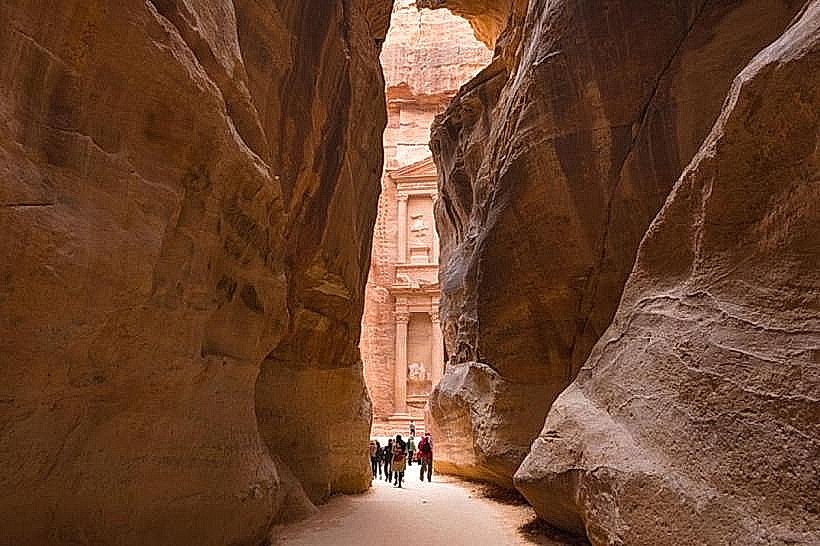
The Siq: A narrow gorge (approx. 1.2 km long) serving as the main entrance, flanked by 80-meter-high cliffs.
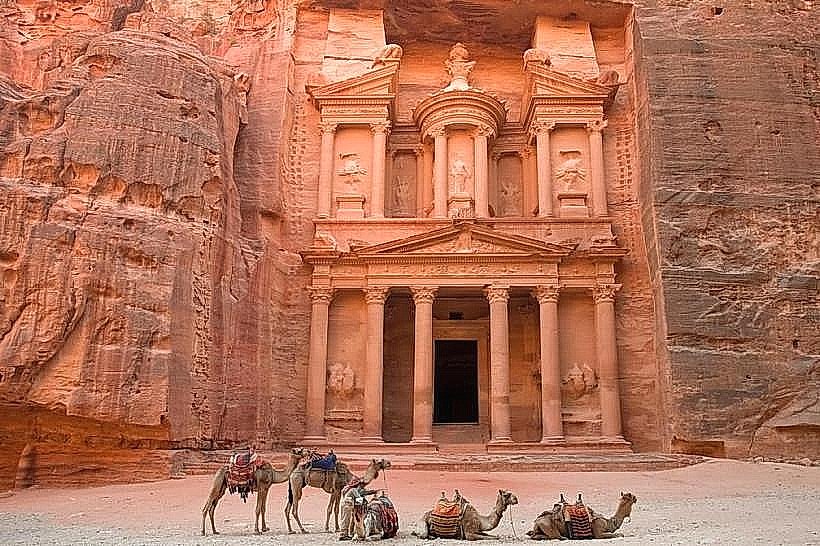
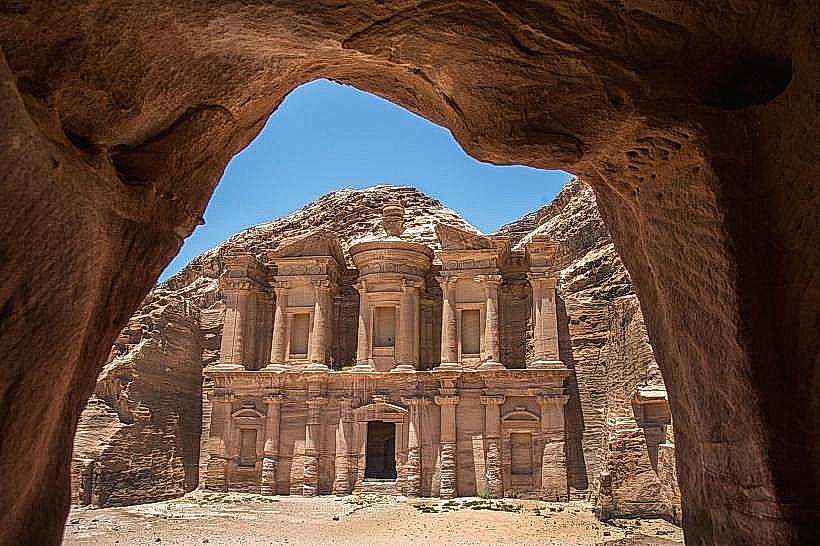
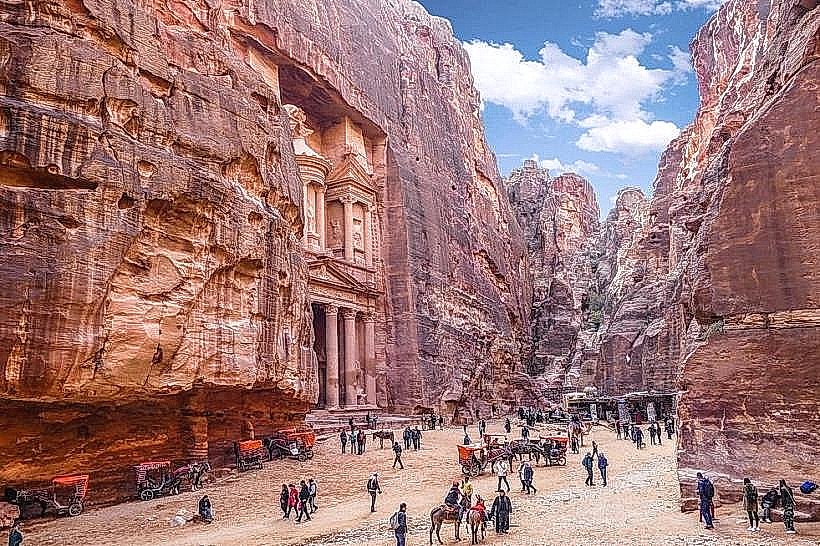
The Treasury (Al-Khazneh): The first major monument visible upon exiting the Siq.
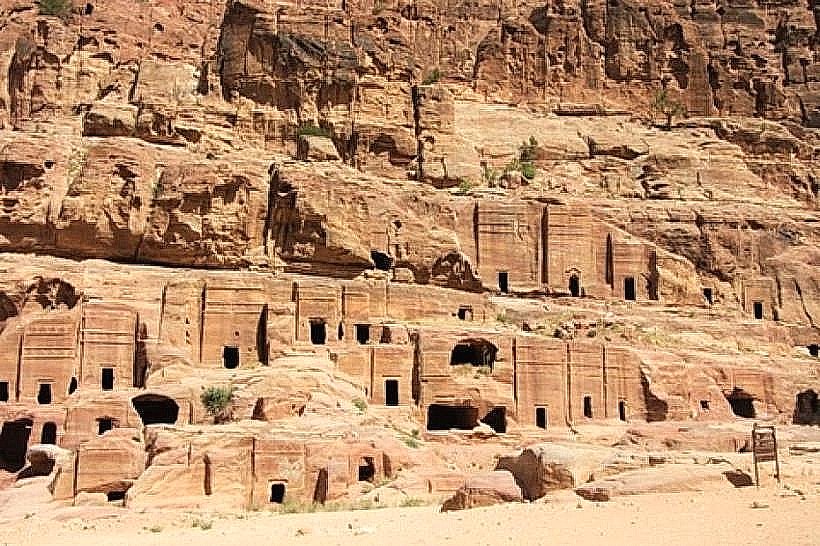
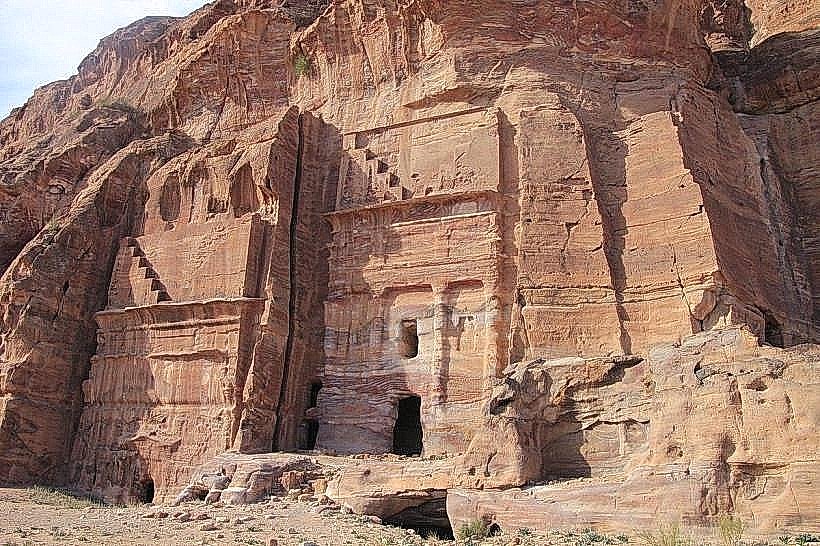
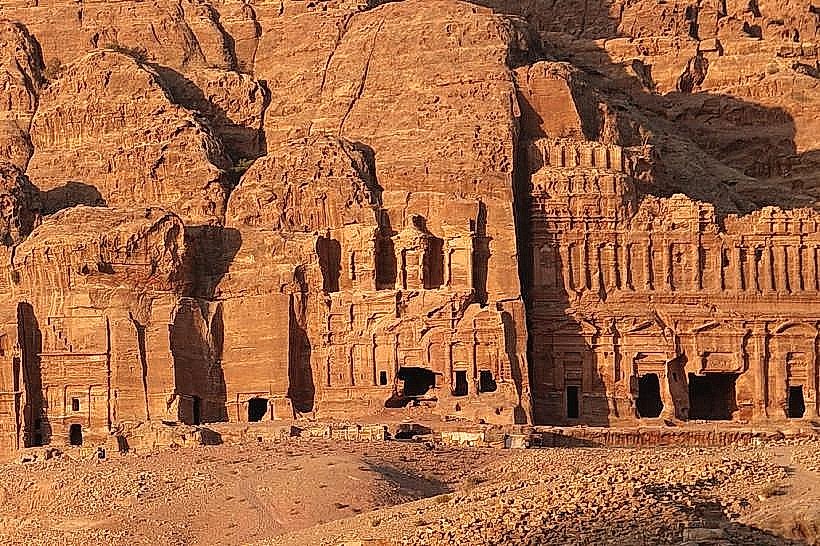
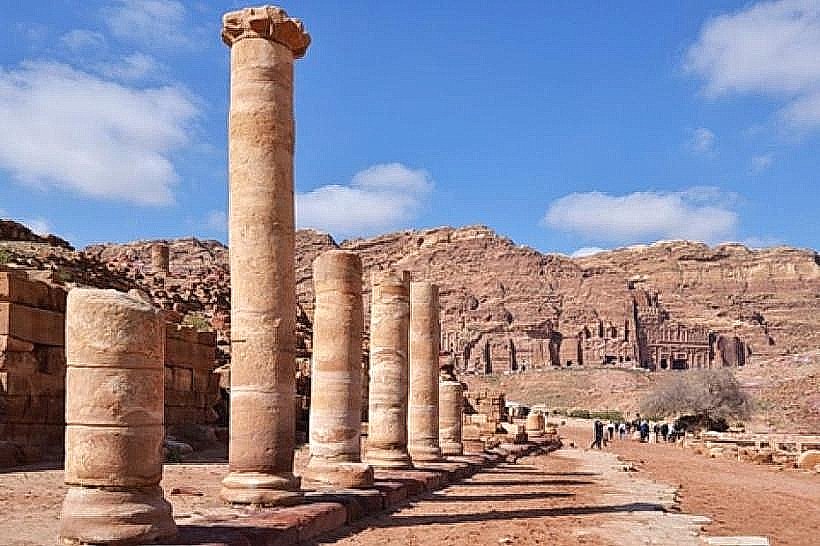
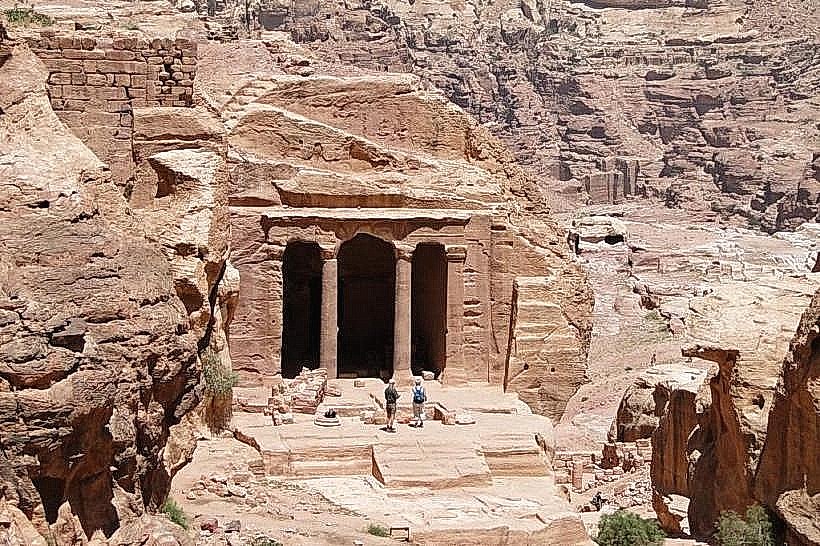
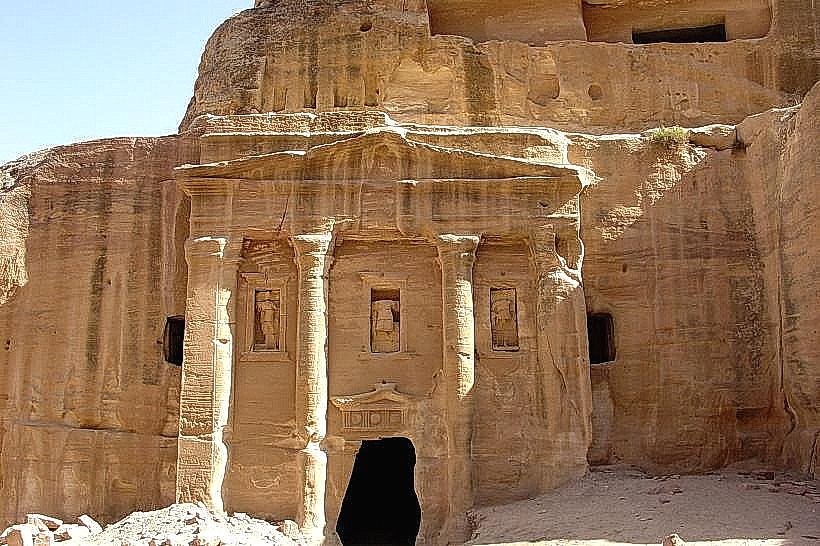
Street of Facades: A row of monumental Nabataean tombs carved into the southern cliff face.
The Theater: A Greco-Roman style theater capable of seating 4,000 to 8,500 spectators.
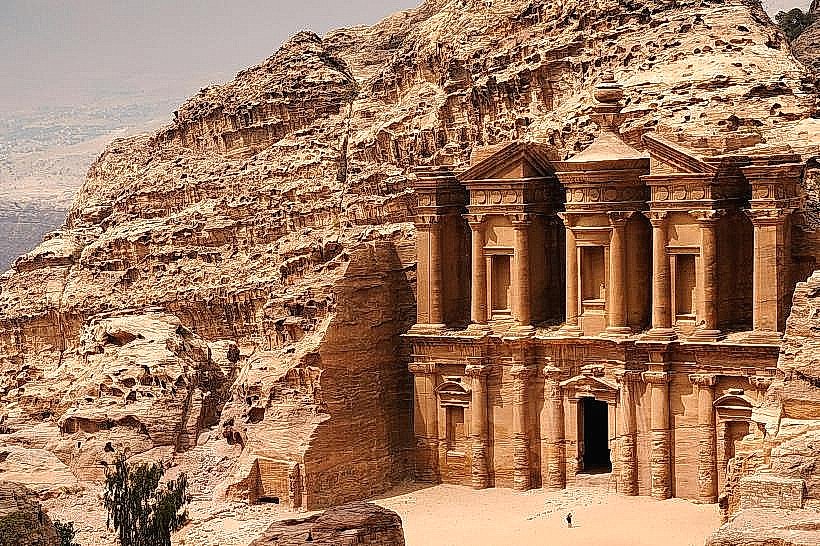
The Monastery (Ad Deir): One of the largest monuments, located high in the mountains (accessible via 800+ rock-cut steps).
Top Landmarks
Al-Khazneh (The Treasury): An elaborately carved tomb facade, iconic for its Hellenistic architecture.
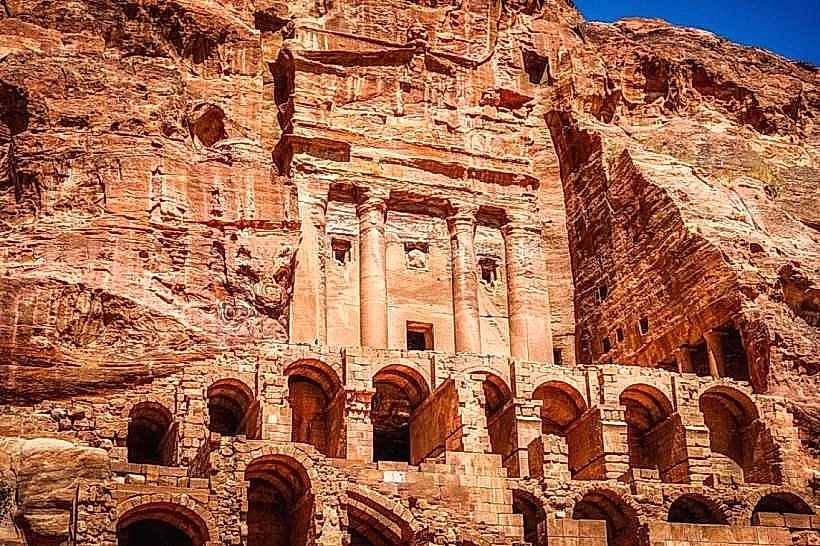
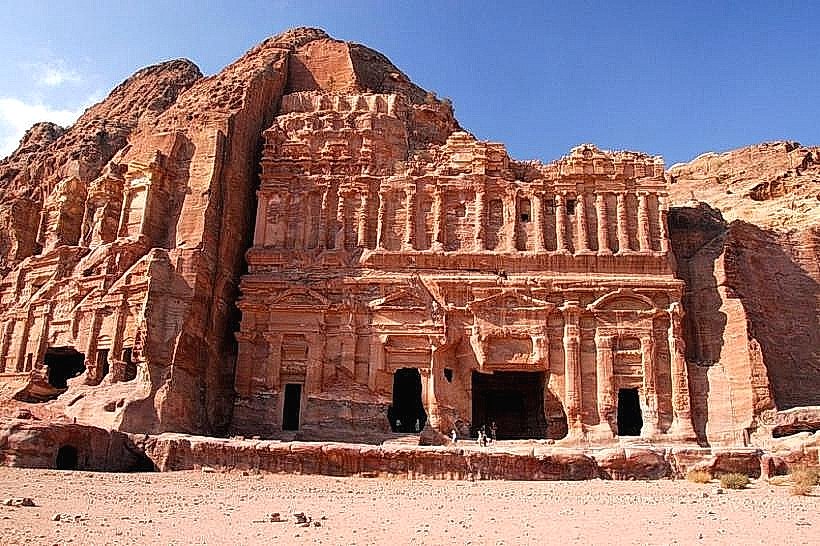
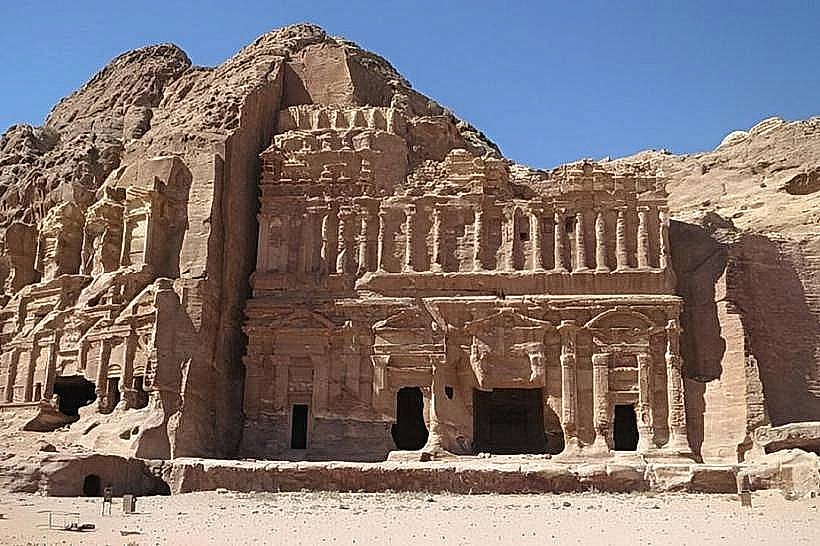
The Royal Tombs: A series of large, ornate burial chambers including the Urn Tomb and the Palace Tomb.
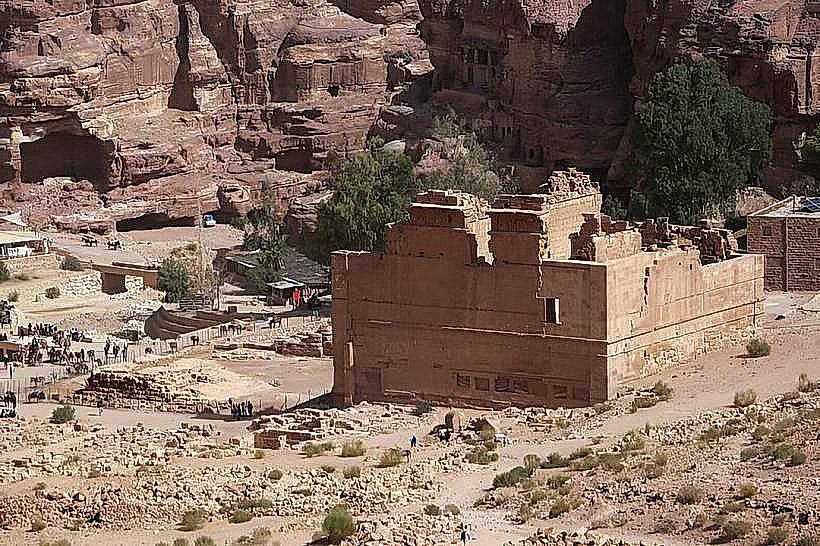
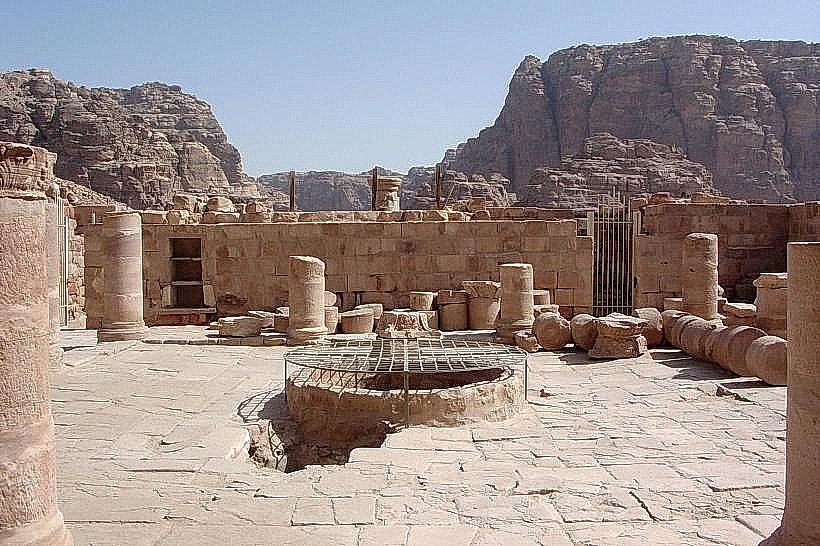
The Great Temple: A massive Nabataean religious and administrative complex in the city center.
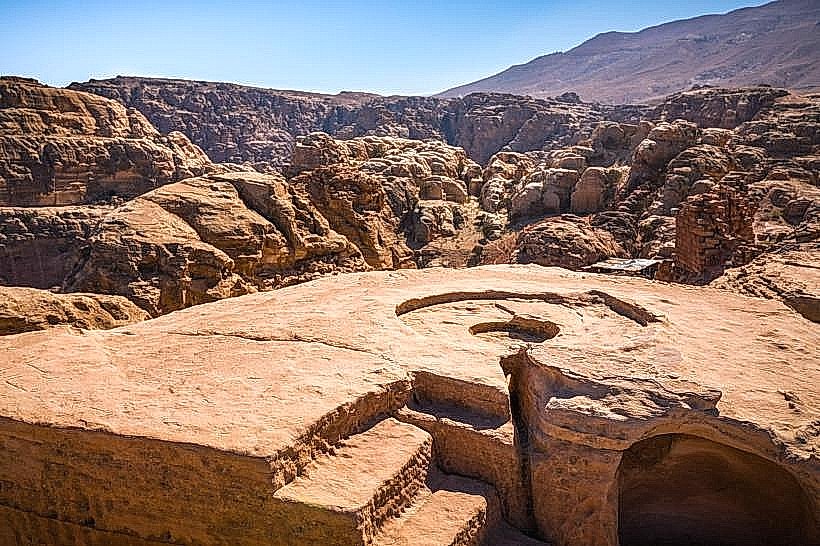
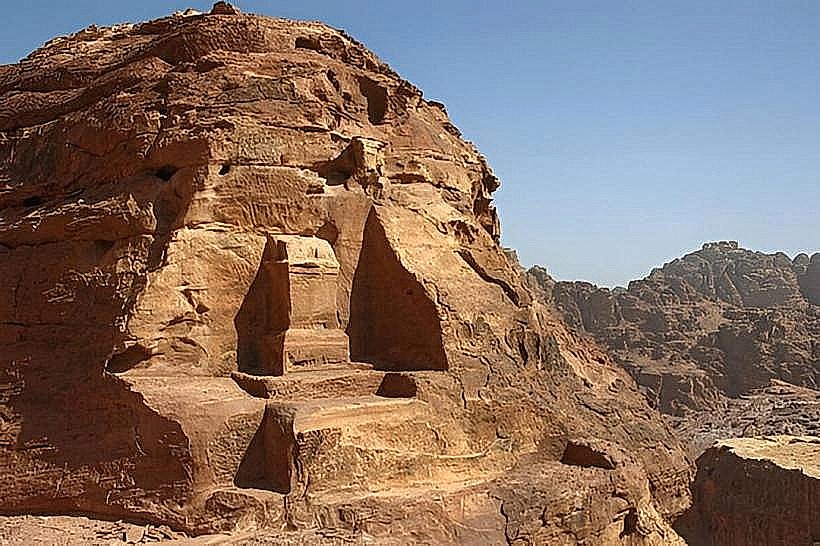
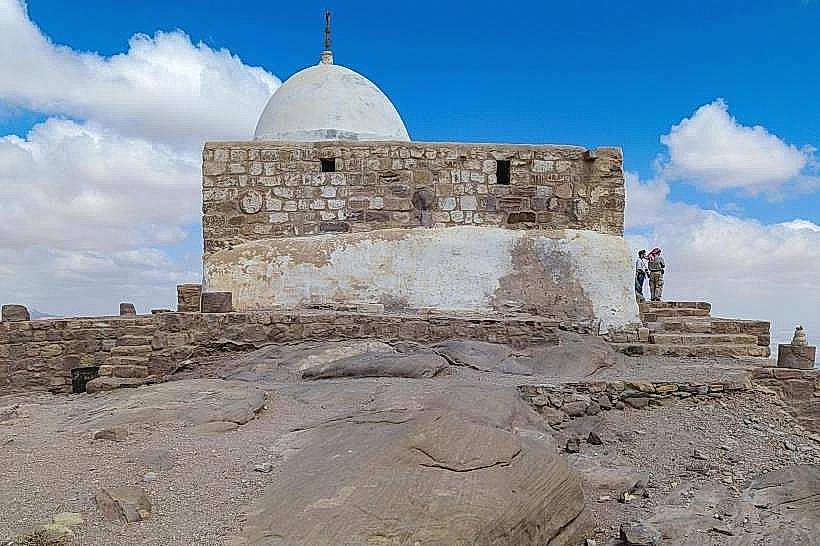
The High Place of Sacrifice: An altar located on a mountain peak used for religious ceremonies.
Ad Deir (The Monastery): Similar in design to the Treasury but significantly larger, measuring 47 meters wide and 48 meters high.
Logistics & Transportation
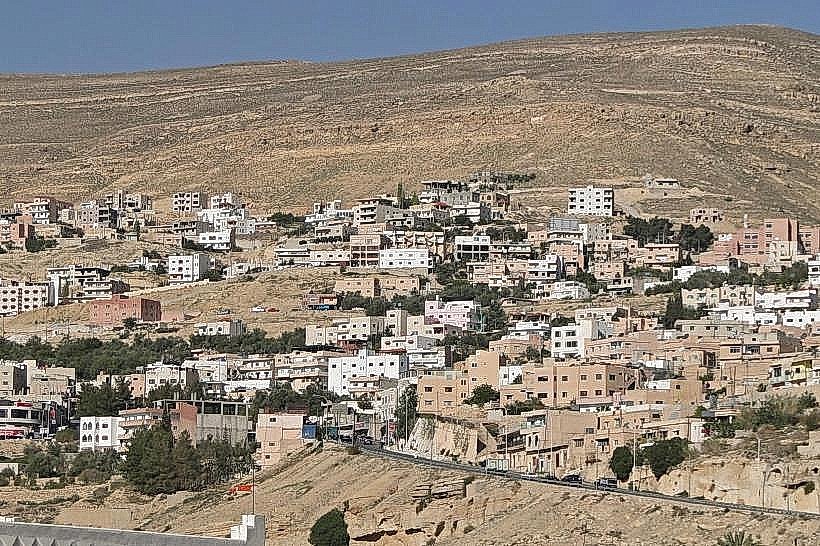
Access: The nearest town is Wadi Musa, which serves as the gateway and service hub for the archaeological park.
Entry: Visitors must purchase a Jordan Pass or a ticket at the Visitor Center. High entrance fees apply (approx. JOD 50 for a one-day pass).
Internal Movement: The site is strictly pedestrian. Electric carts are available for those with mobility issues between the Visitor Center and the Treasury. Animals (donkeys, camels, and horses) are used for transport, though welfare standards vary.
Travel from Amman: Approximately 230 km (3-hour drive via the Desert Highway or 4.5 hours via the scenic King’s Highway).
Safety & Security
The general safety level is high. The primary risks are physical exhaustion, dehydration, and exposure. Significant flash flood risks exist in the Siq during winter months; the site is closed immediately during heavy rain. Standard urban vigilance is required regarding "scams" involving animal rides or "secret" viewpoints offered by local Bedouins.
Digital & Financial Infrastructure
Mobile signal (4G/5G) is available in Wadi Musa and the main areas of the archaeological site. Card acceptance is 100% at the Visitor Center and major hotels in Wadi Musa. Cash (JOD) is required for small vendors inside the park. ATMs are ubiquitous in Wadi Musa.
Climate & Environment
Summer: Arid and intense heat (18°C–36°C).
Winter: Cold and windy, with temperatures often dropping to 2°C at night; snow is possible.
Best Time to Visit: Spring (March–May) and Autumn (September–November).
Culture & Social Norms
The area is inhabited by the Bdul Bedouin tribe, many of whom work within the park. Tipping is customary for guides and animal handlers. Respectful dress is required (shoulders and knees covered). Photography is generally permitted, but permission should be asked before photographing locals.
Accommodation Zones
Wadi Musa: All lodging is located here. Hotels near the Petra Gate offer immediate walking access to the site entrance.
Nearby Day Trips
Little Petra (Siq al-Barid): 8 km north; a smaller, less crowded Nabataean site.
Wadi Rum: 105 km (1.5-hour drive); a protected desert wilderness.
Aqaba: 125 km (2-hour drive); Jordan's Red Sea port.
Facts & Legends
The Nabataeans were master hydrologists, constructing a complex system of dams and water channels that allowed the city to flourish in a desert environment. A verified historical oddity is that the "Treasury" name originated from a local legend that an Egyptian Pharaoh hid his treasure in the stone urn at the top of the facade; bullet holes are still visible where Bedouins shot at the urn trying to break it open.