City: South Bend
Country: USA Indiana
Continent: North America
South Bend, USA Indiana, North America
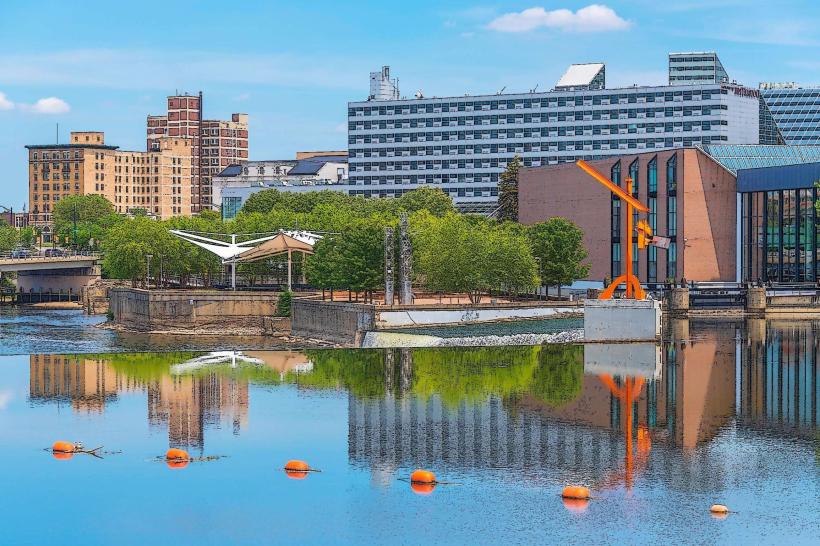
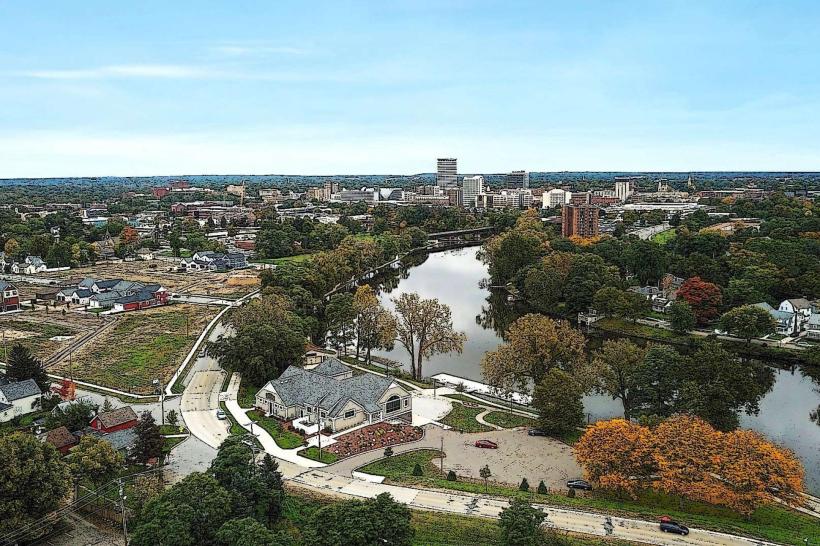
South Bend is an independent city and the seat of St. Joseph County, situated on the southernmost bend of the St. Joseph River in Northern Indiana. It is defined by its identity as the home of the University of Notre Dame, its legacy as the former headquarters of the Studebaker Corporation, and its 21st-century transition into a regional hub for data centers and healthcare.
Historical Timeline
Inhabited by the Potawatomi and Miami peoples for millennia. Primary governance eras include its late 18th-century status as a fur-trading post and its 1865 incorporation as a city. A critical historical event was the 1852 establishment of the Studebaker blacksmith shop, which evolved into a global automotive giant, dominating the city’s economy for a century. The 1963 closure of the Studebaker plant caused a decades-long industrial decline. The late 20th and early 21st centuries have been characterized by the expansion of Notre Dame’s influence and the "Renaissance District" redevelopment of former industrial brownfields.
Demographics & Population
The population is approximately 103,500. The demographics are White (52%), Black or African American (26%), Hispanic or Latino (16%), and Asian (2%). It is a diverse, working-class to middle-class community with a significant student population and a growing tech-sector workforce.
Urban Layout & Key Districts
South Bend is organized around the river and a centralized downtown grid.
Downtown: The civic heart, featuring the Morris Performing Arts Center, the East Bank, and renovated industrial lofts.
Notre Dame / Northeast: Technically a separate census-designated place (Notre Dame, IN) but functionally integrated; home to the university and upscale student-oriented retail.
East Bank Village: A walkable district across the river from downtown known for independent dining and galleries.
West Side: Historically the center of the Polish and Hungarian immigrant workforce; largely residential with strong neighborhood culinary traditions.
Rum Village: Located on the southern edge, home to a massive urban forest and the South Bend Chocolate Factory.
Top City Landmarks
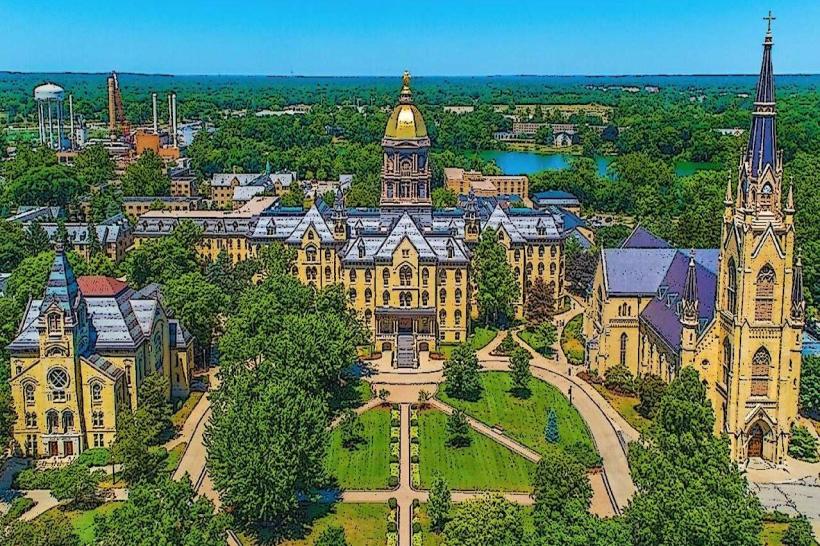
University of Notre Dame: Featuring the Golden Dome (Main Building), the Basilica of the Sacred Heart, and the "Touchdown Jesus" mural on the Hesburgh Library.
Studebaker National Museum: Housing a premier collection of wagons and automobiles from the city's manufacturing history.
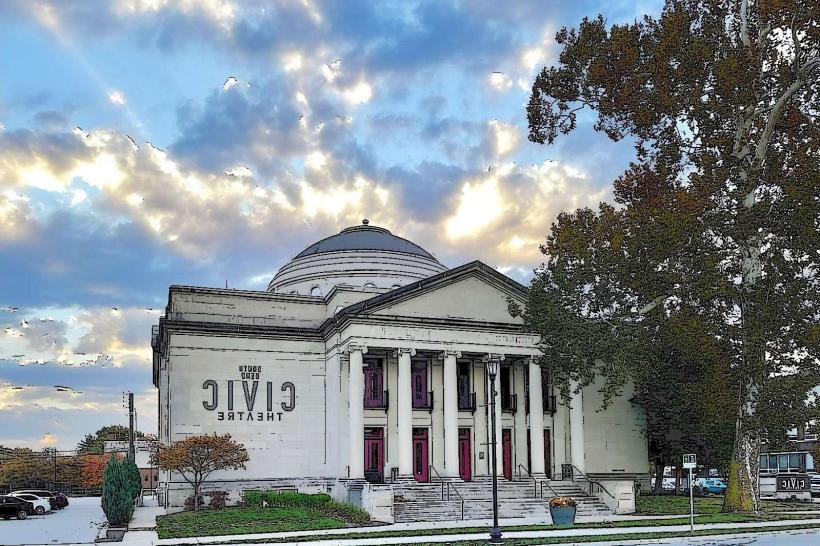
Morris Performing Arts Center: A meticulously restored 1922 vaudeville house and the premier venue for touring Broadway and symphony performances.
South Bend Museum of Art: Located within the Century Center, featuring a comprehensive collection of regional and American art.
The East Race Waterway: The first man-made whitewater rafting course in North America, situated in the heart of downtown.
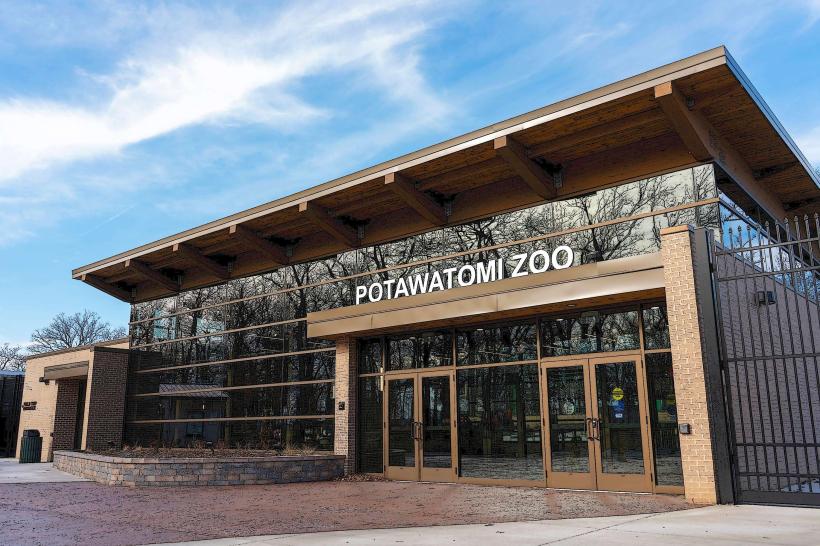
Potawatomi Zoo: The oldest zoo in Indiana, located in a large park on the city’s east side.
Transportation Network
Movement is serviced by Transpo (bus system) and the South Shore Line, an electric commuter rail connecting South Bend directly to Millennium Station in Chicago. The city is a major junction for I-80/90 (Indiana Toll Road) and US-31. Commercial air service is via South Bend International Airport (SBN), which also serves as a multi-modal transit hub. Ride-sharing is universal. Traffic density is moderate, peaking during Notre Dame home football weekends.
Safety & "Red Zones"
The general safety level is moderate to low in specific sectors. South Bend reports crime rates, particularly property crime and localized violent crime, higher than the Indiana average. Caution is advised at night in parts of the Near West Side and the Southeast neighborhoods. There are no officially designated "red zones," but visitors are advised to remain in well-lit areas near downtown and the university campus. Environmental hazards include severe lake-effect snow from Lake Michigan, which can produce rapid accumulations in winter.
Digital & Financial Infrastructure
Internet speeds average 500+ Mbps with fiber availability via Metronet, AT&T Fiber, and Xfinity. Main mobile carriers are Verizon and AT&T. Card acceptance is universal. ATMs are concentrated in Downtown and near the Notre Dame campus.
Climate & Air Quality
Temperatures range from -7°C to 1°C in winter and 18°C to 28°C in summer. The city is heavily influenced by Lake Michigan, resulting in high humidity in summer and extreme snowfall in winter. Air quality is moderate to high.
Culture & Social Norms
The standard tipping percentage is 18–25%. A handshake is the standard greeting. Dress codes are "Midwestern-Pragmatic" or "Academic-Professional" (Navy and Gold attire is standard on football Saturdays). The city is culturally defined by its Catholic heritage, its "Rust Belt" resilience, and its intense association with the Notre Dame Fighting Irish.
Accommodation Zones
Eddy Street Commons / Northeast: Recommended for proximity to Notre Dame and modern amenities.
Downtown: Recommended for theater access and business travel.
Northwest / Airport: Recommended for transit convenience and budget hotel chains.
Local Cost Index
1 Espresso: $4.25 (USD)
1 Standard Lunch: $16.00 (USD)
1 South Shore Line Fare (to Chicago): $15.00 (Single).
Nearby Day Trips
Indiana Dunes National Park: (70 km west; beaches and hiking).
Chicago, IL: (145 km west; via South Shore Line or Toll Road).
Amish Country (Shipshewana): (60 km east).
Facts & Legends
South Bend was the birthplace of the all-female professional baseball team, the South Bend Blue Sox (made famous by the film A League of Their Own). Historically, it was the site where the first "safety bicycle" was mass-produced in the U.S. A local legend involves the "Ghost of Tippecanoe Place," rumored spectral activity in the historic Studebaker mansion. Another legend concerns "The Lost Potawatomi Silver," rumored caches of artifacts hidden in the marshes of the Kankakee River to the south during the removal of the 1830s.