Information
City: Villa de LeyvaCountry: Colombia
Continent: South America
Villa de Leyva, Colombia, South America
Villa de Leyva functions as the primary architectural and paleontological pivot of the Boyacá department. Situated 165 km northeast of Bogotá, it serves as a specialized node for Colonial Spanish preservation, Mesozoic fossil research, and high-altitude astronomical observation. It is defined by its 14,000 $m^2$ Plaza Mayor (one of the largest in the Americas), its semi-arid desert microclimate, and its 2026 role as a finalized hub for heritage-based tourism and luxury rural relocation.
Historical Timeline
1572: Founded by Andrés Díaz Venero de Leiva; designed to resemble a Castilian village with wide streets and a massive central square.
1812: Served as the temporary capital of the United Provinces of New Granada during the early independence movement.
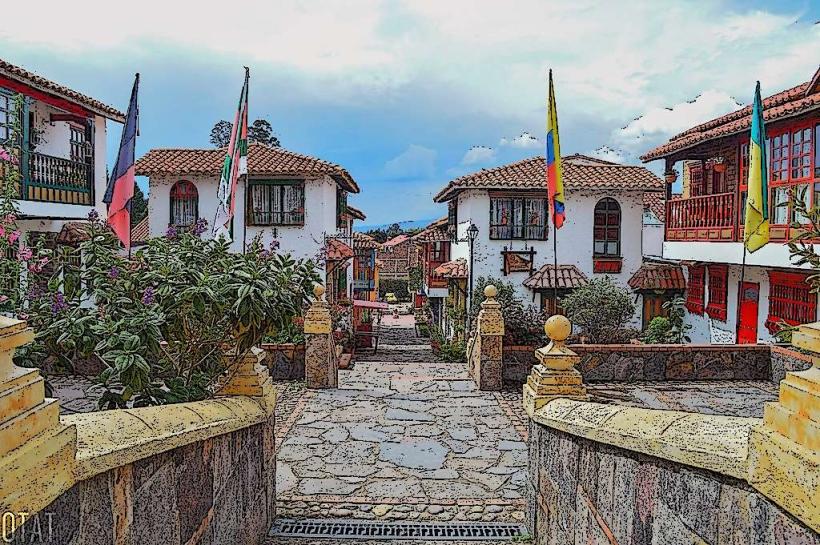
1954: Declared a National Monument, strictly mandating the preservation of its whitewashed facades and cobblestone streets.
2026 Context: In March 2026, the city hosted the 29th Festival of Astronomy, utilizing its specialized clear skies to host thousands of professional and amateur astronomers in the Plaza Mayor.
Demographics & Population
The municipal population is approximately 18,200 (2026 estimate). The demographic is a specialized mix of traditional Boyacense farming families and an affluent sector of Bogotá-based retirees and foreign expats. In 2026, the city maintains a specialized status as a "Pueblo Patrimonio," utilizing a specialized Tourism Capacity Management system to regulate the influx of 50,000+ weekend visitors.
Urban Layout & Key Districts
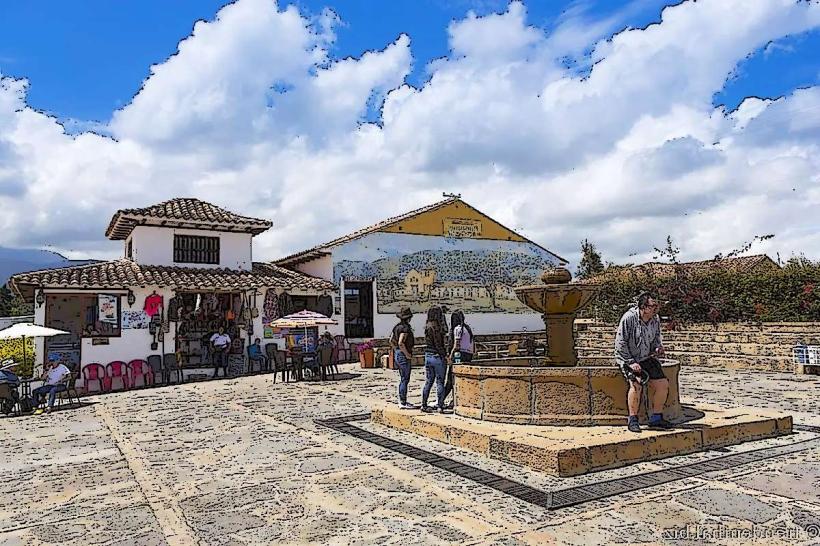
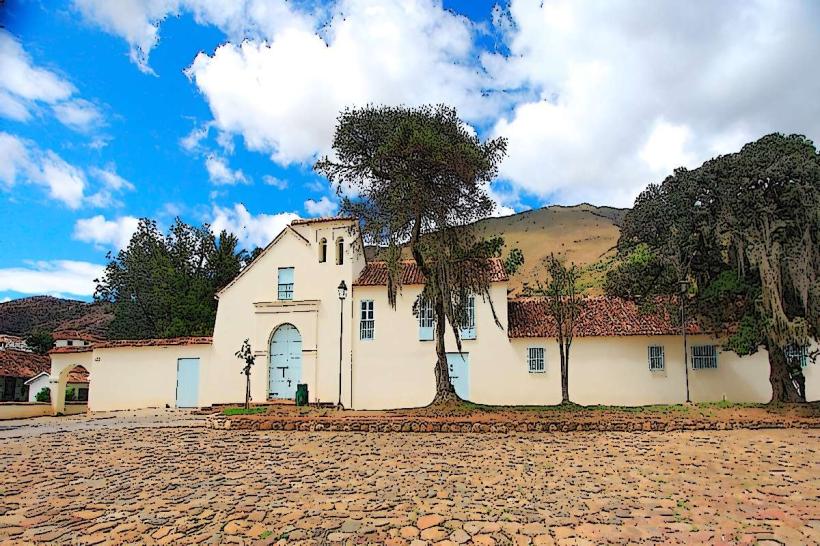
Plaza Mayor: The specialized heart of the town; a 120m x 120m stone-paved square containing the municipal hall, parish church, and primary commercial courtyards.
Historical Core: A specialized grid of colonial architecture hosting the city’s primary museums and luxury boutique hotels.
The Desert (Valle Escondido): A specialized semi-arid zone on the periphery containing the Terracotta House and the Pozos Azules.
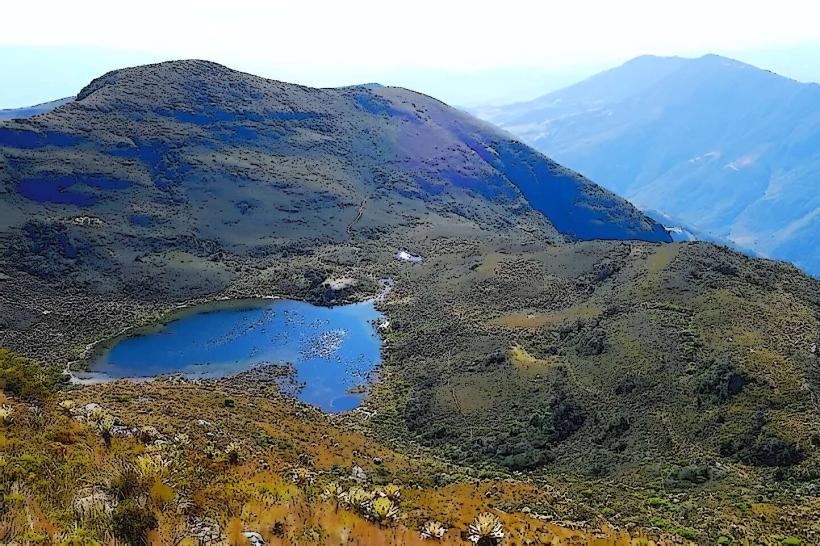
Iguaque Highland: A specialized high-altitude ecological zone (2,800m+) serving as the primary hub for Muisca-related hiking and water-source conservation.
Top City Landmarks
Plaza Mayor: The largest stone-paved square in Colombia; in 2026, it remains the primary node for the Festival of Kites (August) and the Festival of Lights (December).
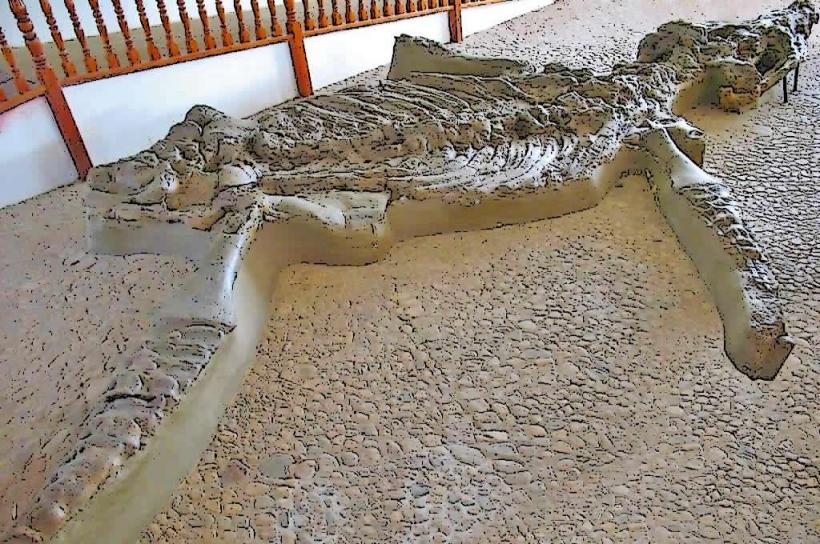
El Fósil Museum: A specialized site built around a 110-million-year-old Kronosaurus quensladicus skeleton, discovered in situ in 1977.
Casa Terracota: A specialized 500 $m^2$ structure claimed to be the "largest piece of pottery in the world," built entirely of baked clay.
El Infiernito (Muisca Observatory): A specialized pre-Columbian archaeological site featuring 30 large stone monoliths used for astronomical and fertility rituals.
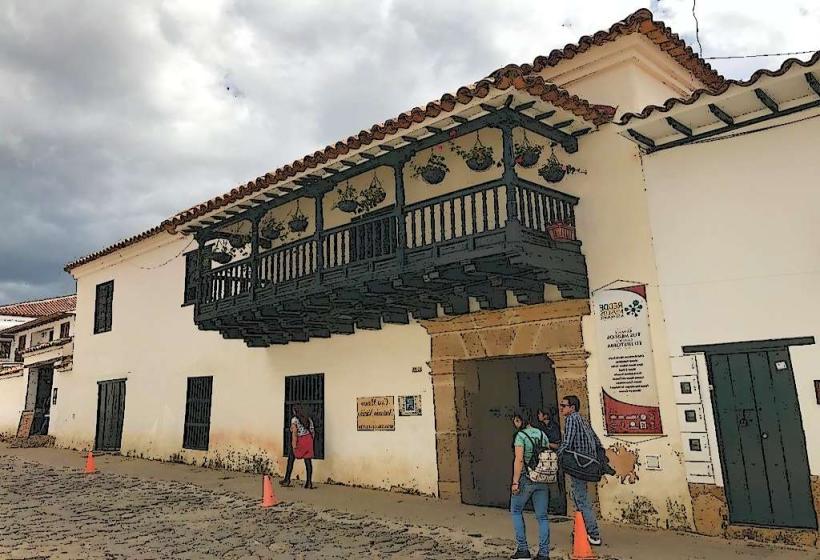
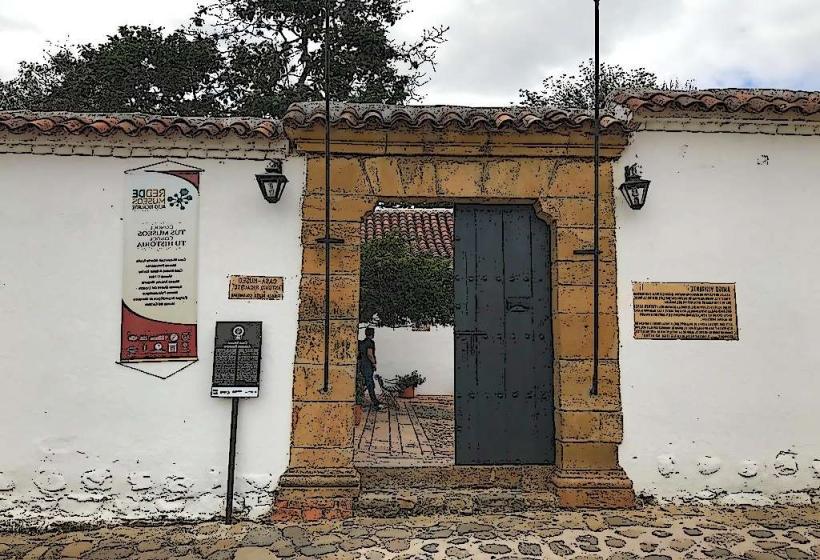
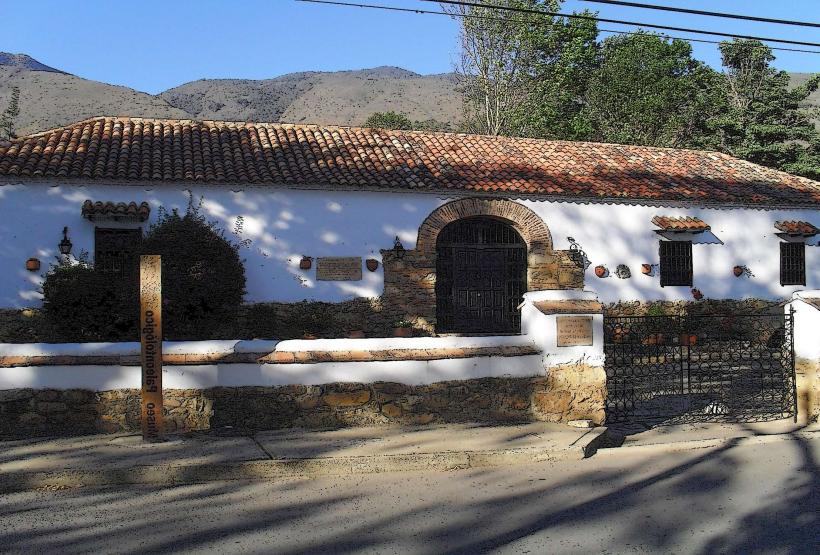
Antonio Nariño House: A specialized museum dedicated to the independence leader who translated the "Rights of Man" into Spanish; he died in this house in 1823.
Pozos Azules: A specialized series of artificial mineral pools in the desert, noted for their deep turquoise color caused by sulfur and selenium.
Transportation & 2026 Logistics
Bus Transit: The primary 2026 link is via Tunja (1 hour, €2.00 / 7,000 COP) or Bogotá (3.5 hours, €9.00 / 36,000 COP).
Local Logistics: In 2026, the town center remains a specialized pedestrian-priority zone; vehicle access is restricted to residents and hotel logistics during weekends.
Aviation: The nearest major hub is El Dorado (BOG) in Bogotá; a specialized private airstrip in the nearby valley serves chartered light aircraft.
2026 Regulation: All tourist accommodation in 2026 must be registered under the National Tourism Registry (RNT) to ensure compliance with specialized heritage preservation codes.
Safety & Environment
The general safety level is very high. Warning: The cobblestones in the Plaza Mayor are notoriously uneven; specialized footwear is required for safe transit. In 2026, the "Iguaque-Monitor" tracks real-time water levels in the highland lagoons to manage the town’s specialized drought-prone supply.
Local Cost Index (2026 Estimates)
1 Night (Luxury Boutique Hotel): €120.00 – €180.00
1 Espresso (Plaza Mayor): €2.10 – €3.00 (9,000 COP)
Entry to El Fósil Museum: €4.50 (20,000 COP)
Mid-range Dinner for Two: €45.00 – €65.00
Monthly Rent (Colonial 1-BR): €650 – €950
Facts & Legends
Villa de Leyva is the site of the "Legend of Iguaque," where Muisca mythology states that the goddess Bachué emerged from the highland lagoon to populate the earth. Legend states that the desert soil around the town is so rich in fossils that you can find ammonites in the foundation stones of colonial houses. A verified fact is that the town has no traffic lights, a specialized municipal choice to preserve its 16th-century aesthetic. Historically, it was a primary retreat for Spanish military officers who found the dry climate beneficial for their health. In 2026, it remains the specialized epicenter of Colombian wine production, with the nearby Ain Karim and Marqués de Villa de Leyva vineyards leading the national market.