City: Woonsocket
Country: USA Rhode Island
Continent: North America
Woonsocket, USA Rhode Island, North America
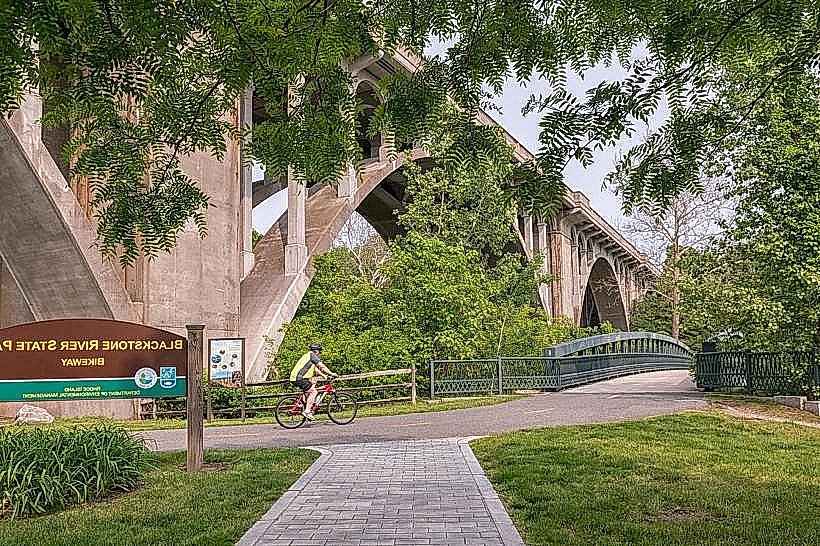
Woonsocket serves as a secondary industrial center and the northern anchor of the Blackstone Valley corridor. It is located in Providence County at the northern border of Rhode Island, situated on the falls of the Blackstone River.
Historical Timeline
Woonsocket was incorporated as a town in 1867 and as a city in 1888. Primary eras of governance include the early industrial period under the Harris and Bernon families, the peak textile manufacturing era (1880–1930), and the post-industrial economic shift. The current urban form was largely dictated by the massive reconstruction of the social and physical fabric following the 1955 flood of the Blackstone River, which destroyed numerous riverside mills. The primary event shaping the city was the 19th-century influx of French-Canadian laborers, making it the most French city in the United States.
Demographics & Population
The population within city limits is approximately 43,000. The top three ethnic or national demographics are White (63%), Hispanic or Latino (21%), and Black or African American (8%). The median age is 37 years.
Urban Layout & Key Districts
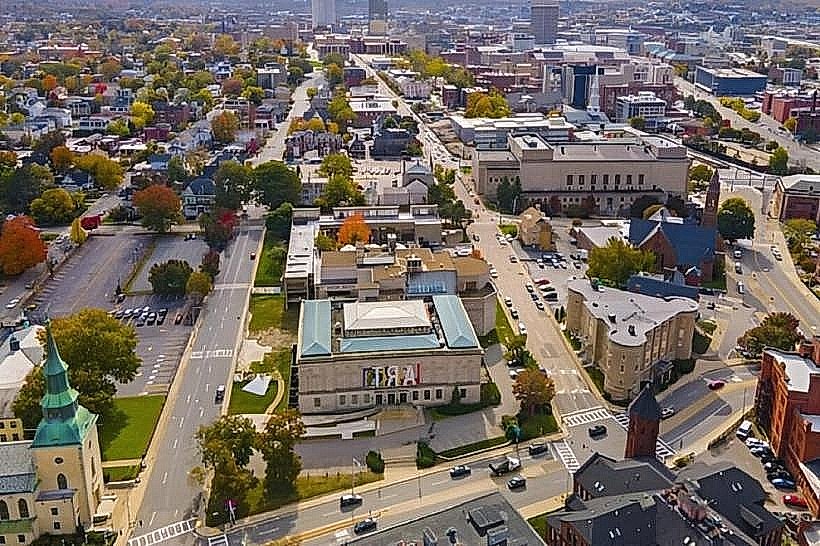
The city is centered on a sharp bend in the Blackstone River. Key districts include Main Street (Downtown) for government and commerce, the North End for residential density, and the Bernon district to the south. The city is bordered by North Smithfield, Cumberland, and the Massachusetts state line to the north.
Top City Landmarks
Stadium Theatre Performing Arts Centre
St. Ann’s Arts and Cultural Center
Hanora Mill
Transportation Network
Internal movement is served by RIPTA bus routes connecting to Providence and Pawtucket. Uber and Lyft are available but have lower vehicle density than in Providence. Official taxis are typically dispatched via phone from local companies like Yellow Cab. Traffic is light to moderate, concentrated primarily on Routes 146 and 122.
Safety & "Red Zones"
Woonsocket has higher reported crime rates relative to the Rhode Island average. Areas around the Constitution Hill neighborhood and certain sections of the Fairmount district should be navigated with caution at night. Common scams include standard urban panhandling near the primary commercial plazas.
Digital & Financial Infrastructure
Average internet speed is 200–500 Mbps via Cox or Verizon. Main mobile carriers are Verizon, AT&T, and T-Mobile. Card acceptance is high in formal retail, though some local independent diners remain cash-only. ATMs are readily available in the downtown core.
Climate & Air Quality
Winter temperatures range from -6°C to 3°C; summer ranges from 17°C to 27°C. Air quality is generally good, though the valley geography can occasionally trap humidity and allergens. Significant weather risks include heavy snowfall and freezing rain from December through March.
Culture & Social Norms
Tipping is standard at 20% in full-service restaurants. Greetings are informal. The city retains a strong French-Canadian heritage; "Bonjour" is occasionally heard in older social clubs. Dress is utilitarian. Public consumption of alcohol is prohibited, and smoking is banned in all indoor public spaces.
Accommodation Zones
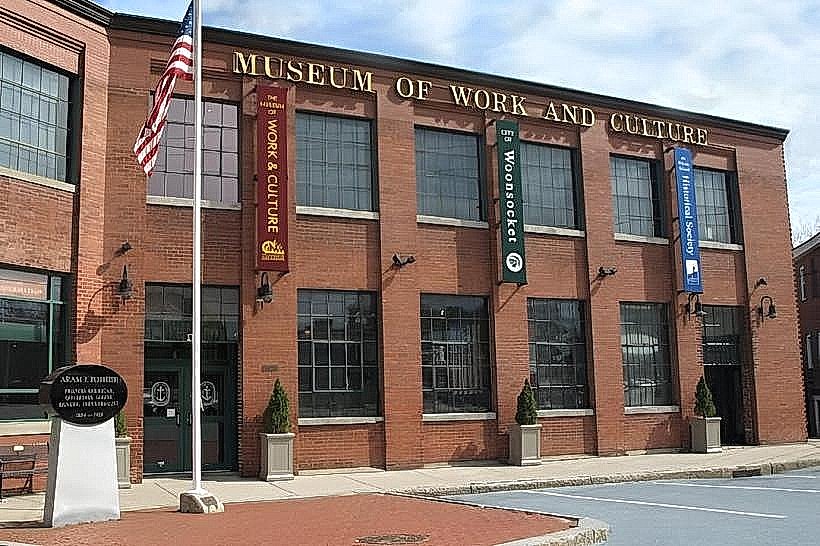
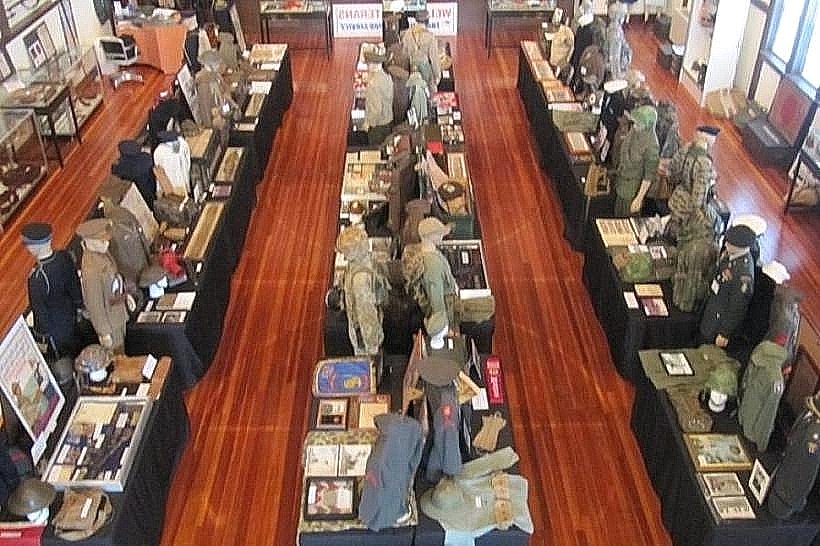
Stay in the Downtown area for proximity to the Museum of Work and Culture and the Stadium Theatre.
Stay in the nearby North Smithfield border area for modern hotel chains and easier highway access.
Local Cost Index
1 Espresso: $3.50 (3.22€)
1 Standard Lunch: $15.00 (13.80€)
1 Bus Ticket: $2.00 (1.85€)
Nearby Day Trips
Providence, RI: 24 km (25 minutes)
Worcester, MA: 42 km (35 minutes)
Boston, MA: 80 km (1 hour 10 minutes)
South County Beaches, RI: 65 km (55 minutes)
Facts & Legends
Woonsocket is the site of a verified historical oddity: during the early 20th century, the city’s population was so overwhelmingly Francophone that it supported multiple French-language daily newspapers, and the French language was commonly used for official municipal business. Local legend persists regarding the "cursed" nature of the Blackstone River's falls, attributed to several industrial accidents occurring during the height of the textile boom.