Landmark: Archaeological Park
City: Esztergom
Country: Hungary
Continent: Europe
Archaeological Park, Esztergom, Hungary, Europe
The Esztergom Archaeological Park (officially the Esztergom Castle Museum Garden and Lapidarium) is an open-air and semi-enclosed site situated on the southern slope of Castle Hill. It preserves the structural remains of the medieval royal center and the Roman fortifications of the ancient settlement, Solva.
Visual Characteristics
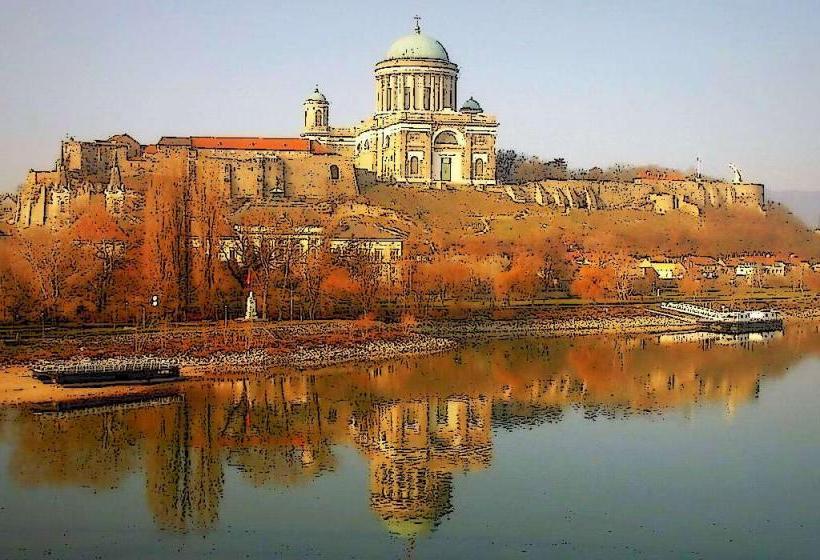
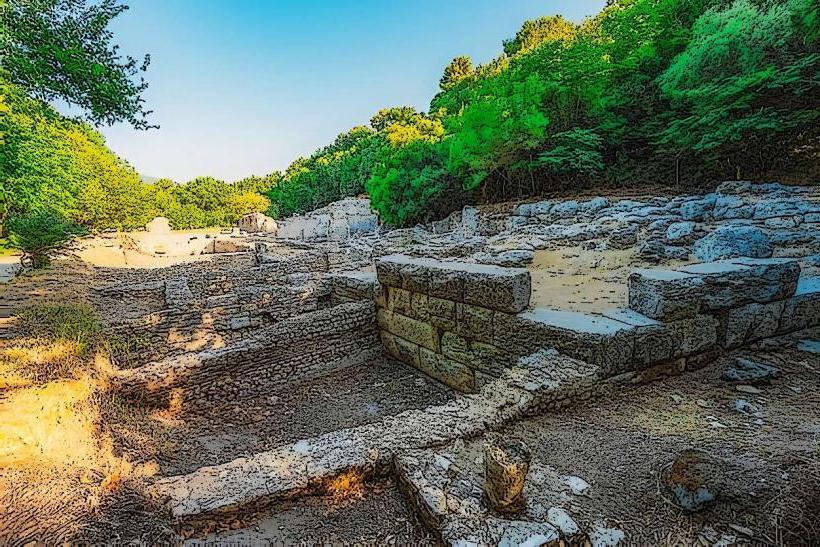
The park is defined by exposed limestone foundations, reconstructed brick bastions, and medieval stone walls. It features an extensive collection of stone artifacts, including Roman altars, medieval column capitals, and sarcophagi displayed in a lapidarium. The landscaping incorporates grass-covered terraces and gravel paths that follow the contours of the hill, offering unobstructed views of the Danube riverbank.
Location & Access Logistics
Located at Szent István tér 1, immediately adjacent to the southern walls of the Royal Castle. It is a 20-minute walk from the Esztergom bus station and 25 minutes from the railway station. For visitors arriving by car, the large "Bazilika" parking lot is the closest access point (0.2km). The terrain is uneven with significant elevation changes, requiring sturdy footwear.
Historical & Ecological Origin
The site represents over two millennia of habitation, from Celtic and Roman (Pannonia province) origins to the Arpad-dynasty royal seat. Most of the ruins were buried for centuries under Ottoman-era defensive earthworks and were only systematically excavated in the 20th century. The park sits on a loess-covered limestone plateau that has historically provided a natural defensive advantage overlooking the river bottleneck.
Key Highlights & Activities
Roman Lapidarium: A dense collection of inscribed stones and architectural fragments from the 1st–4th centuries.
Castle Wall Walk: A designated path along the fortified perimeter providing tactical views of the Viziváros district.
Medieval Foundations: Visible footprints of former residential and administrative buildings of the Hungarian royal court.
Archaeological Garden: An educational area explaining the stratification of the hill and the techniques used to preserve the masonry.
Infrastructure & Amenities
The park is integrated into the Castle Museum complex and shares its ticket office and restroom facilities. 5G cellular coverage is strong across the entire outdoor plateau. Information boards in English and Hungarian are placed at major points of interest. While the main paths are gravel, many of the deeper ruins are only accessible via narrow stone steps.
Best Time to Visit
Operating hours correspond with the Castle Museum (Tuesday–Sunday, 10:00–18:00). Early morning or late afternoon provides the best shadows for highlighting the textures of the ancient stone ruins and avoids the midday heat, as the site offers minimal natural shade.
Facts & Legends
A historical fact is that the park contains ruins of the church where Hungary's first king, St. Stephen, was crowned in 1000 AD. A local legend suggests that hidden passages leading from these foundations descend deep into the limestone rock, connecting to the "Dark Gate" tunnel system used by medieval defenders.
Nearby Landmarks
Royal Castle Museum – 0.05km North
Esztergom Basilica – 0.2km North
Statue of St. Stephen's Coronation – 0.15km North
Dark Gate (Sötétkapu) – 0.3km East
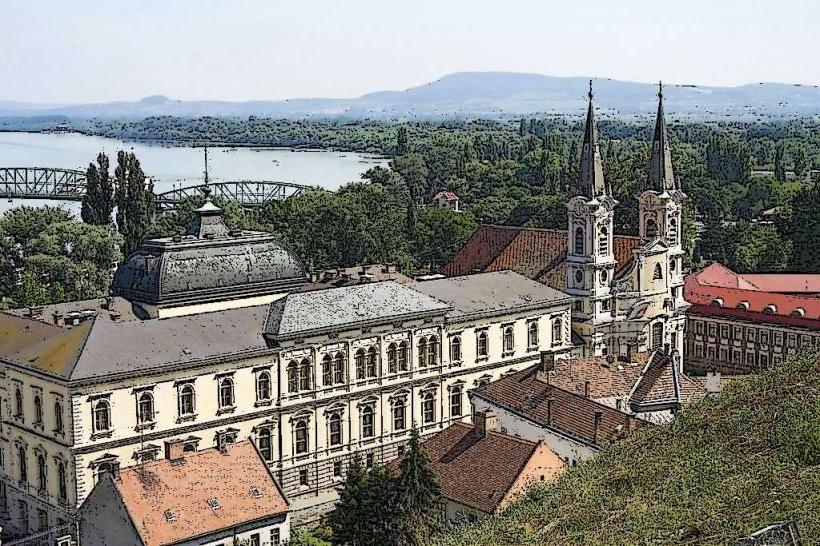
Viziváros Parish Church – 0.2km South (downhill)