Landmark: Arima Onsen
City: Kobe
Country: Japan
Continent: Asia
Arima Onsen, Kobe, Japan, Asia
Arima Onsen is a hot spring resort located in the Rokko Mountains of Kobe, Japan. It is one of Japan's oldest hot spring towns.
Visual Characteristics
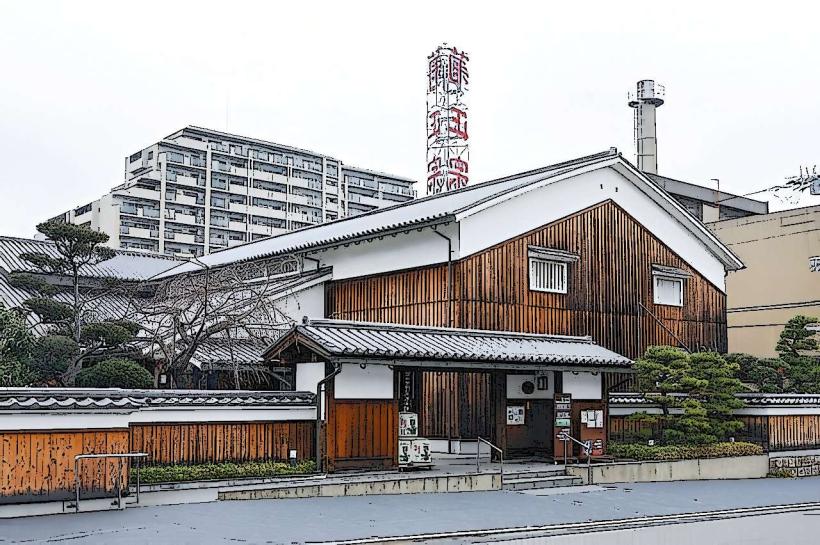
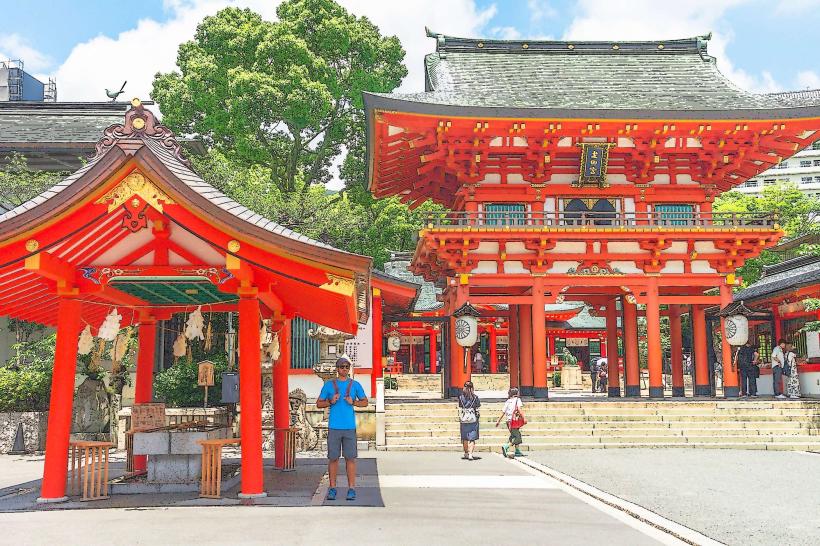
The town is characterized by traditional wooden ryokan (inns) with dark tiled roofs. Streets are narrow and often paved with stone. The surrounding mountains are densely forested with deciduous and evergreen trees, changing color seasonally.
Location & Access Logistics
Arima Onsen is situated approximately 15 kilometers north of Kobe city center. Access is primarily via the Arima Kaido road. From Sannomiya Station in Kobe, take the Kobe Dentetsu Arima Line to Arima Onsen Station (approx. 30 minutes). Alternatively, highway buses operate from major cities like Osaka and Kyoto. Parking is available in designated lots, with fees varying by location and duration. The closest major airport is Kansai International Airport (KIX), approximately 60km away.
Historical & Ecological Origin
Arima Onsen's origins are traced back over 1,000 years, making it one of Japan's most ancient onsen. The hot springs are geothermally heated, drawing mineral-rich water from deep within the earth. The area is geologically situated in a mountainous region with volcanic activity contributing to the thermal waters.
Key Highlights & Activities
Visitors can bathe in the mineral-rich hot springs at various public bathhouses (onsen-kan) or private ryokan. Walking the town's streets, sampling local delicacies like sansho mochi, and visiting the Arima Toy Museum are common activities. Hiking trails in the surrounding Rokko Mountains offer opportunities for outdoor exploration.
Infrastructure & Amenities
Restrooms are available in public areas and accommodations. Shade is provided by trees and building overhangs. Cell phone signal (4G/5G) is generally available within the town. Food vendors and restaurants are numerous throughout the resort area.
Best Time to Visit
For photography, early morning or late afternoon light offers softer illumination. Spring (March-May) and Autumn (September-November) provide pleasant temperatures and scenic foliage. Winter (December-February) is suitable for enjoying the hot springs, though temperatures can be cold.
Facts & Legends
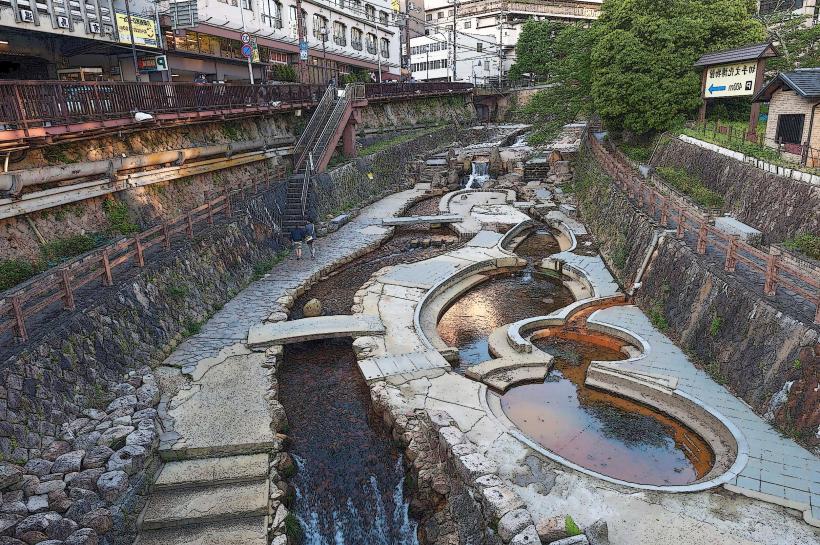
A local legend states that the hot springs were discovered by a white heron with a wounded leg, which healed after bathing in the waters. The town is known for its two distinct types of water: Kinsen (gold water), which is iron-rich and reddish-brown, and Ginsen (silver water), which is clear and colorless.
Nearby Landmarks
- Mount Rokko (2km Northwest)
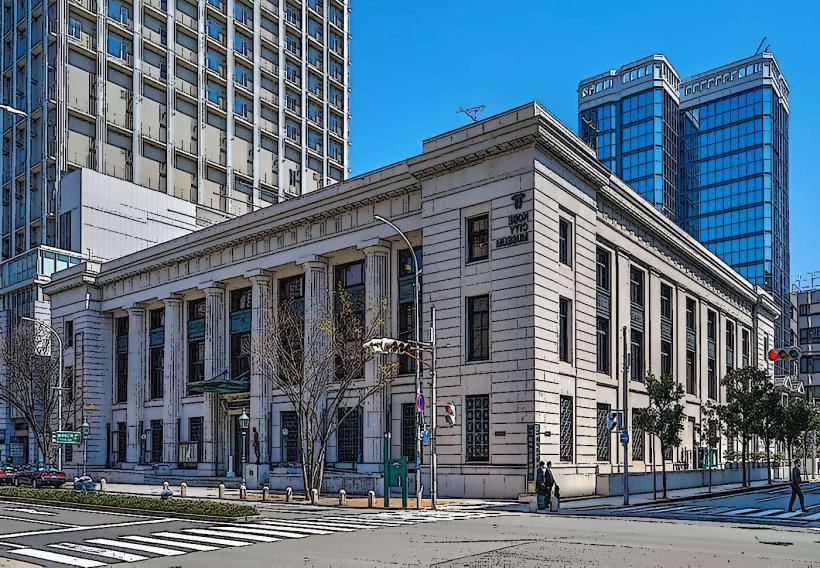
- Kobe City Museum (15km South)
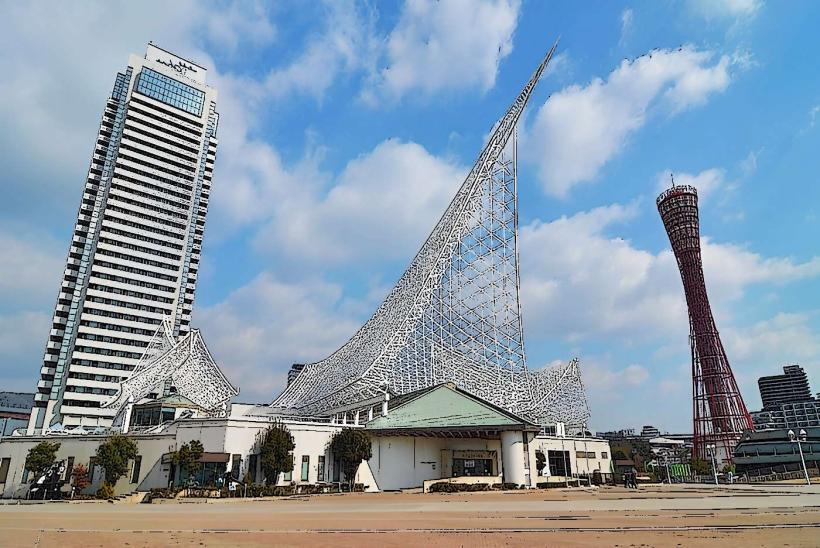
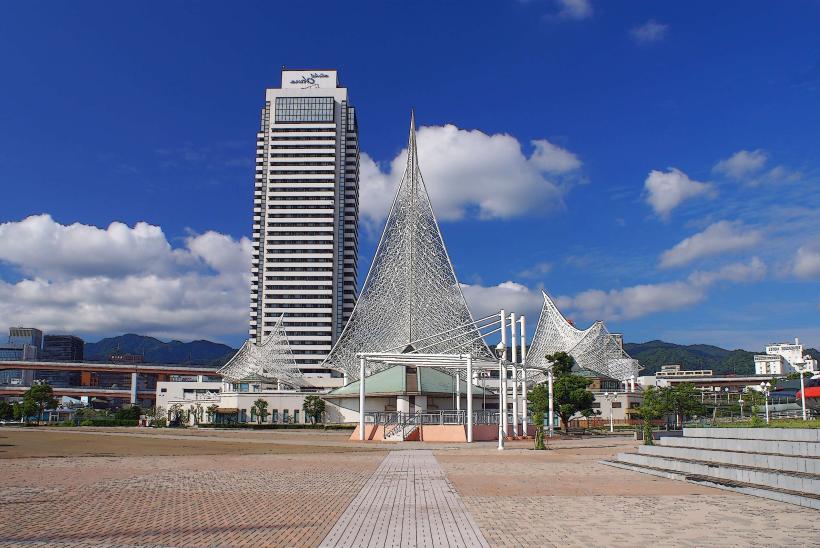
- Meriken Park (16km South)
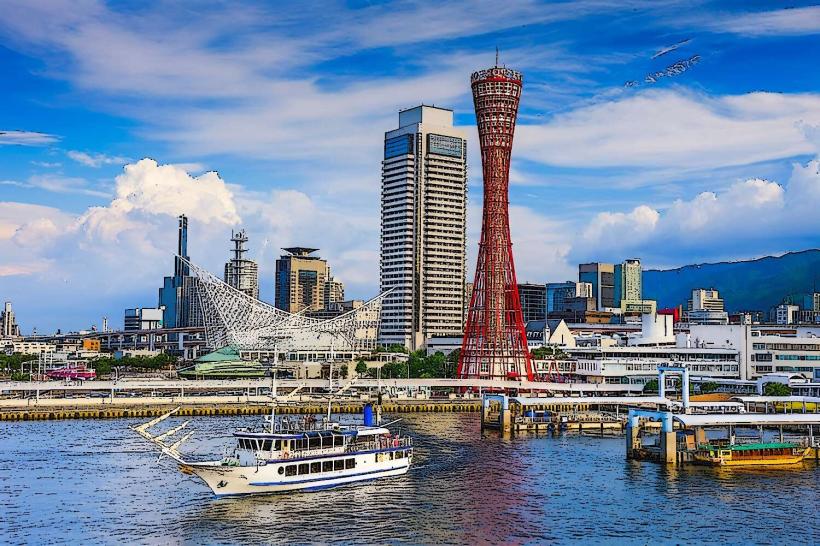
- Kobe Port Tower (16km South)
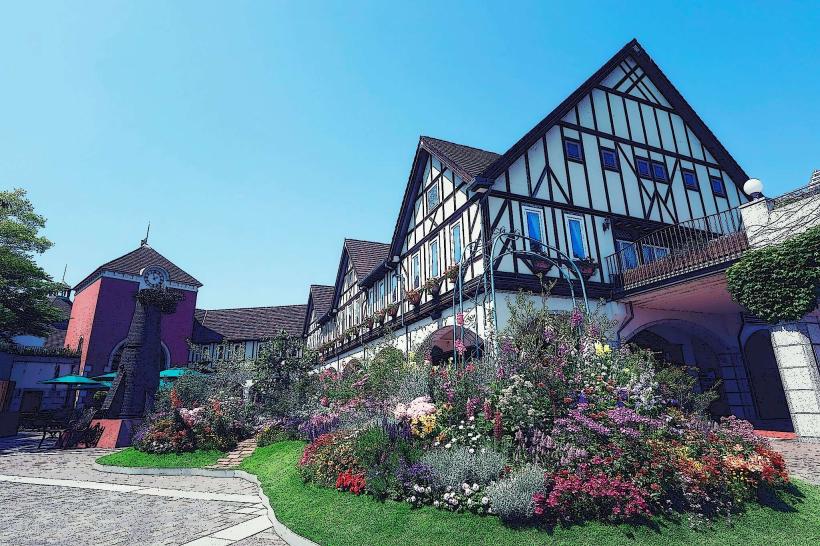
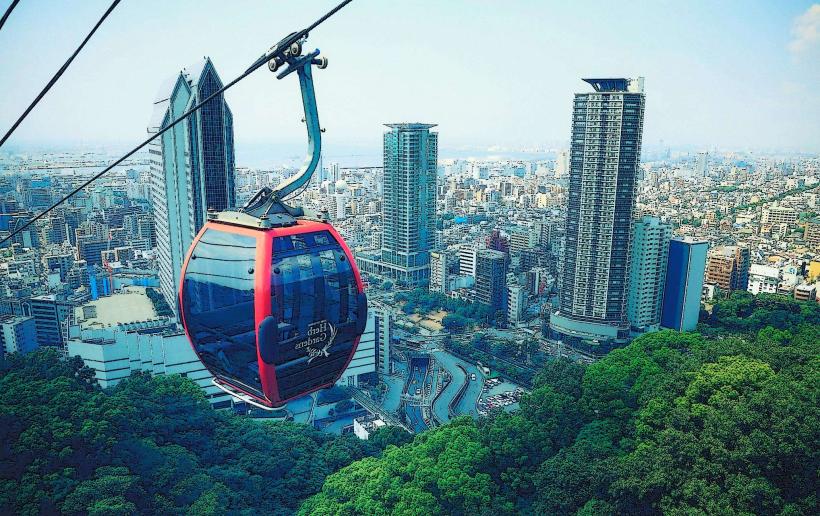
- Nunobiki Herb Garden (12km Southwest)