Landmark: Arochukwu Long Juju Slave Route
City: Abia
Country: Nigeria
Continent: Africa
Arochukwu Long Juju Slave Route, Abia, Nigeria, Africa
The Arochukwu Long Juju Slave Route is a historical site located in Arochukwu, Abia State, Nigeria. It served as a significant center for the slave trade in pre-colonial West Africa.
Visual Characteristics
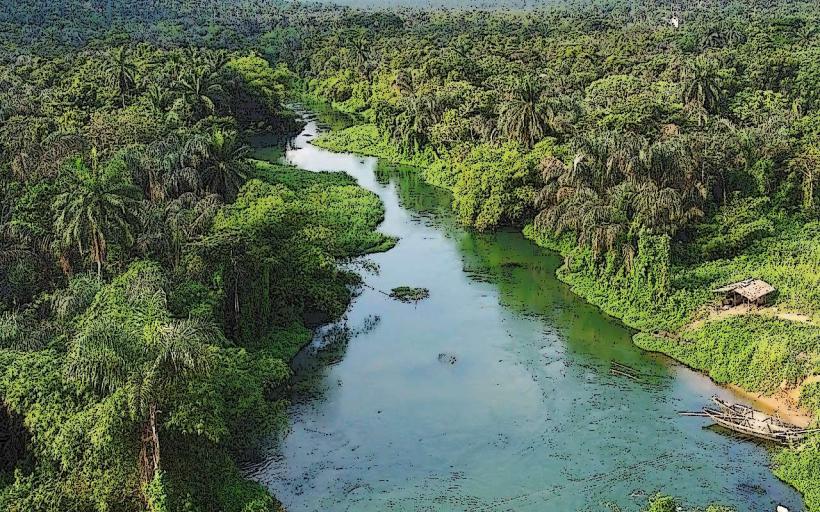
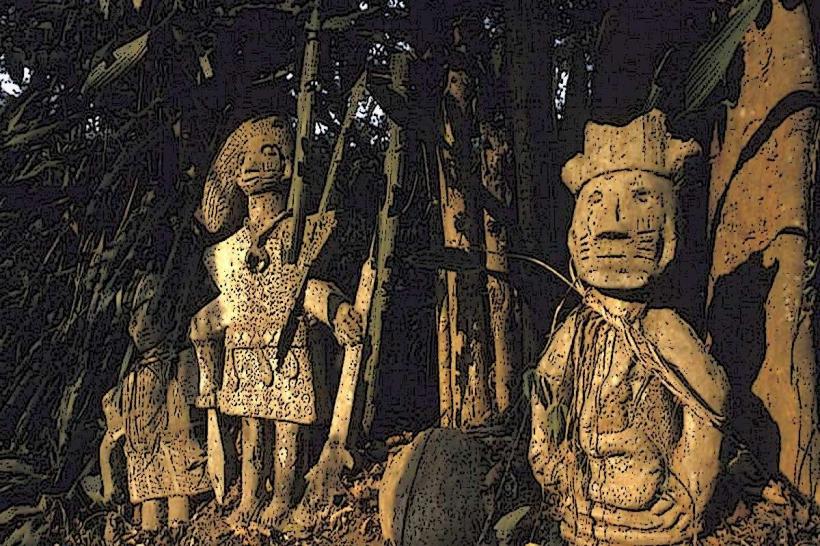
The route comprises a network of footpaths, some paved with stones, leading to the Ibom Isii cave. The cave itself is a large, dark cavern with natural rock formations. The surrounding vegetation is dense tropical rainforest.
Location & Access Logistics
Arochukwu is situated approximately 150 kilometers northeast of Aba. Access to the slave route is via local roads from Arochukwu town. The primary access point to the Ibom Isii cave is a well-trodden path. Parking is available in Arochukwu town, with local guides often assisting with transport to the trailhead. Public transport options to Arochukwu include buses from major cities like Aba and Umuahia.
Historical & Ecological Origin
The Arochukwu Long Juju was established by the Aro people, who utilized it as a judicial and spiritual center. The Ibom Isii cave served as a holding area for individuals accused of various offenses, who were then sold into slavery. The geological formation is limestone karst, characterized by caves and sinkholes.
Key Highlights & Activities
Visitors can walk the historical route to the Ibom Isii cave. Guided tours explain the history of the site and its role in the slave trade. Observation of the cave's interior and the surrounding natural environment are primary activities.
Infrastructure & Amenities
Restrooms are generally not available at the cave site itself, but may be found in Arochukwu town. Shade is provided by the dense forest canopy. Cell phone signal can be intermittent within the cave and surrounding dense forest. Food vendors are typically located in Arochukwu town, not directly at the historical route.
Best Time to Visit
The best time of day for visiting is during daylight hours for visibility. The dry season, from November to March, offers more favorable weather conditions with less rainfall. There are no tide-dependent factors affecting access.
Facts & Legends
A significant legend associated with the Long Juju is the belief that individuals sent into the cave would disappear, either through supernatural means or by being sold. The Aro people were known for their extensive trade network, which facilitated the movement of enslaved people across West Africa.
Nearby Landmarks
- Arochukwu Palace (0.8km West)
- Ogbunike Cave (45km Southwest)
- National Museum Umuahia (60km Southwest)
- Aba (150km Southwest)