Landmark: Baengena Island
City: Fuvahmulah
Country: Maldives
Continent: Asia
Baengena Island, Fuvahmulah, Maldives, Asia
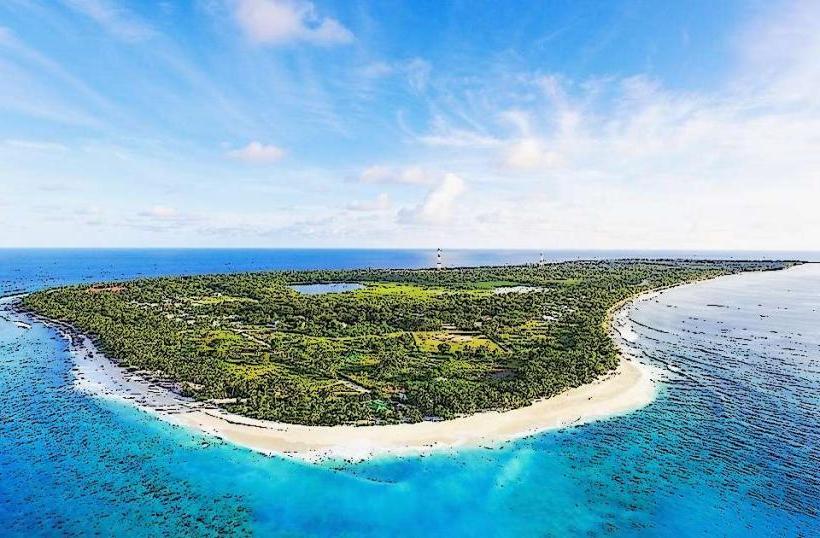
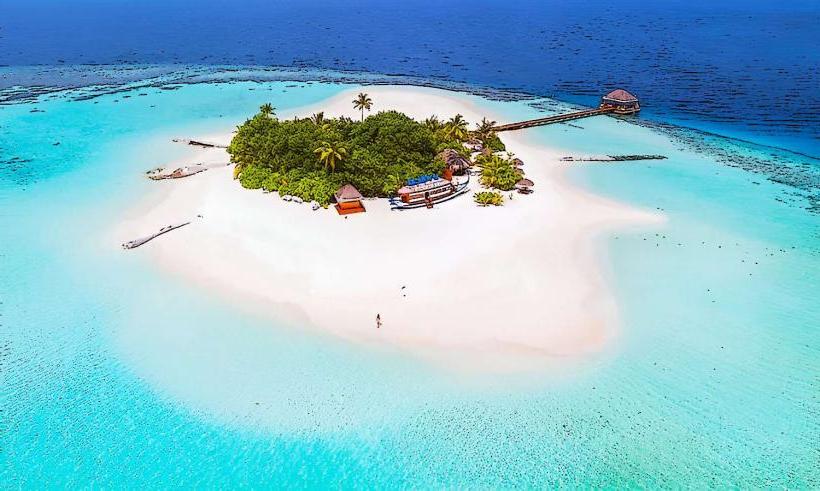
Baengena Island is a small, uninhabited island located off the coast of Fuvahmulah in the Maldives.
It is primarily a sandbank with sparse vegetation, situated approximately 1.5 kilometers east of Fuvahmulah's main island.
Visual Characteristics
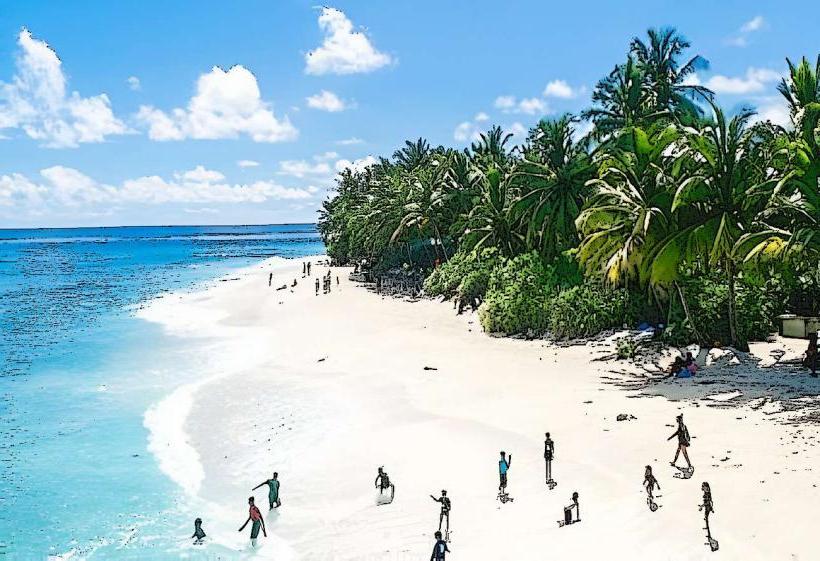
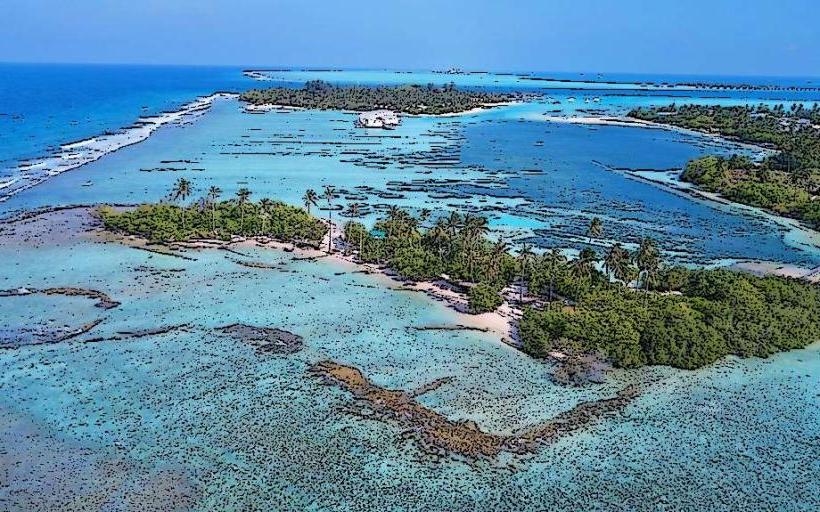
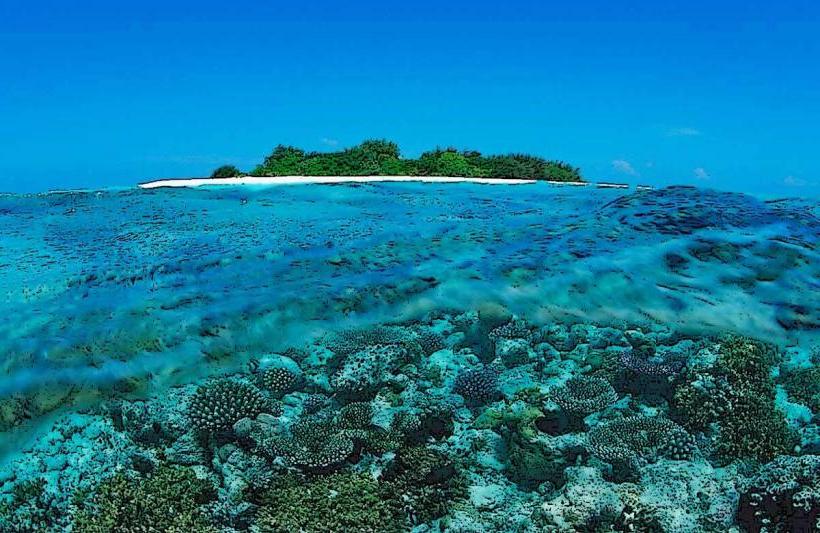
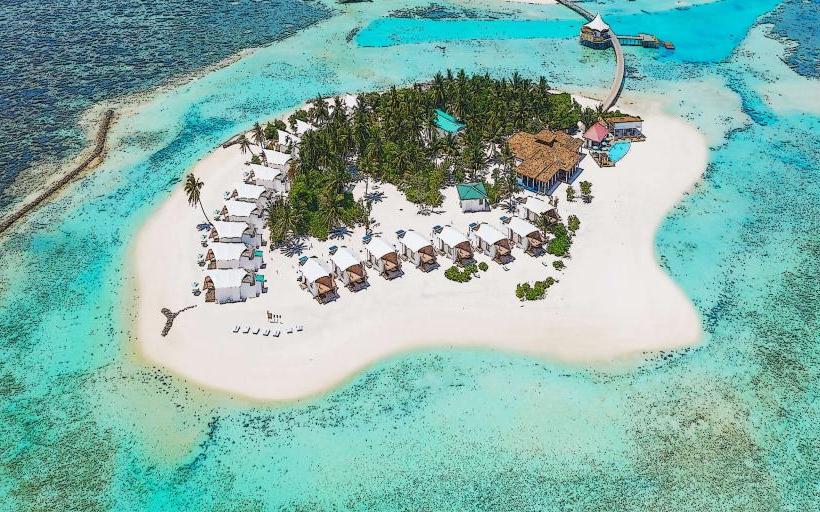
Baengena Island consists of a crescent-shaped sandbar. The sand is fine-grained and light in color. Vegetation is limited to a few hardy shrubs and grasses that have established themselves on the higher sections of the sandbank. The surrounding water is clear, with visibility typically exceeding 10 meters.
Location & Access Logistics
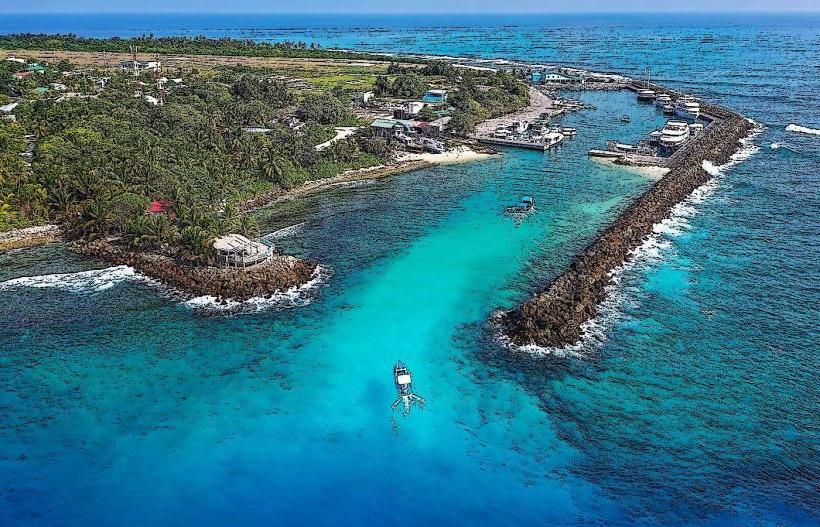
Access to Baengena Island is exclusively by boat from Fuvahmulah. Local boat operators can be hired at the Fuvahmulah harbor. The journey takes approximately 10-15 minutes. There is no designated parking on Baengena Island, as it is uninhabited. No public transport services operate directly to the island.
Historical & Ecological Origin
Baengena Island is a natural accumulation of coral sand and debris, a common geomorphological feature in the Maldives. Its formation is a result of prevailing ocean currents and wave action depositing sediment over time. Ecologically, it serves as a resting point for migratory birds and a potential nesting site for sea turtles.
Key Highlights & Activities
Activities on Baengena Island are limited to beachcombing and observing marine life from the shore. Snorkeling is possible in the shallow waters surrounding the island, particularly on the western side where coral formations are present. Birdwatching is also an option, especially during migratory seasons.
Infrastructure & Amenities
There are no permanent infrastructure or amenities on Baengena Island. Visitors should bring all necessary supplies, including water and food. There are no restroom facilities. Cell phone signal is generally weak to non-existent.
Best Time to Visit
The best time of day for photography is during the early morning or late afternoon when the sun angle is lower, providing softer light. The dry season, from December to April, offers the most favorable weather conditions with minimal rainfall and calmer seas. High tide can reduce the visible sand area significantly.
Facts & Legends
Local folklore suggests that Baengena Island was once a larger landmass that was gradually eroded by the sea. Some older residents of Fuvahmulah recall stories of fishermen using the island as a temporary shelter during storms, though no permanent structures were ever built.
Nearby Landmarks
- Fuvahmulah Harbor (1.5km West)
- Fuvahmulah City Center (1.8km West)
- Thundi Beach (2.2km West)
- Dhoondigan Lake (3.1km Northwest)
- Hulhuvilaa Beach (4.5km Southwest)