Information
Landmark: Banski DvorCity: Banja Luka
Country: Bosnia and Herzegovina
Continent: Europe
Banski Dvor, Banja Luka, Bosnia and Herzegovina, Europe
Banski Dvor is a monumental cultural center and historic administrative palace located in the central square of Banja Luka. It serves as the city's primary venue for high-profile concerts, exhibitions, and official ceremonies.
Visual Characteristics
The building is a prime example of Neo-Renaissance architecture with Academic and Art Deco influences. Its facade is characterized by symmetrical rows of tall, arched windows, decorative pilasters, and a series of sculptures on the roofline. The interior is noted for its opulent salons, particularly the Grand Concert Hall, which features intricate stucco work, crystal chandeliers, and gold-leaf detailing. The building’s floor plan is shaped like the Cyrillic letter "П".
Location & Access Logistics
Address: Trg srpskih vladara 2, Banja Luka 78000.
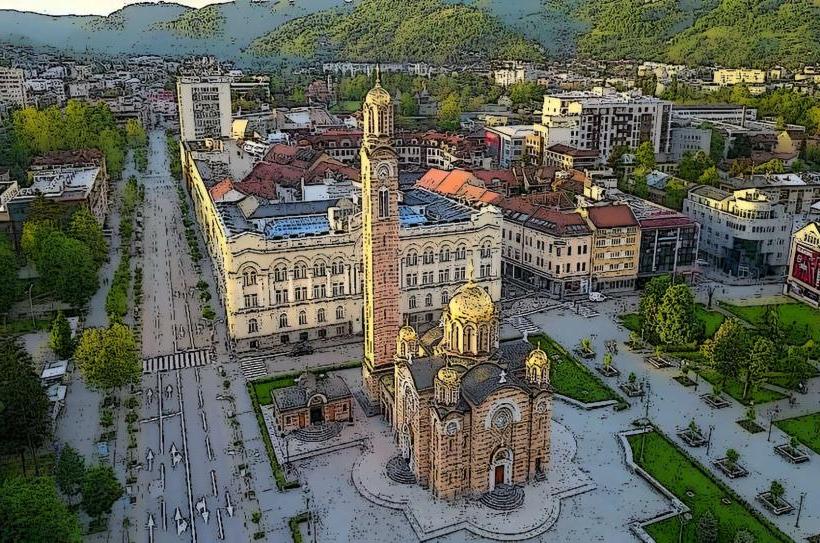
Access: It is situated directly across from the Presidential Palace and the Cathedral of Christ the Saviour in the main pedestrian zone.
Transit: Almost all city bus lines pass through the "Centar" stop located 100 meters away.
Parking: No on-site parking. Visitors typically use the public parking lots behind the Boska Department Store or the garage at Vidović Palace.
Historical & Ecological Origin
Constructed between 1931 and 1932, the palace was commissioned by Svetislav Tisa Milosavljević, the first Ban (governor) of the Vrbas Banovina. It was designed by architects Jovanka Bončić-Katerinić, Anđelija Pavlović, and Jovan Ranković. Originally built as the residence and administrative seat for the Ban, it was intended to transform Banja Luka from a provincial town into a modern European administrative center. It was heavily restored after sustaining damage during World War II and the 1969 earthquake.
Key Highlights & Activities
Grand Concert Hall: A 400-seat venue known for its superior acoustics, hosting international classical and jazz performers.
Exhibition Salons: The ground and first floors house multiple galleries for contemporary art, photography, and historical archives.
The Council Chamber: A preserved hall used for formal diplomatic meetings and cultural forums.
Ceremonial Entry: The grand staircase and foyer are frequent subjects for architectural photography.
Infrastructure & Amenities
Banski Dvor is a fully managed cultural institution with ticket offices, cloakrooms, and modern restrooms. The facility is climate-controlled and equipped with professional lighting and sound systems. While the historic upper floors are accessed via the main staircase, elevator access is available for people with disabilities. 4G/5G cellular signal is excellent.
Best Time to Visit
The building is typically open for exhibitions and tours from 09:00 to 22:00. The exterior is best viewed at night when the facade is illuminated by architectural spotlights. To experience the interior at its most functional, check the local cultural calendar for evening concerts or gallery openings.
Facts & Legends
Legend says that Ban Milosavljević was so determined to finish the building quickly that he frequently visited the construction site at night to personally supervise the masonry. The palace, along with the nearby Administration Building (Gradska uprava), was designed to be "twins," creating a symmetrical gateway to the city’s administrative heart.
Nearby Landmarks
Cathedral of Christ the Saviour – 0.05km West
Presidential Palace (Palace of the Republic) – 0.1km North
Petar Kočić Park – 0.2km South
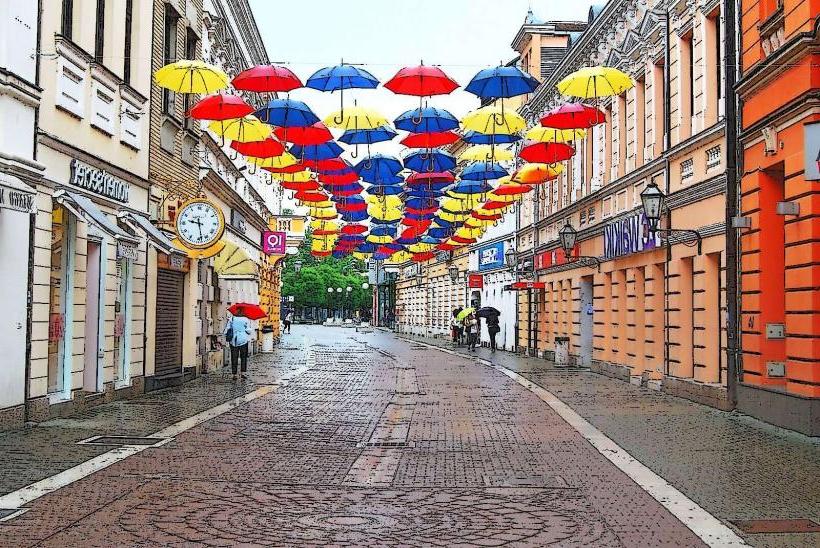
Gospodska Street – 0.1km South
National Theater of Republika Srpska – 0.4km North