Landmark: Bear Lake National Wildlife Refuge
City: Garden City
Country: USA Utah
Continent: North America
Bear Lake National Wildlife Refuge, Garden City, USA Utah, North America
Bear Lake National Wildlife Refuge is a protected area situated in southeastern Idaho, adjacent to the Utah border.
Visual Characteristics
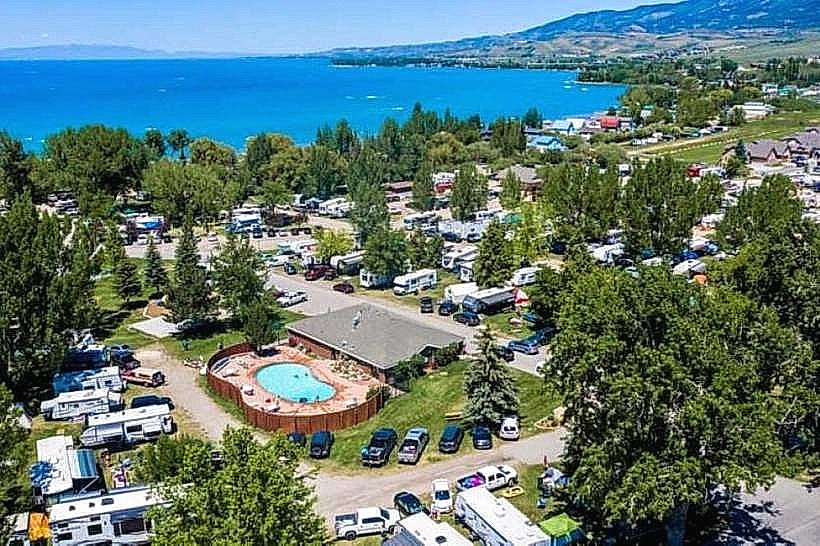
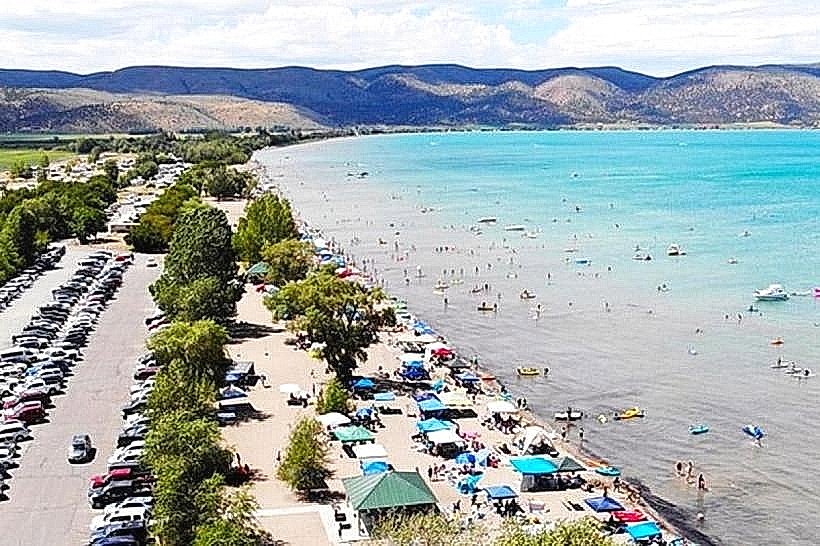
The refuge encompasses approximately 20,000 acres, primarily consisting of wetlands, marshes, and open water. The dominant water body is Bear Lake, known for its distinctive turquoise color due to dissolved limestone. Surrounding terrain includes sagebrush steppe and riparian zones. Vegetation includes cattails, bulrushes, and various grasses in wetland areas, transitioning to sagebrush and juniper in drier uplands.
Location & Access Logistics
The refuge is accessible via State Highway 30 in Idaho. The main entrance is located approximately 10 miles east of Garden City, Utah. Access points are marked with official signage. Parking is available at designated pull-offs and visitor areas. Public transport is not available to the refuge; personal vehicle is required.
Historical & Ecological Origin
Bear Lake is a natural freshwater lake formed by tectonic activity approximately 250,000 years ago. The Bear Lake National Wildlife Refuge was established in 1961 to protect migratory birds and their habitats. It is part of the larger Bear River Migratory Bird Refuge system.
Key Highlights & Activities
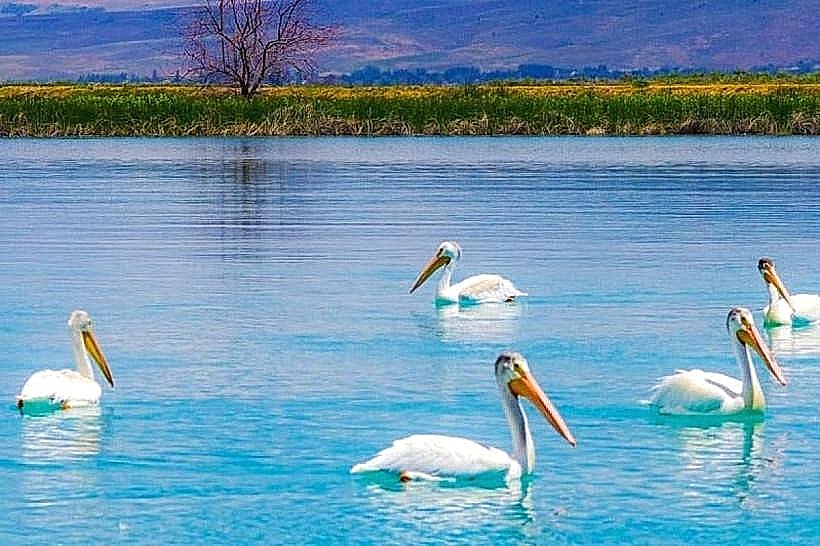
Birdwatching is a primary activity, with opportunities to observe waterfowl, shorebirds, and raptors. Photography of wildlife and the lake's unique color is possible. Limited hiking trails are available in specific sections of the refuge. Fishing is permitted in designated areas during specific seasons, requiring a valid Idaho fishing license.
Infrastructure & Amenities
Restrooms are available at the main visitor contact station. Limited shade is provided by natural vegetation. Cell phone signal is intermittent within the refuge boundaries, with 4G coverage being unreliable. No food vendors are present within the refuge; visitors should bring their own supplies.
Best Time to Visit
For birdwatching, the spring (April-May) and fall (September-October) migration periods offer the highest diversity of species. Sunrise and sunset provide optimal lighting conditions for photography. The lake's color is most pronounced during daylight hours. Access may be limited during winter months due to snow.
Facts & Legends
The unique color of Bear Lake is attributed to the high concentration of calcium carbonate suspended in the water, which reflects light in a way that produces the turquoise hue. Local folklore sometimes attributes the color to mineral deposits from ancient volcanic activity, though geological studies confirm the limestone explanation.
Nearby Landmarks
- Bear Lake State Park (0.5km West)
- Garden City (10km West)
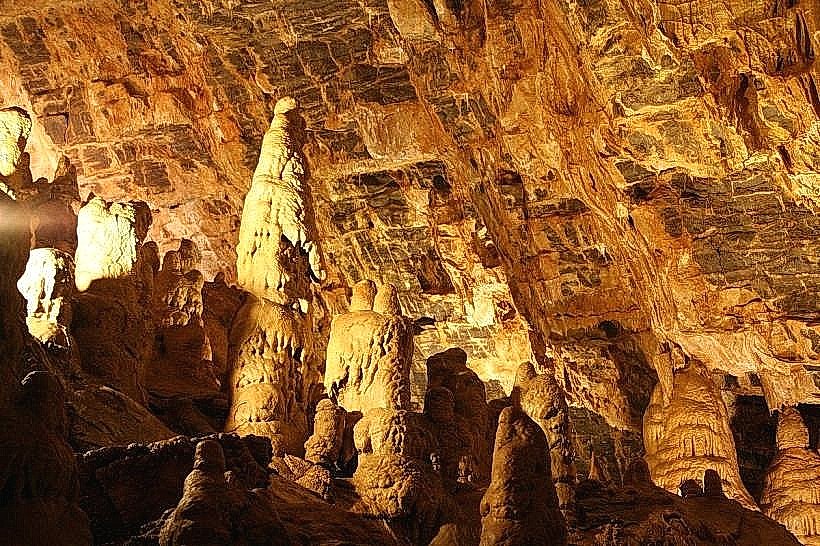
- Minnetonka Cave (15km North)
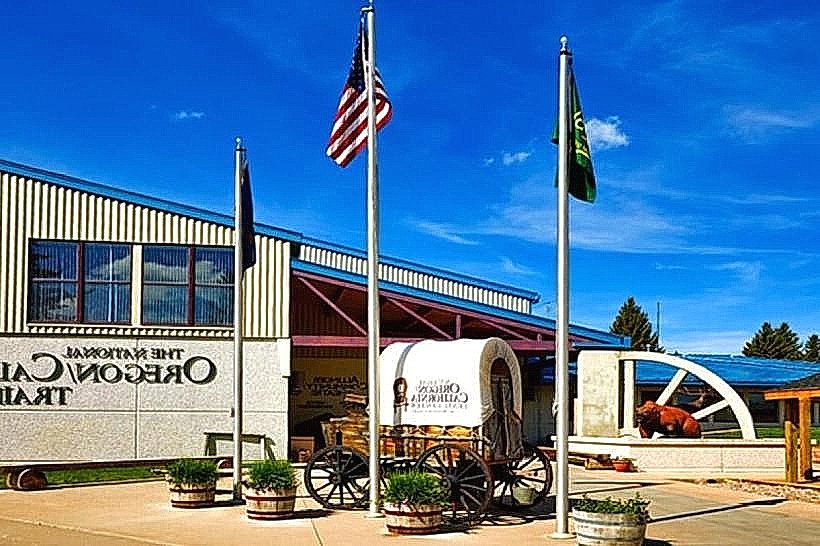
- Montpelier, Idaho (25km Northeast)