Landmark: Billy Frank Jr. Nisqually National Wildlife Refuge
City: Olympia
Country: USA Washington
Continent: North America
Billy Frank Jr. Nisqually National Wildlife Refuge, Olympia, USA Washington, North America
The Billy Frank Jr. Nisqually National Wildlife Refuge is a protected area located near Olympia, Washington, USA.
This refuge encompasses tidal estuaries and uplands, serving as a critical habitat for migratory birds and other wildlife.
Visual Characteristics
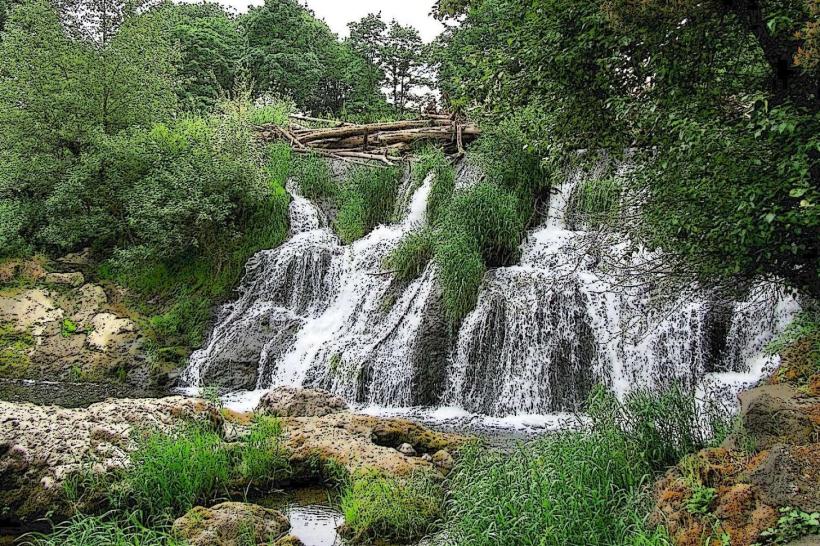
The refuge features extensive mudflats, salt marshes, and freshwater wetlands. Vegetation includes native grasses, sedges, and shrubs in the uplands, transitioning to salt-tolerant plants in the marsh areas. The Nisqually River delta forms a significant portion of the landscape, with water color varying from silty brown to clear depending on tidal flow and rainfall. Several miles of trails traverse the refuge, offering views of the varied habitats.
Location & Access Logistics
The refuge is situated approximately 10 miles northeast of Olympia, Washington. Access is via exit 114 off Interstate 5. Turn east onto Nisqually Road SE, then south onto Moxlie Road SE. The main entrance and visitor center are located at 14400 Moxlie Road SE. Ample parking is available at the visitor center and at trailheads. Public transportation options are limited; the nearest bus stop is several miles from the refuge entrance.
Historical & Ecological Origin
The refuge was established in 1974 to protect and manage migratory bird populations and their habitats. It is part of the Nisqually River Delta, a geologically significant area formed by glacial outwash and tidal action. The delta is a vital stopover point on the Pacific Flyway, supporting a diverse array of bird species.
Key Highlights & Activities
Visitors can walk the Twin Barns Nature Trail (1.2 miles roundtrip) and the Boardwalk Trail (1.1 miles roundtrip). Birdwatching is a primary activity, with opportunities to observe waterfowl, shorebirds, and raptors. Photography of wildlife and landscapes is also popular. Educational programs are offered periodically at the visitor center.
Infrastructure & Amenities
The refuge has a visitor center with restrooms and educational exhibits. The Boardwalk Trail is wheelchair accessible. There are picnic tables available near the visitor center. Cell phone signal is generally available within the visitor center area but can be intermittent along trails. No food vendors are located within the refuge; visitors should bring their own provisions.
Best Time to Visit
For birdwatching, the fall and spring migration seasons (September-November and March-May) offer the highest diversity of species. The best time of day for photography is generally early morning or late afternoon when light is softer. High tide is optimal for viewing shorebirds on the mudflats, while low tide exposes more of the mudflats for foraging. Summer months are suitable for observing resident species and enjoying the trails.
Facts & Legends
The refuge is named in honor of Billy Frank Jr., a Nisqually tribal leader and environmental activist. A unique aspect of the refuge is the presence of the Nisqually Indian Tribe's historical village site, which is protected within the refuge boundaries. Visitors should stay on marked trails to avoid disturbing sensitive habitats and historical areas.
Nearby Landmarks
- Mount Rainier National Park (40km Southeast)
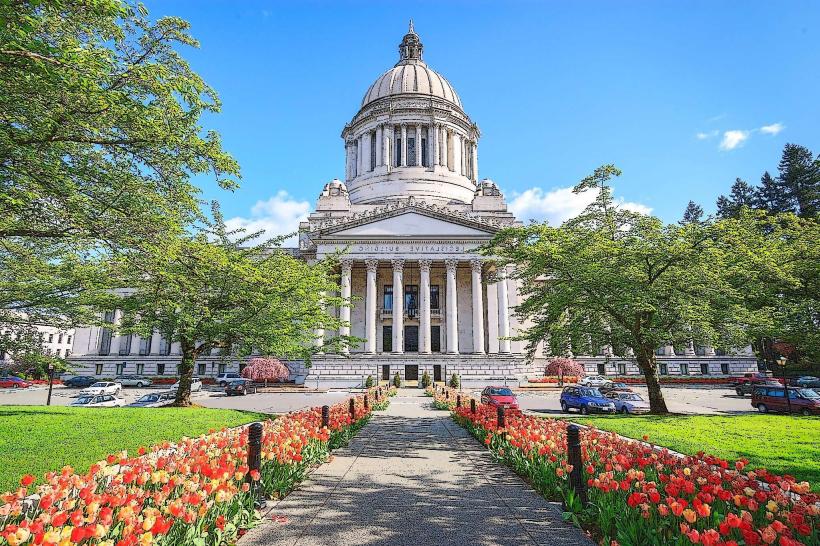
- Washington State Capitol Building (12km Southwest)
- Northwest Trek Wildlife Park (25km West)
- Kopachuck State Park (30km Northwest)
- Fort Lewis Museum (8km Southwest)