Landmark: Burundi Coffee Plantations
City: Ngozi
Country: Burundi
Continent: Africa
Burundi Coffee Plantations, Ngozi, Burundi, Africa
The Burundi Coffee Plantations in Ngozi Province, Burundi, represent a significant agricultural landscape focused on Arabica coffee cultivation.
This region is characterized by rolling hills and fertile soil, supporting the growth of coffee plants.
Visual Characteristics
The landscape is dominated by rows of coffee bushes, typically reaching 1.5 to 2 meters in height. Leaves are dark green and glossy. During harvest season, the bushes are laden with red coffee cherries. The soil is generally dark brown to reddish-brown. Altitude ranges from approximately 1,500 to 2,000 meters above sea level.
Location & Access Logistics
The coffee plantations are situated in Ngozi Province, approximately 100 kilometers north of Bujumbura, the former capital. Access is primarily via the RN1 highway, transitioning to provincial roads leading into the plantation areas. Specific plantation access points vary. There is no dedicated public transport directly serving the plantations; private vehicles or hired taxis are the most common modes of access. Parking is informal and available at designated points within larger estates or along access roads.
Historical & Ecological Origin
Coffee cultivation in Burundi began in the early 20th century under Belgian colonial administration. The focus was on establishing export-oriented cash crops. The ecological origin is the fertile volcanic soil of the East African Rift, ideal for Arabica varietals due to its altitude and climate.
Key Highlights & Activities
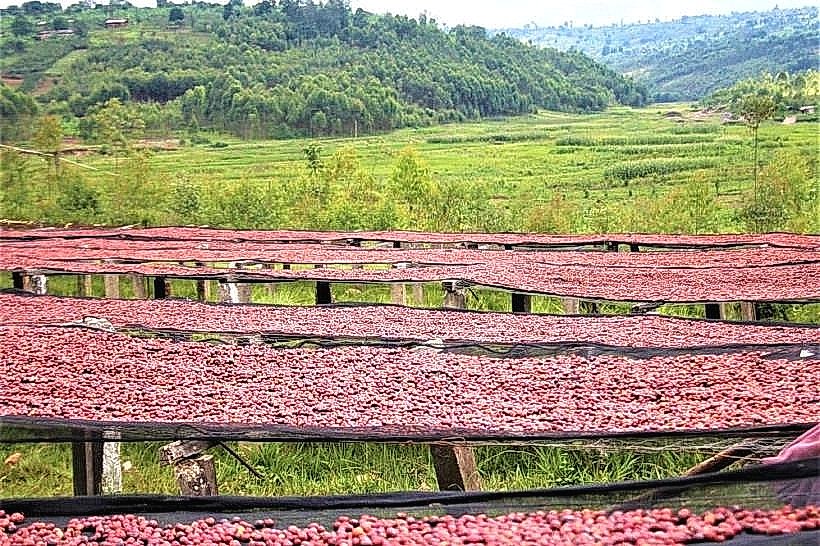
Visitors can observe the coffee cultivation process from plant to cherry. Opportunities exist to witness coffee cherry picking during harvest season (typically June to September). Some larger estates offer guided tours detailing the washing, drying, and processing stages. Coffee tasting sessions may be available at select facilities.
Infrastructure & Amenities
Basic infrastructure within the plantations is limited to agricultural facilities. Restrooms are generally available at larger processing centers or visitor reception areas. Shade is provided by the coffee plants themselves and interspersed shade trees. Cell phone signal can be intermittent, with 4G coverage varying by location. Food vendors are not typically found directly within the plantations; options are more common in nearby towns like Ngozi.
Best Time to Visit
The best time for visual observation of the coffee plants is during the dry season, from June to August, when the cherries are ripening. The harvest season, from June to September, offers the most activity. For optimal weather, the months of June, July, and August are recommended, with cooler temperatures and less rainfall.
Facts & Legends
Burundi is one of the smallest coffee-producing nations, yet its coffee is highly regarded for its quality, often fetching premium prices on the international market due to its unique flavor profile attributed to the Bourbon varietal and the specific terroir.
Nearby Landmarks
- Ngozi City Center (5km Southwest)
- Lake Tanganyika (approx. 120km Southwest)
- Rusizi National Park (approx. 130km Southwest)