Information
Landmark: Calvin University’s Ecosystem Preserve and Native GardensCity: Grand Rapids
Country: USA Michigan
Continent: North America
Calvin University’s Ecosystem Preserve and Native Gardens, Grand Rapids, USA Michigan, North America
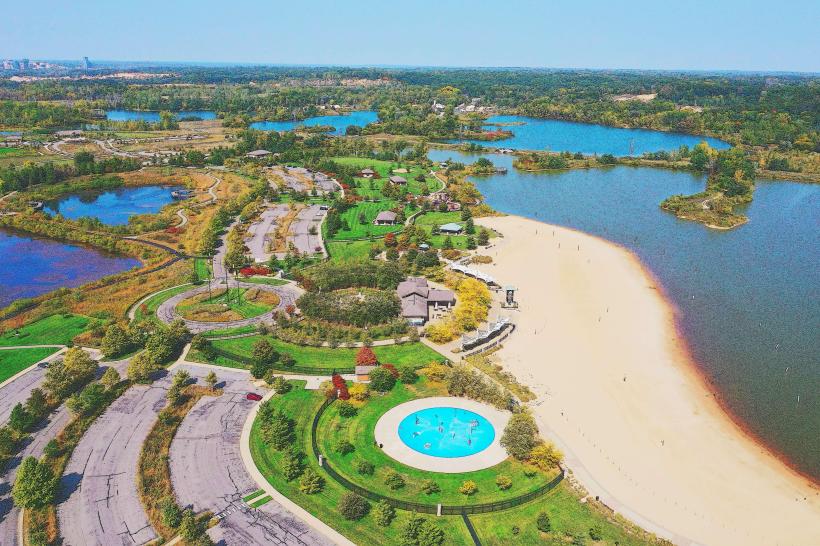
Calvin University’s Ecosystem Preserve and Native Gardens is a 104-acre natural area located within the city limits of Grand Rapids, Michigan.
Visual Characteristics
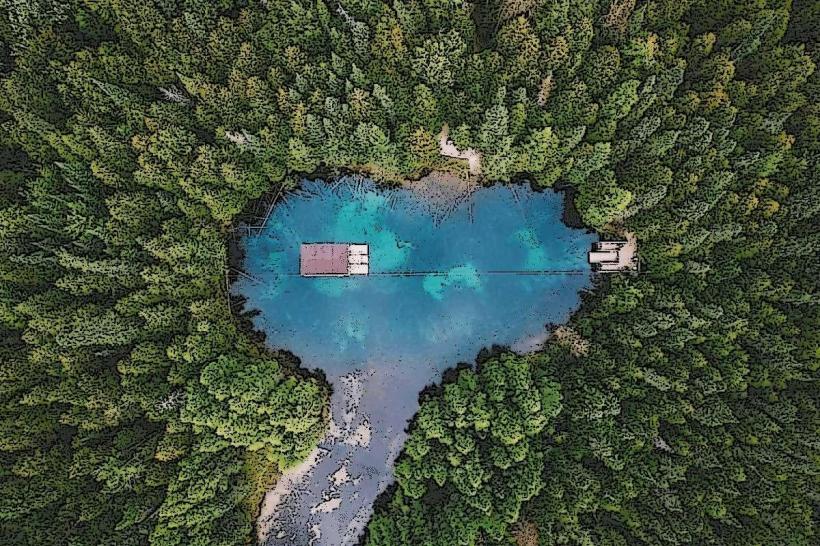
The preserve features a diverse landscape including deciduous woodlands, wetlands, and prairie remnants. Dominant tree species include oak, maple, and hickory. The native gardens showcase a variety of flowering plants, grasses, and shrubs adapted to the local climate. Wetland areas contain emergent vegetation and water bodies.
Location & Access Logistics
The preserve is situated approximately 10 kilometers east of downtown Grand Rapids. Access is via East Beltline Avenue SE, with a dedicated entrance and parking lot located off Plymouth Avenue SE. Public transport options are limited; the nearest bus route (Line 14) stops approximately 1.5 kilometers south of the preserve entrance.
Historical & Ecological Origin
The land was acquired by Calvin University in the late 20th century for ecological research and preservation. It represents a remnant of the original presettlement landscape of West Michigan, characterized by oak-hickory forests and prairie openings. The native gardens were established to demonstrate and conserve regional flora.
Key Highlights & Activities
Visitors can engage in self-guided walks on marked trails, including the 2.5-kilometer Woodland Loop and the 1.8-kilometer Prairie Path. Birdwatching is a common activity due to the variety of habitats. Educational programs and volunteer opportunities are sometimes available through the university.
Infrastructure & Amenities
A small parking lot is available at the main entrance. There are no permanent restroom facilities within the preserve itself, though portable toilets may be present during specific events. Shade is provided by the tree canopy. Cell phone signal (4G) is generally available but can be intermittent in denser wooded areas. No food vendors are located on-site; nearest services are approximately 2 kilometers west.
Best Time to Visit
For optimal viewing of wildflowers and insect activity, late spring through early autumn (May to September) is recommended. Early morning or late afternoon provides the best natural light for photography. The preserve is accessible year-round, with winter offering opportunities for tracking animal signs.
Facts & Legends
A specific geological feature within the preserve is a small esker, a long, winding ridge of stratified sand and gravel, deposited by a retreating glacier. This landform is a direct indicator of the region's glacial history.
Nearby Landmarks
- Kentwood City Hall (2.1km South)
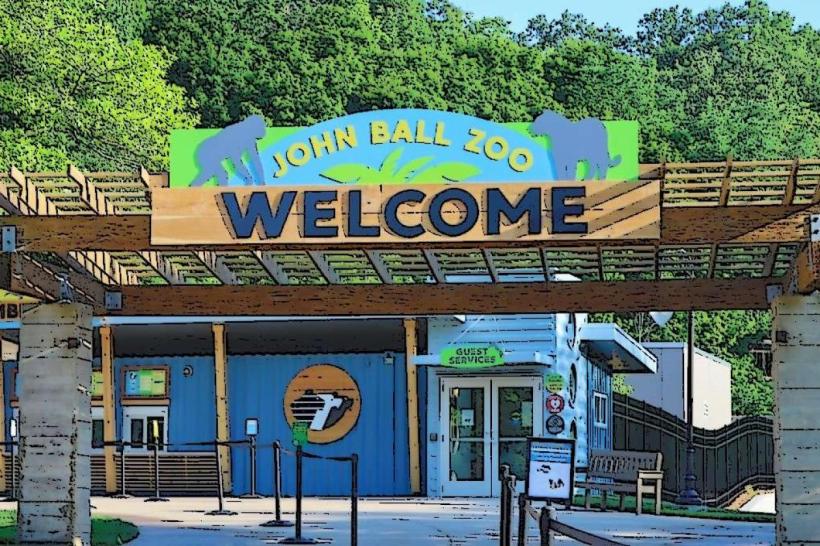
- John Ball Zoo (4.5km West)
- Frederik Meijer Gardens & Sculpture Park (3.8km Northwest)
- Gerald R. Ford Presidential Museum (9.8km West)