Landmark: Castle of Tomar
City: Tomar
Country: Portugal
Continent: Europe
Castle of Tomar, Tomar, Portugal, Europe
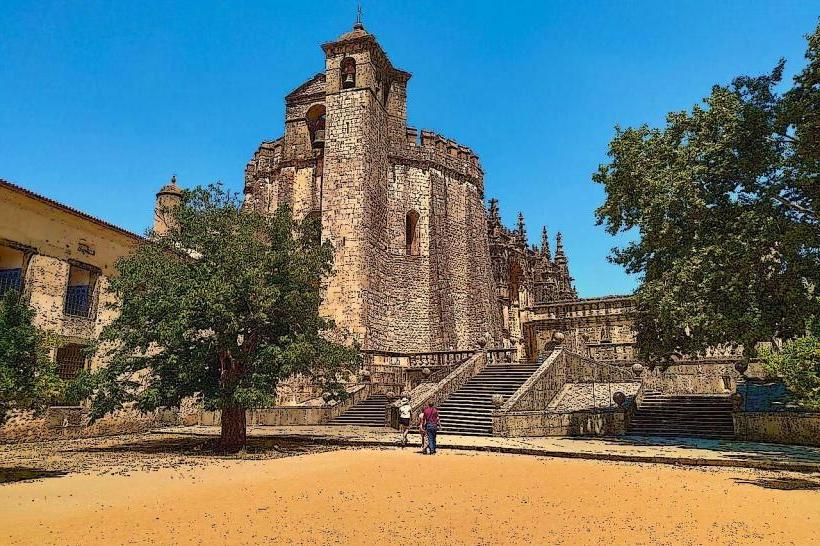
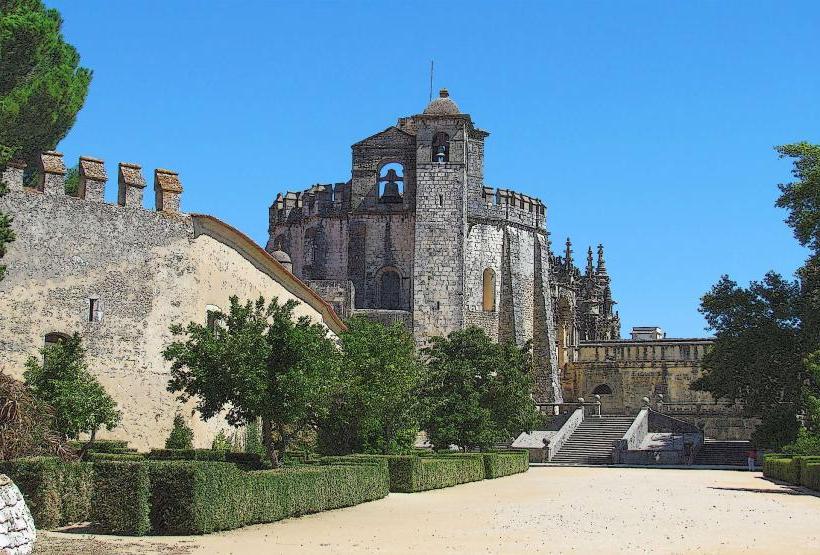
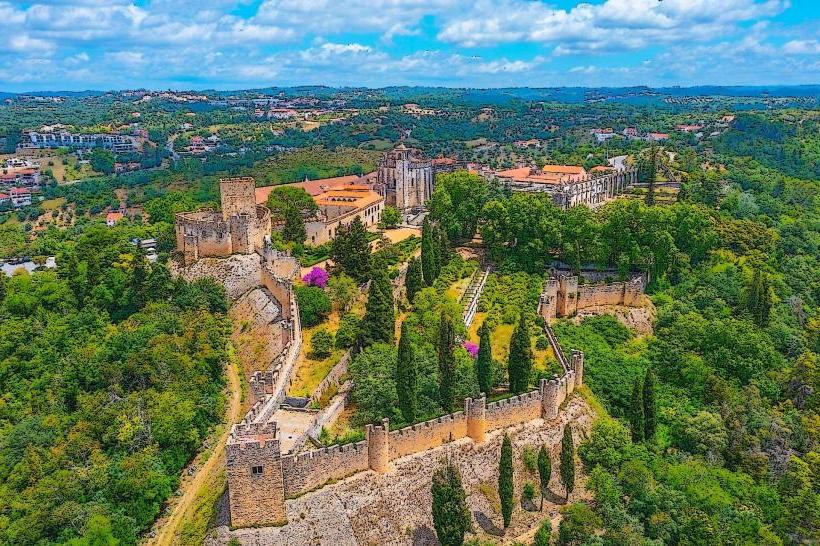
The Castelo de Tomar is a 12th-century military fortification located on a strategic limestone ridge overlooking the city of Tomar in central Portugal. It was established as the primary stronghold for the Knights Templar in the country and forms the protective outer perimeter for the Convent of Christ.
Visual Characteristics
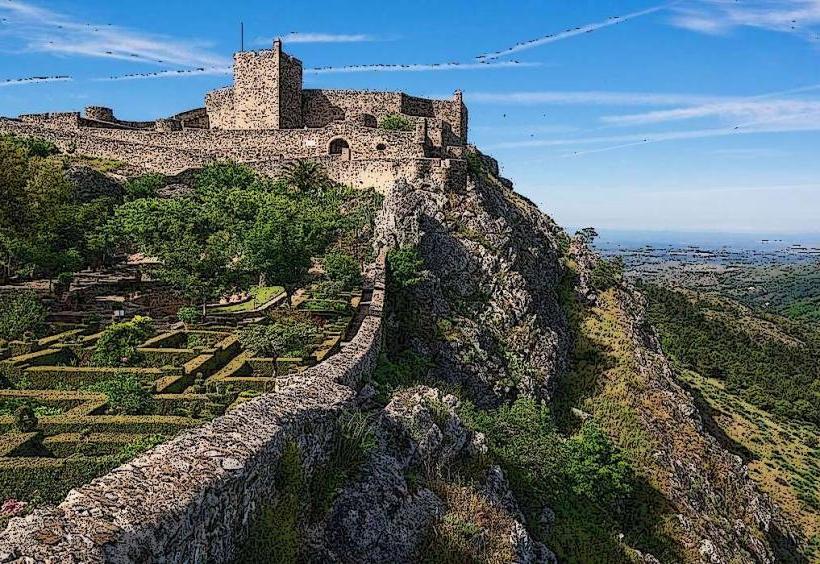
The fortress is characterized by its high masonry walls, rounded corner towers, and a massive square keep (donjon) built from local limestone and mortar. Its most distinctive feature is the albarrana tower-a defensive tower detached from the main wall but connected by a bridge. The architecture is primarily Romanesque military style, featuring narrow arrow slits and crenellated battlements that follow the irregular contours of the hill.
Location & Access Logistics
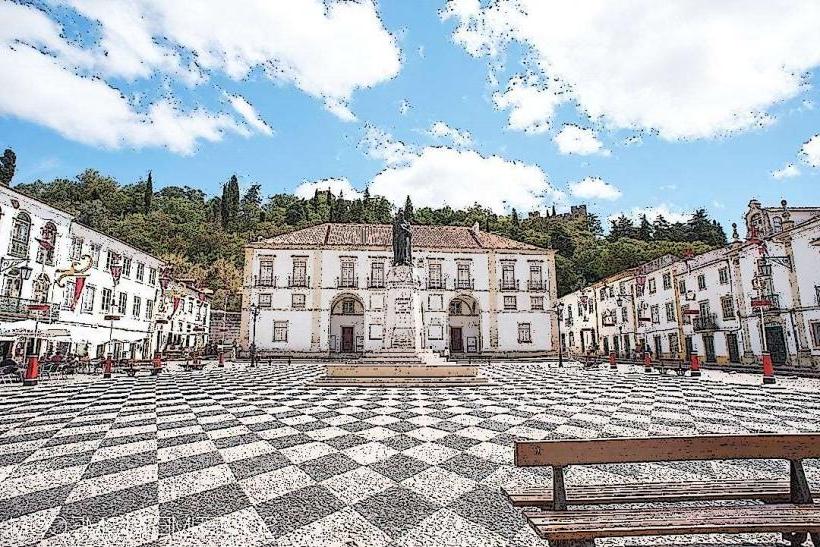
The castle is situated at the top of the Colina do Castelo, approximately 1.5km west of the Tomar city center. Access by car is via the Estrada do Convento, which leads to a paved parking area at the main entrance. Pedestrians can reach the site by a steep climb through the Mata dos Sete Montes or the historic stairs starting at Praça da República. The city is served by the Linha do Norte regional trains and Rede Expressos buses.
Historical & Ecological Origin
Construction began on March 1, 1160, under the direction of Gualdim Pais, the Grand Master of the Templars. It was designed to serve as a key defensive link in the "Linha do Tejo" during the Christian Reconquista against the Almohad Caliphate. The castle is built upon a geological foundation of Jurassic limestone, with the surrounding vegetation consisting of Mediterranean oak, cypress, and olive trees.
Key Highlights & Activities
Visitors can walk the length of the southern ramparts for views of the Nabão River and the city below. Exploration of the central keep and the "Porta do Sangue" (Blood Gate) is permitted. The castle serves as the entry point to the Charola and the wider UNESCO complex, and the exterior gardens offer designated paths for topographical study of medieval siege defenses.
Infrastructure & Amenities
Public restrooms and a modern reception area with a ticket office are located within the castle's western entrance. The site has 5G cellular coverage throughout the courtyards. While the gardens and main walkways are relatively level, the wall sections and towers require climbing steep, uneven stone steps. Food services are available at the cafeteria within the adjacent convent.
Best Time to Visit
The best time for photography is in the early morning when the sunlight strikes the eastern walls and the keep. The site is open daily from 09:00 to 18:00 (winter) or 18:30 (summer). Spring is the optimal season for weather, as the stone courtyards can reach high temperatures during July and August.
Facts & Legends
The castle is famous for successfully withstanding a massive siege by the Almohad Caliph Abu Yusuf Yaqub al-Mansur in 1190; the "Blood Gate" is named after the fierce combat that took place there during the assault. A local secret involves the "secret" tunnels allegedly connecting the castle keep to the riverbank, intended for water supply or escape during prolonged sieges.
Nearby Landmarks
Convent of Christ – 0.01km West (integrated)
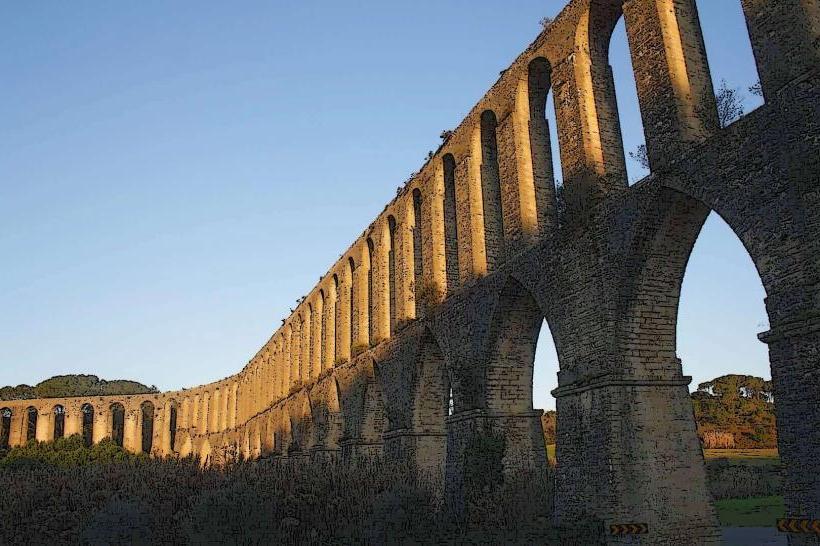
Aqueduto dos Pegões – 2.2km West
Mata dos Sete Montes – 0.1km East
Igreja de São João Baptista – 0.6km East
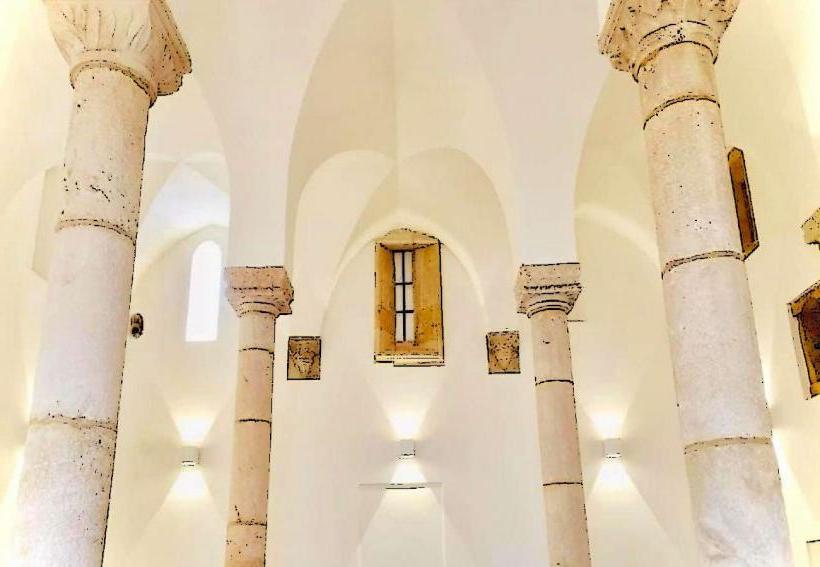
Sinagoga de Tomar – 0.7km East