Landmark: Cueva del Guácharo
City: Merida
Country: Venezuela
Continent: South America
Cueva del Guácharo, Merida, Venezuela, South America
Cueva del Guácharo is a cave system located in the Caripe municipality of Monagas State, Venezuela. It is primarily known for its large population of oilbirds (Steatornis caripensis).
Visual Characteristics
The cave entrance is a wide, arched opening in a limestone cliff face, approximately 10 meters high and 20 meters wide. Inside, the cave consists of large chambers and narrow passages. The rock formations are primarily stalactites and stalagmites composed of limestone. The floor is uneven, with sections of damp earth and rock. The primary color palette within the cave is grey and brown, with occasional white mineral deposits. The air is humid and has a distinct earthy odor.
Location & Access Logistics
Cueva del Guácharo is situated 12 kilometers from the town of Caripe. Access is via the National Highway 10 (Carretera Nacional 10) towards Caripe, then following local signage to the Parque Nacional El Guácharo. The journey from Maturín, the state capital, is approximately 100 kilometers. Parking is available at the visitor center located near the cave entrance. Public transport options include local buses from Maturín to Caripe, with onward taxi or mototaxi services to the park entrance.
Historical & Ecological Origin
The cave system was formed by the dissolution of soluble limestone rock over geological time, a process known as karstification. It is part of the Serranía del Interior mountain range. The cave was first documented by Alexander von Humboldt in 1799. Its primary ecological significance lies in its role as a breeding and roosting site for the oilbird, a nocturnal, fruit-eating bird unique to the region.
Key Highlights & Activities
Visitors can participate in guided tours that explore the main chambers of the cave. The tours are conducted by park rangers and follow designated pathways. Observation platforms are positioned to view the oilbirds, particularly during their evening emergence. Photography is permitted in designated areas, but flash is prohibited to avoid disturbing the birds. The main accessible section of the cave extends for approximately 1.5 kilometers.
Infrastructure & Amenities
A visitor center is located at the park entrance, offering information and ticketing. Restrooms are available at the visitor center. There are no food vendors directly at the cave entrance; however, small establishments are present in the nearby town of Caripe. Cell phone signal is generally weak to non-existent within the cave itself, but may be available near the visitor center. Shade is limited to the visitor center area and the immediate vicinity of the cave entrance.
Best Time to Visit
The best time of day to observe the oilbirds is during their evening emergence, typically between 6:00 PM and 7:00 PM. The dry season, from December to April, offers more favorable weather conditions for travel and exploration. The cave temperature remains constant year-round at approximately 24 degrees Celsius.
Facts & Legends
The oilbird gets its name from the high oil content of its chicks, which were historically harvested by local indigenous communities for lamp oil. A local legend suggests that the cave is inhabited by spirits that protect the oilbirds.
Nearby Landmarks
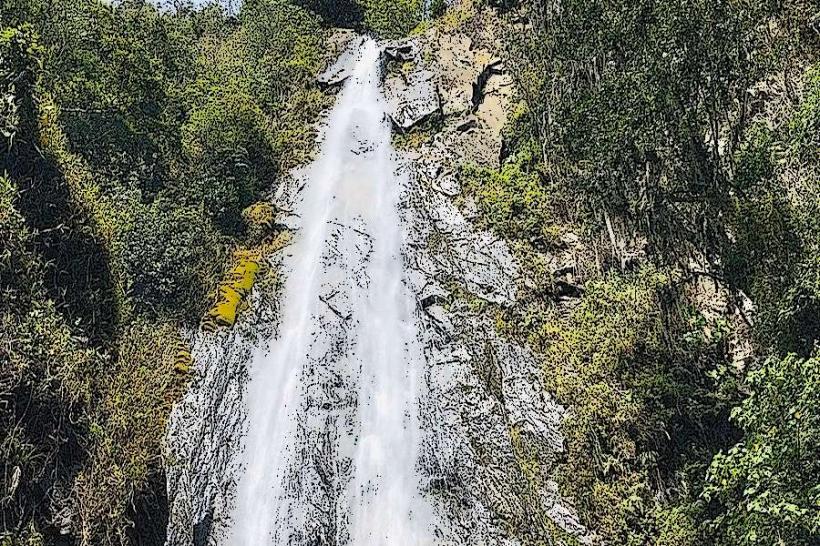
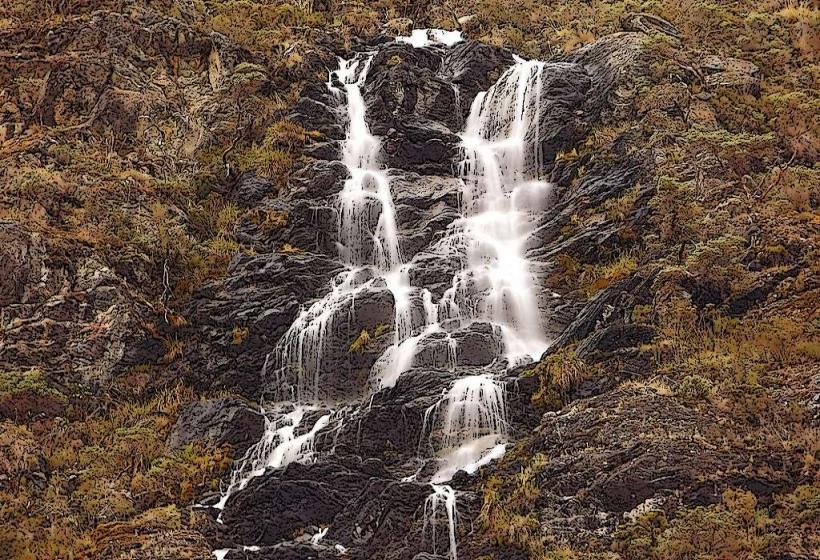
- Salto La Cascada (Waterfall) - 2km Southwest
- Cueva del Silencio (Cave of Silence) - 3km Northwest
- Parque Recreacional El Limón - 4km Southeast
- Caripe town center - 12km Southwest