Information
Landmark: Dara Ancient City RuinsCity: Mardin
Country: Turkey
Continent: Asia
Dara Ancient City Ruins, Mardin, Turkey, Asia
Dara Ancient City Ruins is an archaeological site located near Mardin, Turkey.
This historical settlement features extensive rock-cut structures and fortifications.
Visual Characteristics
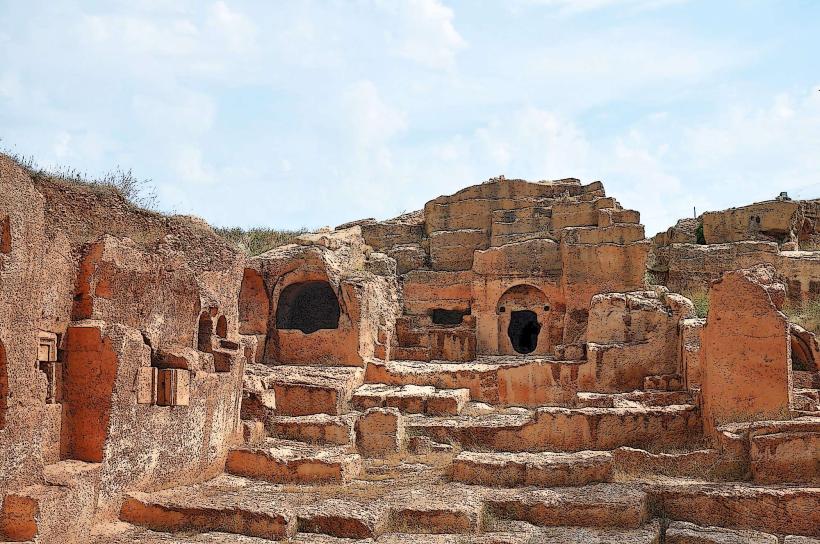
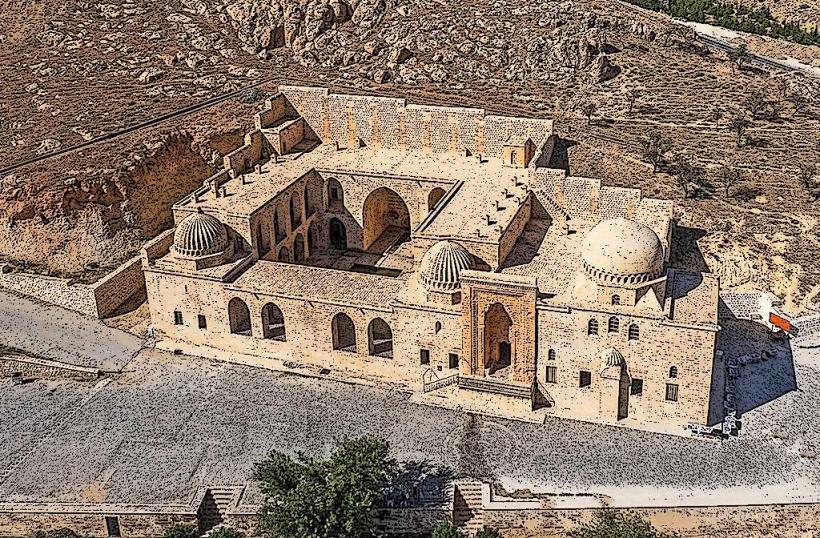
The ruins consist primarily of structures carved from limestone bedrock. Visible elements include cisterns, tombs, a church, a bridge, and a citadel. The stone exhibits a light to medium brown coloration. The citadel, situated on a higher elevation, overlooks the surrounding plains.
Location & Access Logistics
Dara Ancient City Ruins is situated approximately 30 kilometers southeast of Mardin city center. Access is via the D380 highway, turning onto a local road signposted for Dara. The site has a designated parking area. Public transport options to the immediate vicinity are limited; bus services typically run to Mardin city, requiring onward taxi or private vehicle transfer.
Historical & Ecological Origin
Dara was founded by the Roman Emperor Anastasius I in 505 AD as a fortified city on the eastern frontier of the Roman Empire. Its primary purpose was defense against the Sasanian Empire. The city was built into the natural rock formations of the region.
Key Highlights & Activities
Exploration of the rock-cut cisterns is possible. Visitors can examine the remains of the church and the bridge. The citadel offers a vantage point for observing the site and surrounding landscape. Walking tours of the excavated areas are available.
Infrastructure & Amenities
Basic restroom facilities are present at the site entrance. Limited shade is available within the excavated structures. Cell phone signal (4G) is generally available. Food vendors are not consistently present at the ruins; visitors should plan to bring provisions or eat in Mardin.
Best Time to Visit
For optimal lighting conditions for photography, early morning or late afternoon is recommended. The most favorable months for visiting are April to May and September to October, avoiding the extreme heat of summer. No specific tide requirements apply.
Facts & Legends
A notable feature is the large, multi-chambered cistern, capable of holding significant water reserves, demonstrating advanced Roman engineering for arid conditions. Local folklore suggests the city was a vital stop on ancient trade routes, though specific legends are not widely documented.
Nearby Landmarks
- Mardin Castle (15km Northwest)
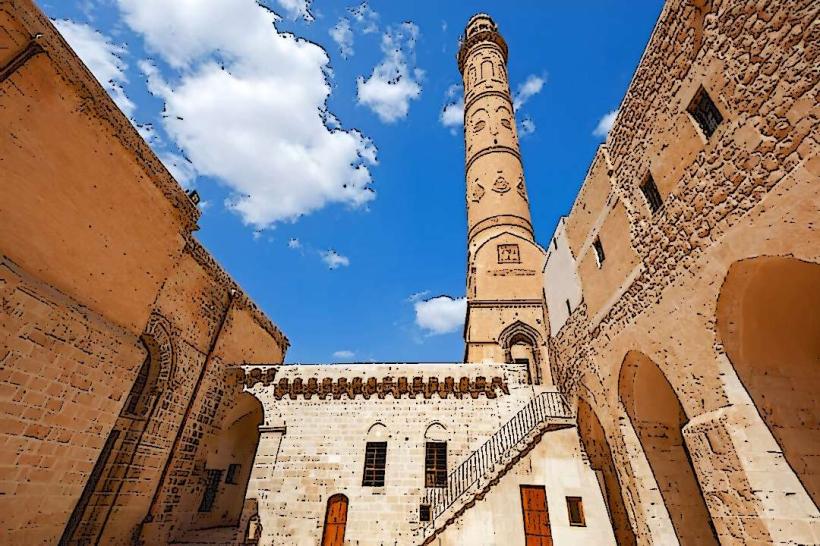
- Great Mosque of Mardin (16km Northwest)
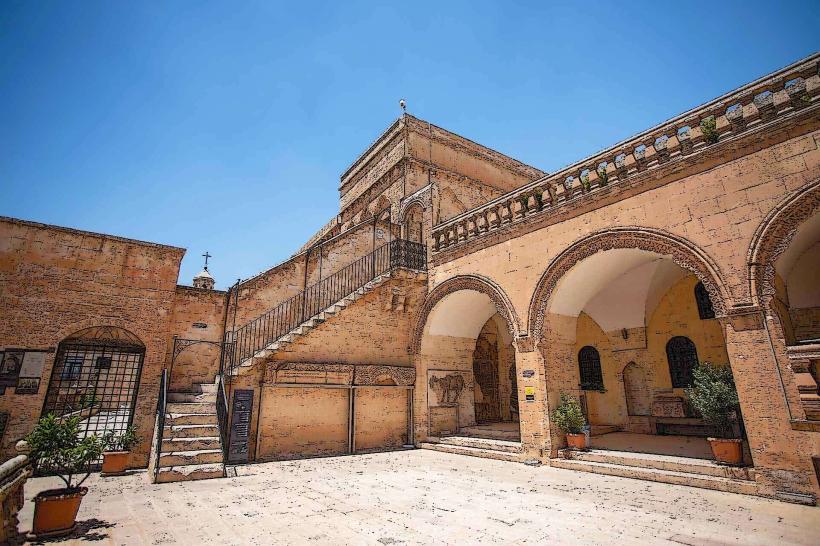
- Kasımiye Madrasah (16km Northwest)
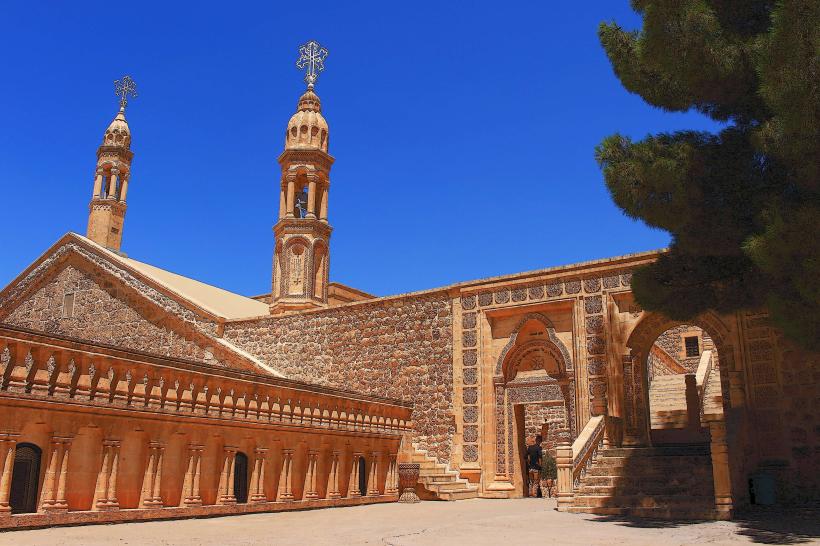
- Dayr al-Zafaran Monastery (20km Northwest)