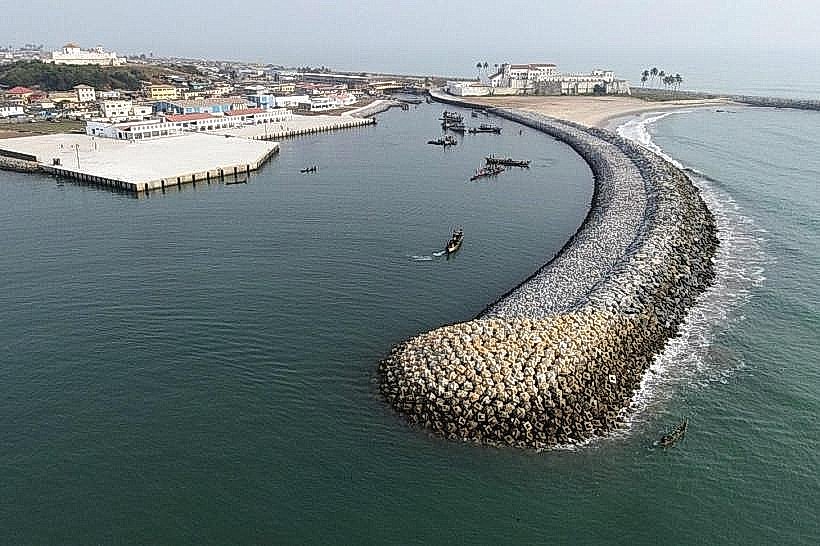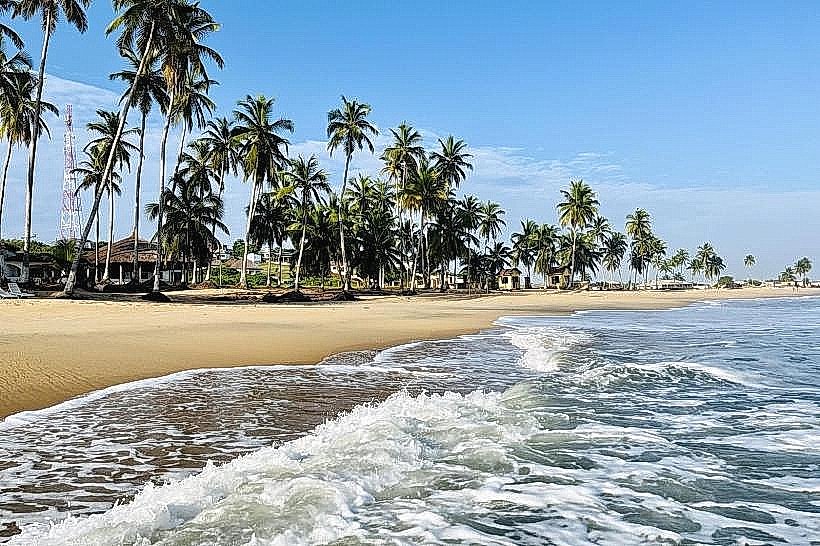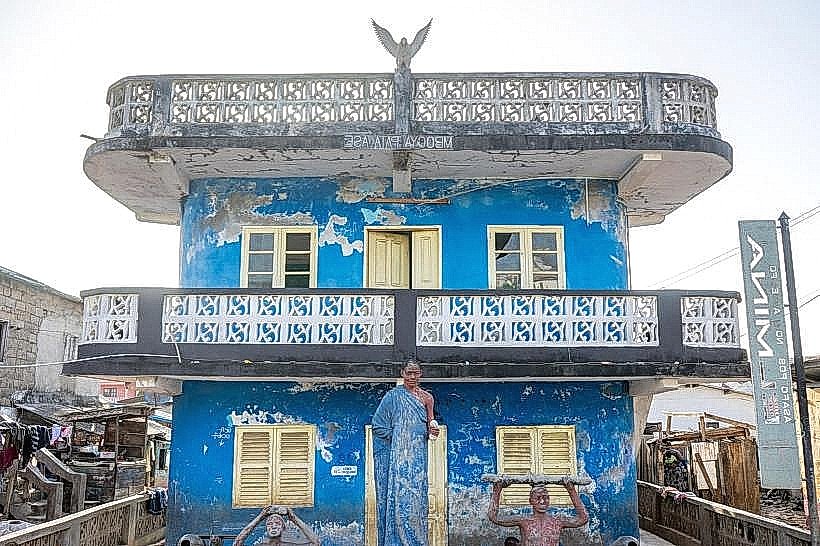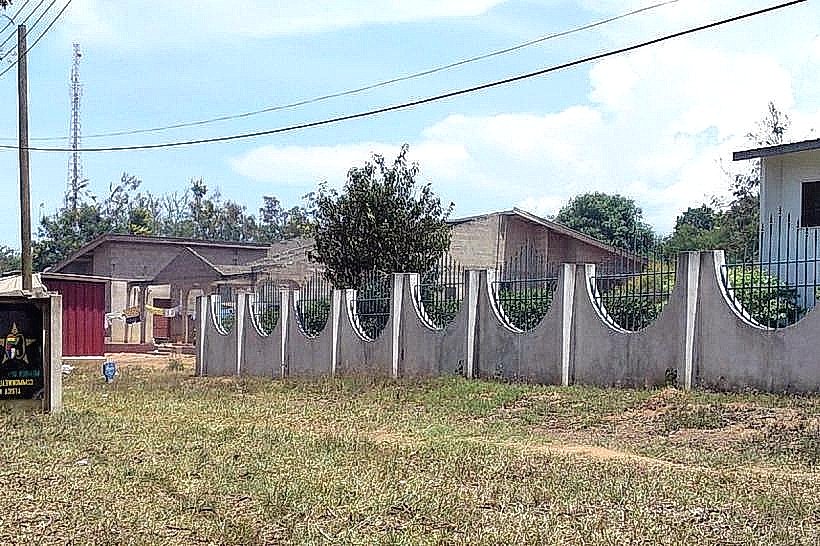
Landmark: Elmina Java Museum
City: Elmina
Country: Ghana
Continent: Africa
Elmina Java Museum, Elmina, Ghana, Africa
The Elmina Java Museum is a private historical institution located on Java Hill in Elmina, Ghana. It serves as a repository for the history of the Belanda Hitam, or Black Dutchmen-West African soldiers recruited to serve in the Royal Netherlands East Indies Army during the 19th century.
Visual Characteristics
The museum is housed in a single-story rectangular building constructed of stone and concrete with a corrugated metal roof. The exterior is painted off-white with dark trim, featuring a modest residential-style entrance. The interior consists of several small gallery rooms containing glass display cases, framed historical photographs, military uniforms, and Dutch colonial documents.
Location & Access Logistics
The site is situated at 61/21 Cape Coast-Takoradi Road on Java Hill, approximately 2km north of the Elmina town center. It is accessible via the N1 highway and a secondary paved road that ascends the hill. On-site parking is available for private vehicles. Public transport options include taxis or shared minibuses (tro-tros) departing from the Kotokuraba station in Cape Coast or the Elmina central market.
Historical & Ecological Origin
The museum was established in 2003 by the Edward A. Ulzen Memorial Foundation. It was founded to preserve the specific history of African soldiers, primarily from the Gold Coast, who were recruited between 1831 and 1872 to fight in the Java War and other conflicts in present-day Indonesia. The museum is located on land that has been held by the Ulzen family, descendants of these recruits, for generations.
Key Highlights & Activities
The museum offers guided tours detailing the 19th-century recruitment process and the subsequent return of veterans to Elmina. Permanent exhibits include replicas of 19th-century Dutch military uniforms, traditional Indonesian batik fabrics, and genealogies of Afro-Indonesian families. Visitors can examine rare letters and ship manifests documenting the voyage between West Africa and Southeast Asia.
Infrastructure & Amenities
The facility includes a reception area, basic restroom facilities, and a small visitor center. Limited shade is available on the exterior porch. 4G cellular signal is reliable throughout the hilltop location. While no food vendors are located on the museum grounds, several guesthouses and local eateries are situated within 0.5km on the main road.
Best Time to Visit
The museum is open Monday through Saturday from 9:00 AM to 5:00 PM, and Sundays from 12:00 PM to 5:00 PM. Mid-morning visits are optimal for interior viewing as the galleries rely largely on natural light. The most comfortable months for visiting are during the dry season from November to March, when humidity levels are lower for the uphill walk.
Facts & Legends
The museum is the first privately owned museum in Ghana. A specific historical oddity recorded here involves the "manumission certificates" issued by the Dutch to recruits who were originally enslaved; these documents were used to technically bypass British anti-slavery laws by transforming the status of the men into "voluntary" colonial soldiers before their embarkation to Java.
Nearby Landmarks
Fort Coenraadsburg (St. Jago): 0.8km South
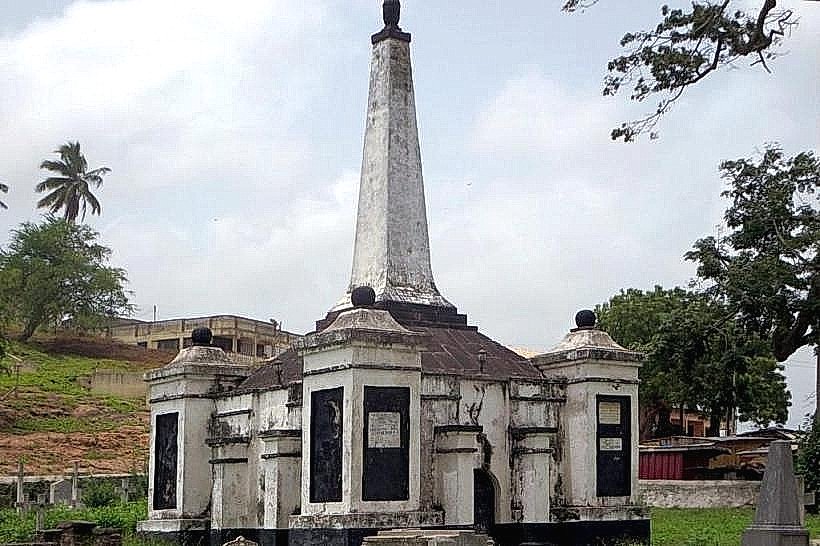
Dutch Cemetery: 0.9km South
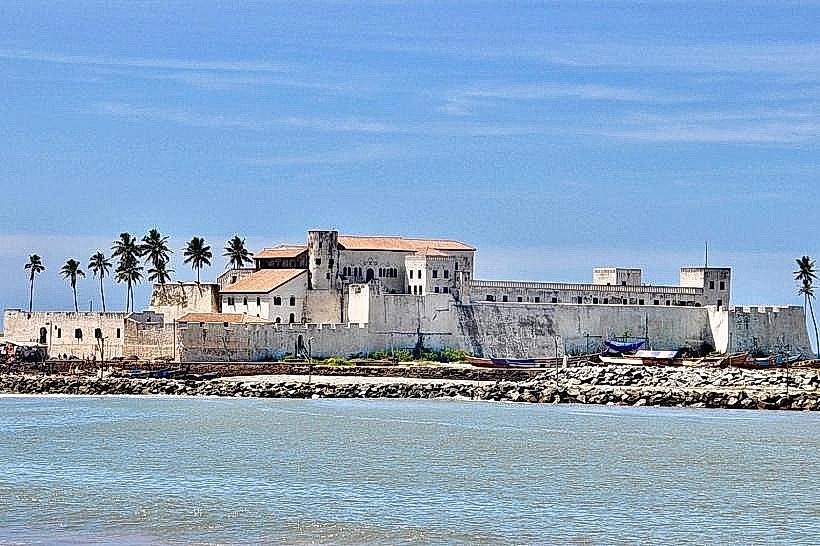
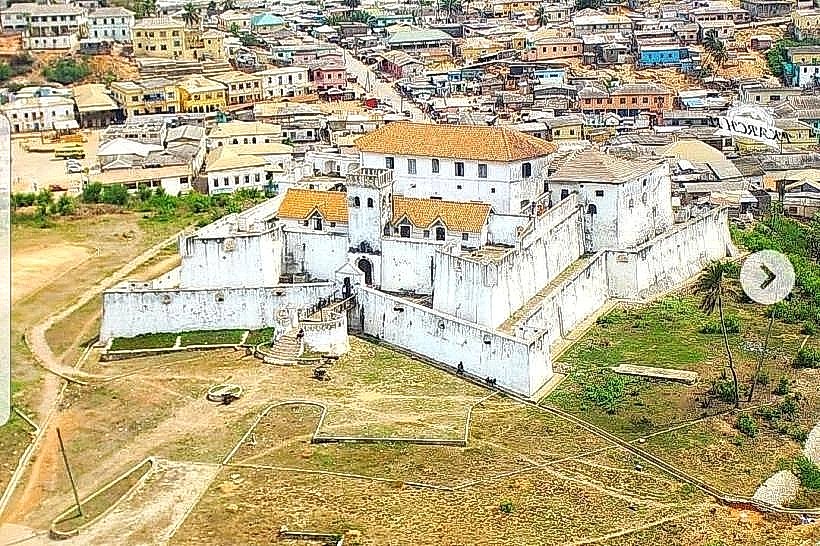
Elmina Castle (St. George's): 1.8km Southeast
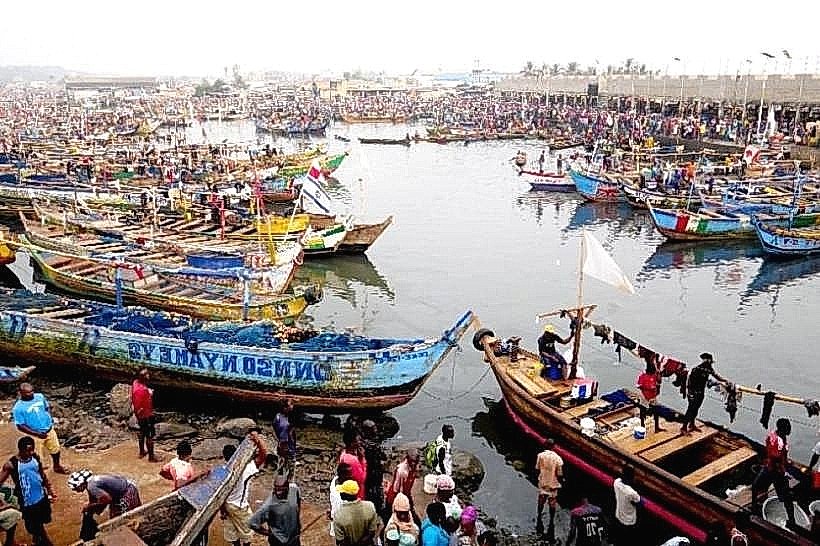
Benya Lagoon: 1.1km South
Asafo #1 Posuban Shrine: 1.5km South