Information
Landmark: Esplanadi ParkCity: Helsinki
Country: Finland
Continent: Europe
Esplanadi Park, Helsinki, Finland, Europe
Visual Characteristics
The park features a central gravel promenade flanked by lawns, flowerbeds, and rows of trees, primarily linden. It is approximately 400 meters long and 100 meters wide. Sculptures, including the Havis Amanda fountain, are positioned along its length. The park is bordered by neoclassical and Art Nouveau buildings.
Location & Access Logistics
Esplanadi Park is situated between Pohjoisesplanadi and Eteläesplanadi streets in central Helsinki. It is approximately 0.5 km from the Helsinki Central Railway Station. Public transport access includes tram lines 2, 3, 4, 6, 7, and 10, with stops directly adjacent to the park. Several bus lines also serve the area. Limited street parking is available on surrounding streets, with paid underground parking garages (e.g., Q-Park Stockmann) within a 0.2 km radius.
Historical & Ecological Origin
The park was established in 1812, following the city plan by Johan Albrecht Ehrenström. Its original purpose was to serve as a firebreak and a recreational promenade for the city's inhabitants. The design was influenced by European boulevards. It is a man-made urban park, not a natural ecological formation.
Key Highlights & Activities
Walking along the central promenade is a primary activity. Outdoor concerts and events are frequently held at the Esplanadi Stage (Espa Stage) during summer months. Observing the Havis Amanda statue and other sculptures is possible. Seating is available on park benches.
Infrastructure & Amenities
Public restrooms are available, particularly near the Market Square end. Ample shade is provided by mature trees along the promenades. Cell phone signal (4G/5G) is consistently strong throughout the park. Numerous cafes and restaurants are located on the bordering streets, offering food and beverage options.
Best Time to Visit
The park is accessible year-round. Summer months (June to August) offer the most pleasant weather for outdoor activities and events. Late spring (May) and early autumn (September) provide good conditions with fewer crowds. Photography is optimal during morning or late afternoon light for softer illumination of sculptures and architecture.
Facts & Legends
The Havis Amanda statue, unveiled in 1908, caused controversy due to its nudity, but it has since become a beloved symbol of Helsinki. A local tradition involves students gathering at the statue on Vappu (May Day) eve to place a student cap on her head.
Nearby Landmarks
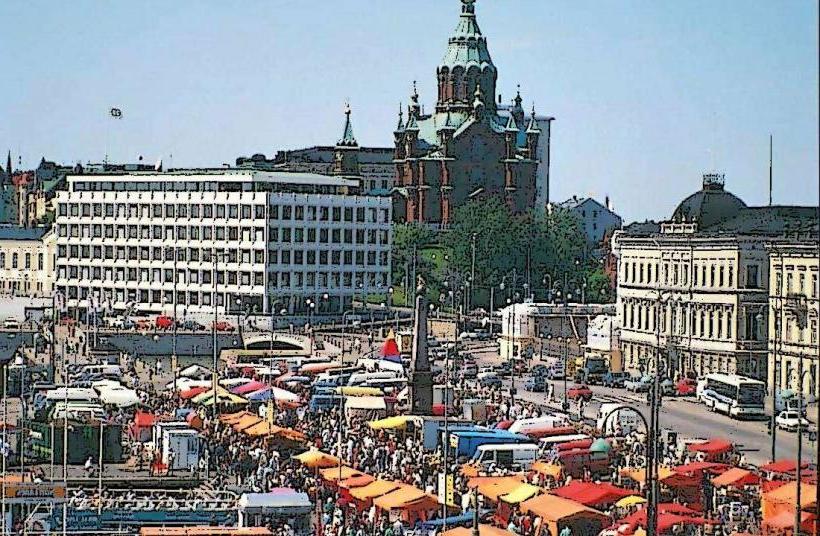
- Market Square: 0.1km East
- Old Market Hall: 0.2km Southeast
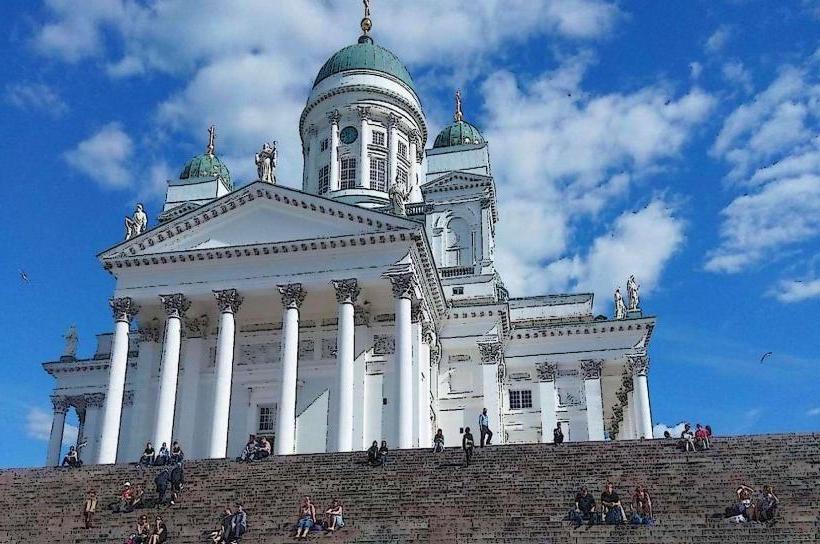
- Helsinki Cathedral: 0.5km North
- Senate Square: 0.5km North
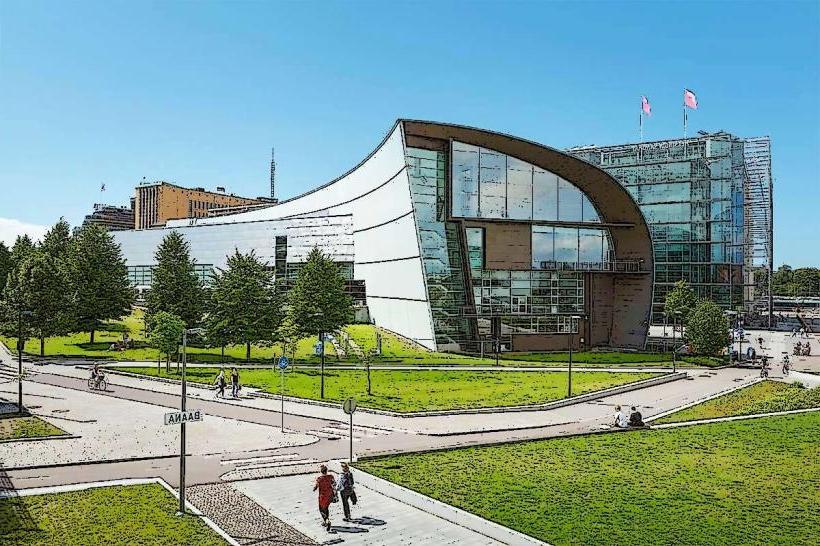
- Kiasma Museum of Contemporary Art: 0.8km Northwest