Landmark: Ethnographic Museum
City: Gjakova
Country: Kosovo
Continent: Europe
Ethnographic Museum, Gjakova, Kosovo, Europe
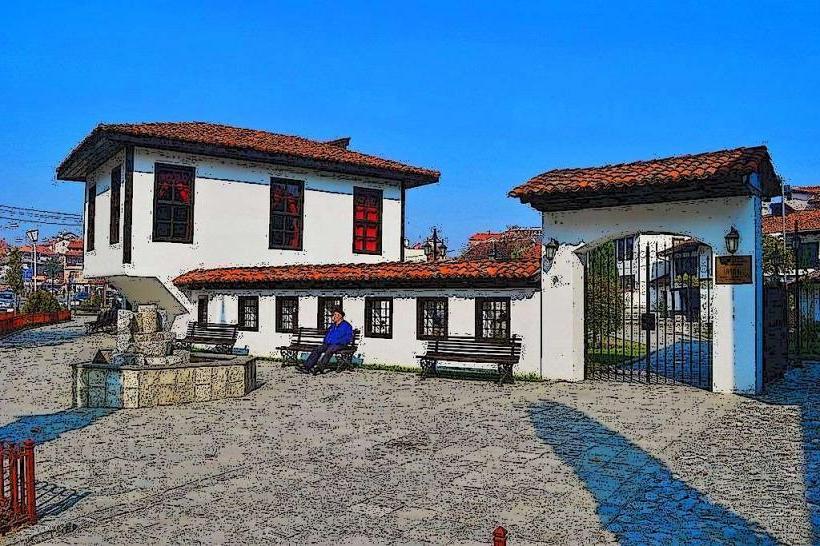
The Ethnographic Museum of Gjakova is a cultural heritage institution located in a restored 19th-century urban dwelling in the center of Gjakova. It is situated approximately 36 kilometers south of Peja and serves as the primary repository for the material history of the Dukagjin region.
Visual Characteristics
The museum is housed in a "çardak" type urban villa, characterized by a stone ground floor and a timber-framed upper floor with white-plastered walls. The exterior features wide wooden eaves, a red-tiled roof, and an enclosed courtyard (oborr) paved with cobblestones. Internally, the rooms are organized around a central hall, featuring dark wood ceiling carvings, built-in wardrobes (dolapi), and traditional floor seating arrangements.
Location & Access Logistics
The museum is located on Nënë Tereza Street, near the administrative center of Gjakova and the entrance to the Grand Bazaar. From Peja, access is via the R107 highway, a 45-minute drive. Public parking is available in the municipal lot across from the museum building. The site is a 10-minute walk from the main Gjakova bus station, where intercity lines from Peja and Prizren arrive frequently.
Historical & Ecological Origin
The building was originally a private residence constructed in the mid-1800s for a prominent local merchant family. It was converted into a museum in 1970 to preserve the traditional lifestyle and architectural styles of the Ottoman period in Kosovo. The structure underwent extensive conservation following the 1999 conflict to restore its original interior woodwork and structural integrity.
Key Highlights & Activities
Visitors can view a collection of over 1,700 artifacts, including traditional regional costumes, silver filigree jewelry, and historical agricultural tools. Guided tours explain the functional use of specific rooms, such as the guest room (oda) and the traditional kitchen. Photography is permitted within the courtyard and designated exhibit areas.
Infrastructure & Amenities
Restrooms are available for visitors within the museum complex. The thick stone walls and shaded courtyard provide a cool interior environment during the summer months. 5G cell phone signal is consistent throughout the premises. Numerous restaurants and coffee shops are located within a 200-meter radius in the surrounding city center.
Best Time to Visit
The museum is open Monday through Friday, from 08:00 to 12:00 and 13:00 to 16:00. The best time for photography of the exterior architecture is early morning when the sun illuminates the eastern facade. It is closed on weekends and during official public holidays.
Facts & Legends
The museum building is considered one of the finest surviving examples of the "Gjakova style" of civic architecture, which prioritized ventilation and natural light. A local detail is the "hidden" storage compartments built into the walls, which were historically used to protect family valuables during periods of regional instability.
Nearby Landmarks
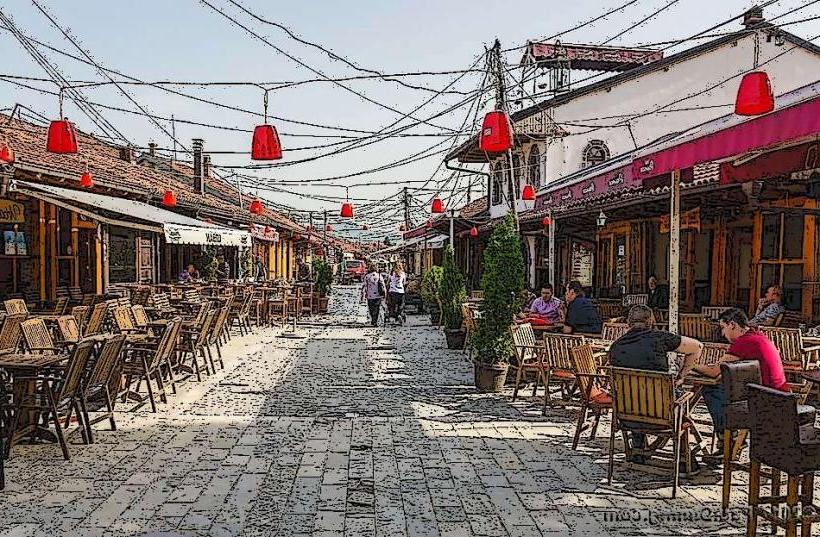
Gjakova Grand Bazaar – 0.3km West
Hadum Mosque – 0.4km Southwest
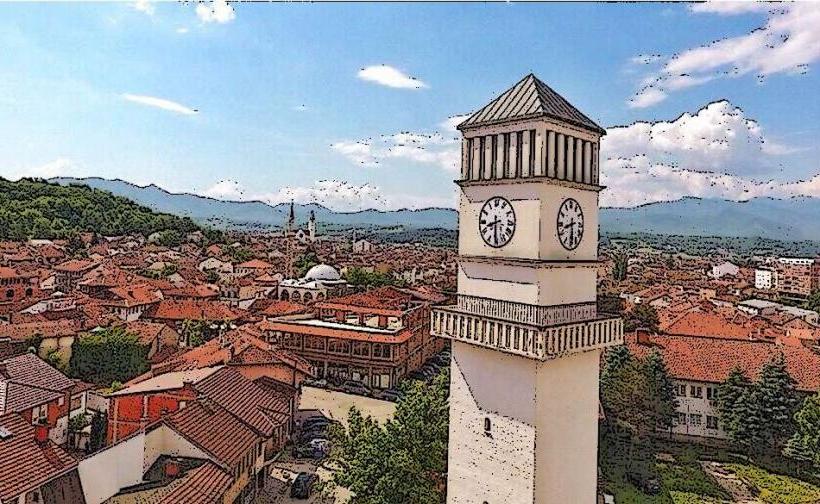
Clock Tower (Sahat Kulla) – 0.2km West
Saint Paul and Saint Peter Church – 0.5km South
Krena River – 0.3km West