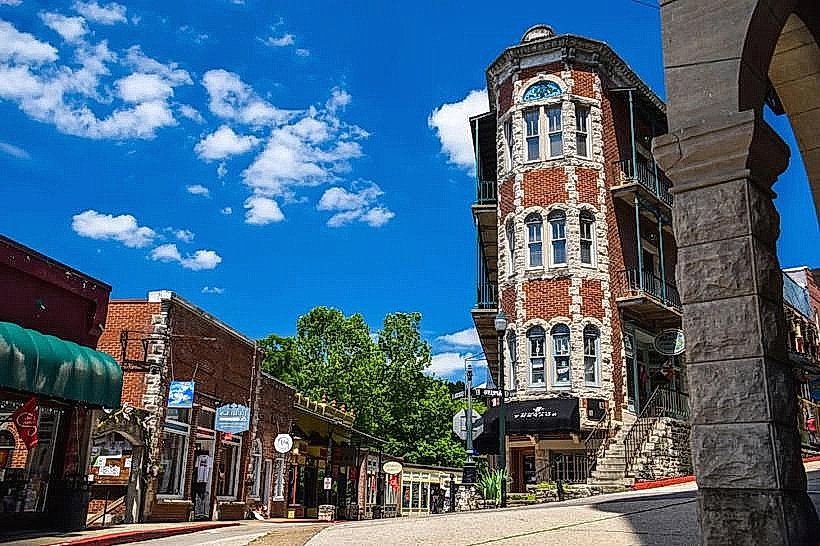
Landmark: Eureka Springs Historic District
City: Eureka Springs
Country: USA Arkansas
Continent: North America
Eureka Springs Historic District, Eureka Springs, USA Arkansas, North America
The Eureka Springs Historic District is a designated historic area located within the city of Eureka Springs, Arkansas, USA. It encompasses a significant portion of the city's original settlement and its Victorian-era architecture.
Visual Characteristics
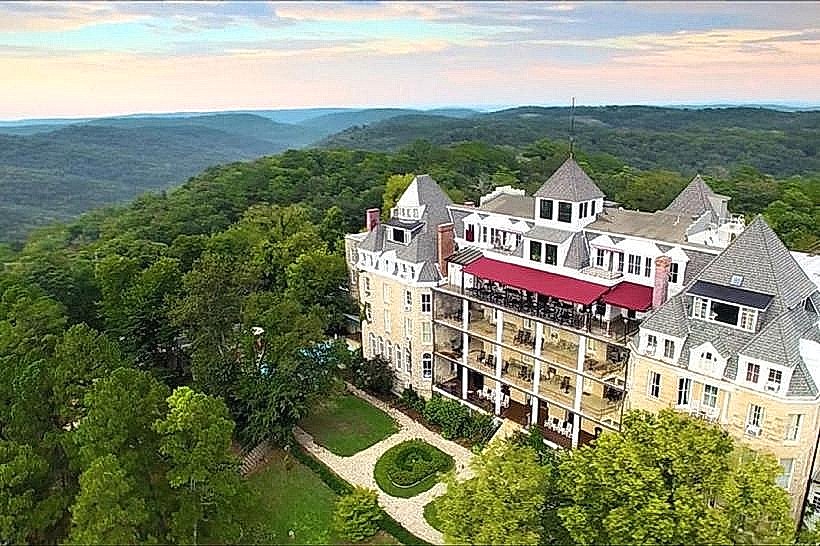
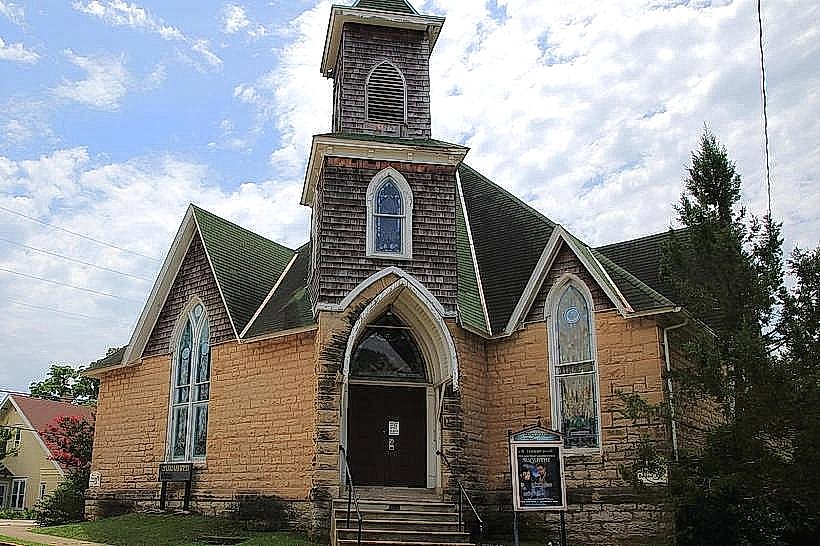
The district is characterized by its steep, winding streets and a concentration of Victorian-era buildings constructed primarily from local stone and wood. Structures exhibit a range of architectural styles including Queen Anne, Italianate, and Romanesque Revival. Building colors vary, with many featuring natural wood tones, white, and pastel shades. The topography of the district is hilly, with buildings often built into the hillsides, creating multi-level facades and unique streetscapes.
Location & Access Logistics
The district is situated in the central area of Eureka Springs, Arkansas. Access is primarily via US Highway 62, which runs through the city. Parking within the historic district is limited and often challenging due to narrow streets and steep inclines. Several public parking lots are available on the periphery, with shuttle services operating during peak seasons. Public transportation options are limited; however, the Eureka Springs Trolley system provides access to key points within and around the district.
Historical & Ecological Origin
The district's origin dates back to the late 19th century, following the discovery of the area's mineral springs, which were believed to have medicinal properties. The town was officially incorporated in 1880. The architectural development reflects the boom period of the late 1800s and early 1900s, driven by tourism seeking the healing waters. The area's ecology is characterized by the Ozark Mountains, with dense deciduous forests surrounding the developed core.
Key Highlights & Activities
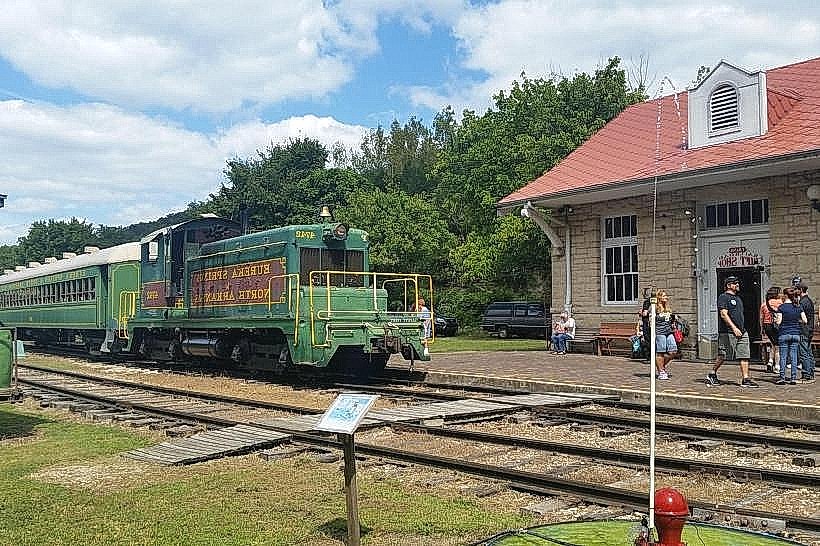
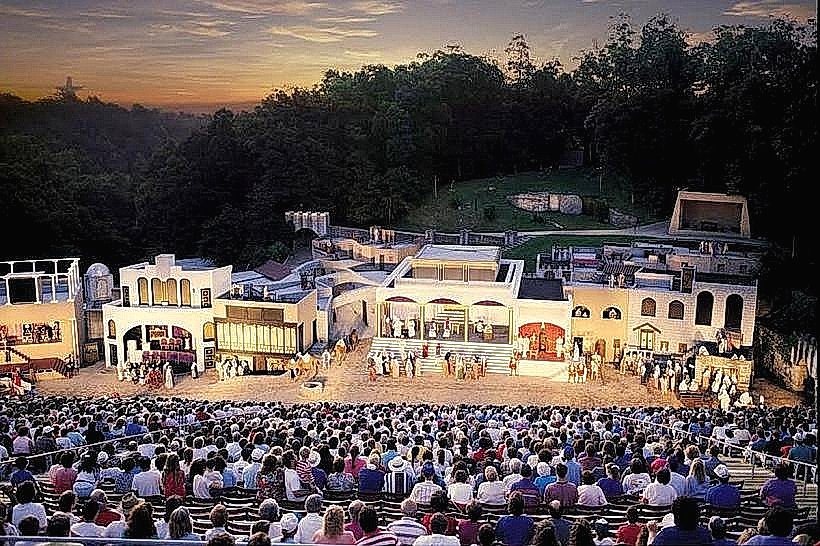
Visitors can explore the historic downtown area on foot, observing the architecture. Guided walking tours focusing on history and architecture are available. The Great Passion Play Amphitheater is located on the outskirts of the district. Shopping for local crafts and antiques in the numerous boutiques is a common activity. Access to the various springs, though no longer primarily for medicinal purposes, is possible at designated points.
Infrastructure & Amenities
Restrooms are available in public facilities and within many businesses. Shade is provided by mature trees along some streets and awnings of buildings. Cell phone signal (4G/5G) is generally available throughout the district. Food vendors and restaurants are concentrated along Main Street and Spring Street.
Best Time to Visit
For photography, early morning or late afternoon light offers optimal illumination of the architectural details. The best months for weather are typically April through October, avoiding the extreme heat of mid-summer and the colder winter months. No specific tide requirements apply to this inland location.
Facts & Legends
A local legend suggests that the springs themselves possess healing powers, a belief that fueled the initial settlement and growth of Eureka Springs. A verified historical oddity is the city's unique street numbering system, which can be confusing due to the hilly terrain and the way streets are laid out at different elevations.
Nearby Landmarks
- Basin Spring Park (0.2km West)
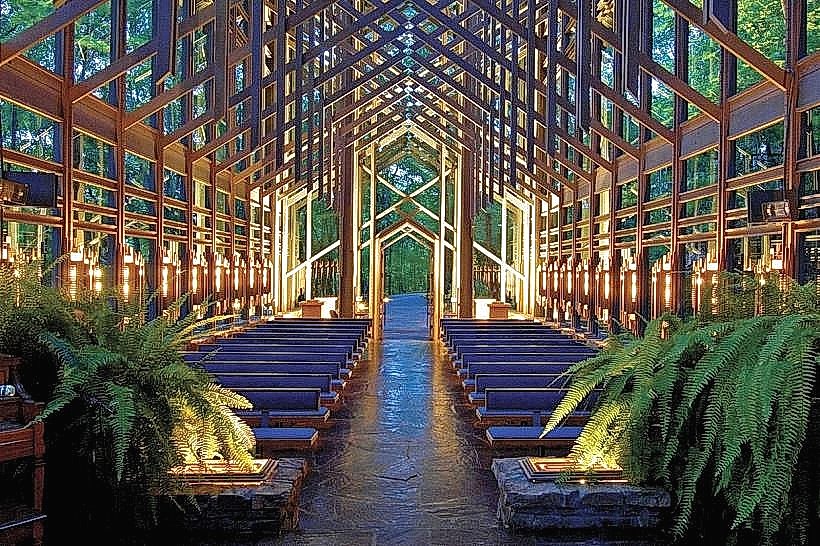
- Thorncrown Chapel (3.5km Southwest)
- The Great Passion Play (1.8km Northwest)
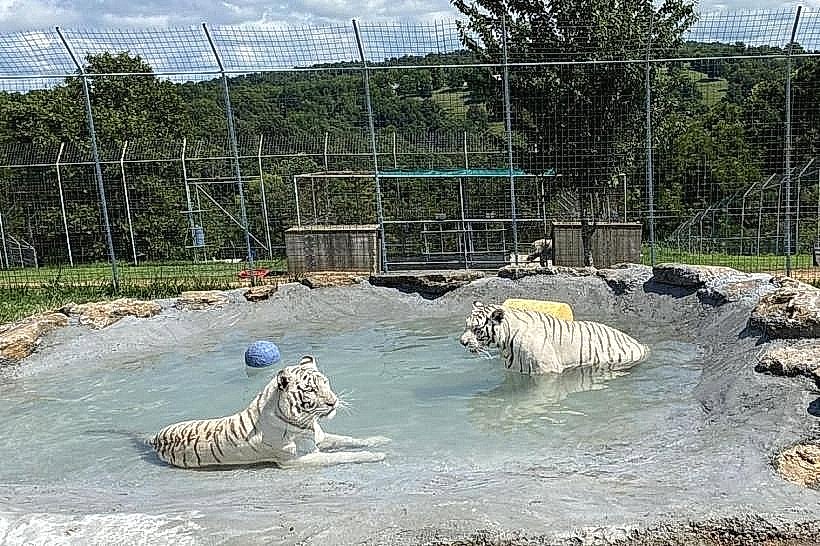
- Turpentine Creek Wildlife Sanctuary (5.0km West)
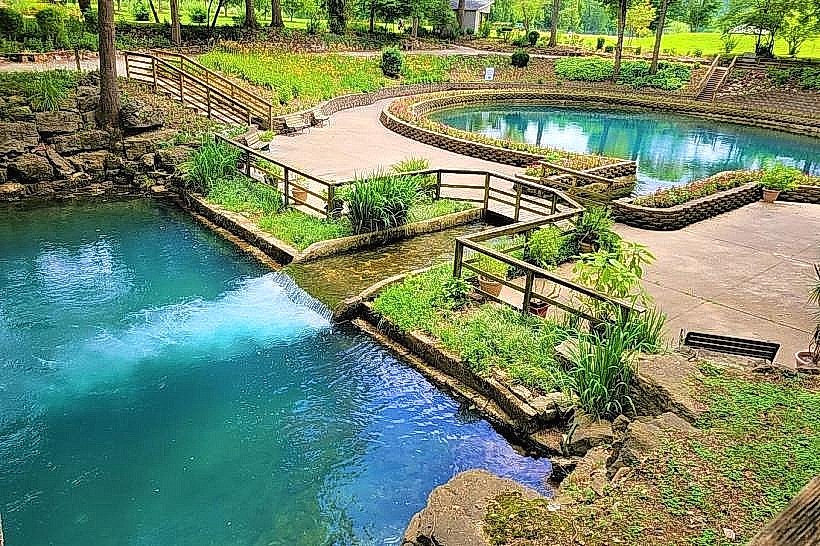
- Blue Spring Heritage Center (10.0km South)