Information
Landmark: Fisheries and Maritime MuseumCity: Esbjerg
Country: Denmark
Continent: Europe
Fisheries and Maritime Museum, Esbjerg, Denmark, Europe
The Fisheries and Maritime Museum is a cultural institution dedicated to Denmark's maritime history, fishing industry, and marine biology, located on the northern outskirts of Esbjerg, Denmark.
Visual Characteristics
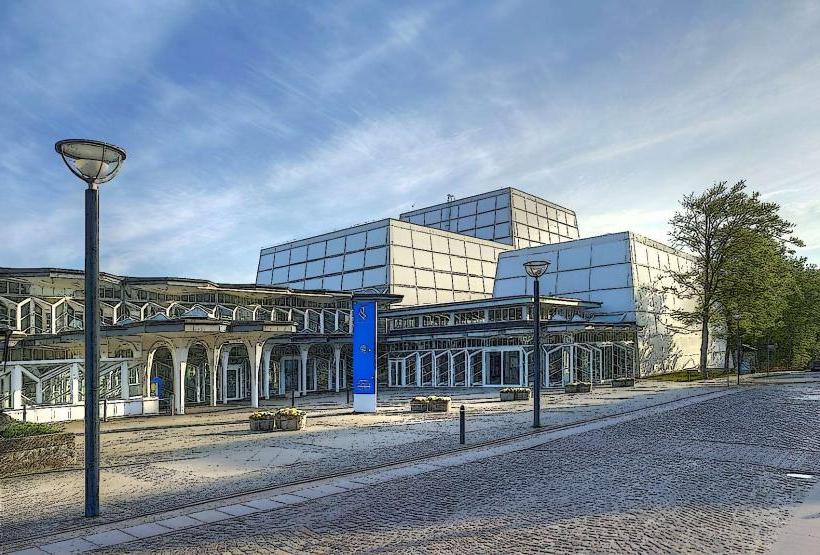
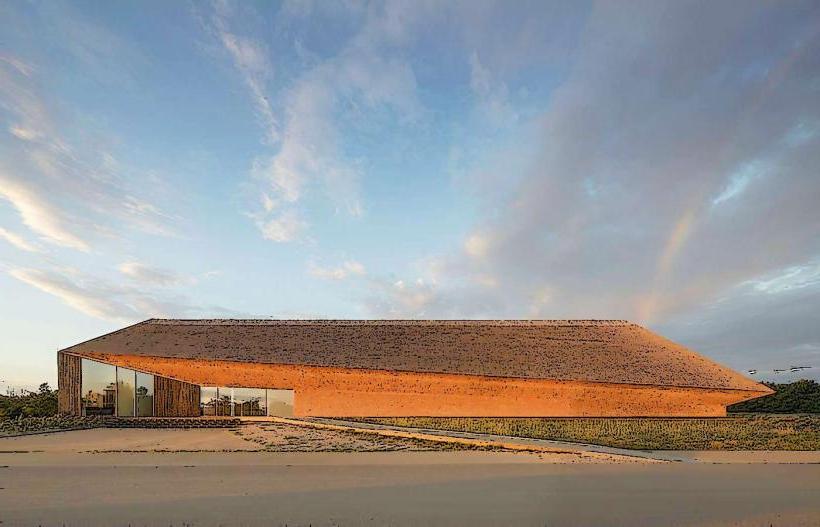
The museum complex comprises several buildings with a functional, modern architectural style, primarily constructed from brick and concrete. The main exhibition halls feature large windows and open spaces. An outdoor area includes a reconstructed fishing village with traditional wooden structures and a large sealarium, an open-air enclosure for seals. The overall color palette is muted, reflecting the industrial and natural themes.
Location & Access Logistics
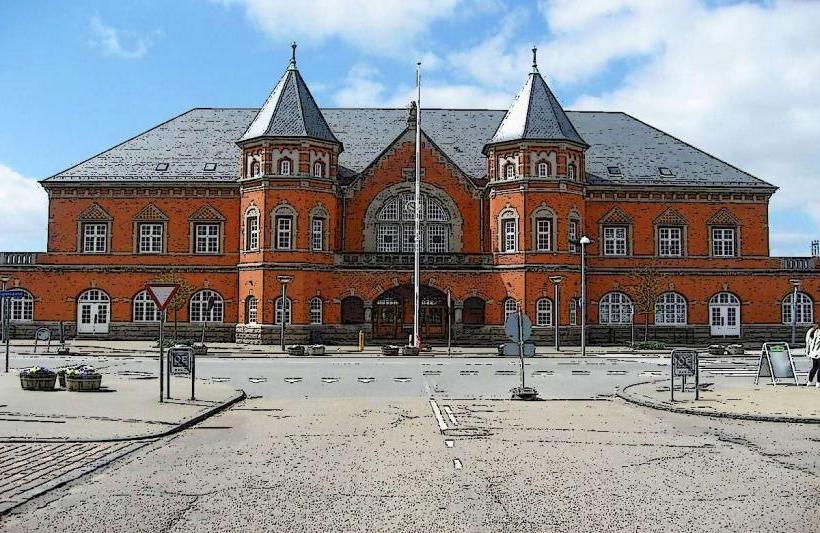
The museum is situated at Tarphagevej 2, approximately 3.5 kilometers northwest of Esbjerg city center. Access by car is via Tarphagevej, which connects to Strandbygade. Ample free parking is available directly at the museum entrance. Public transport includes bus line 13, which stops near the museum, with connections from Esbjerg Central Station.
Historical & Ecological Origin
The Fisheries and Maritime Museum was established in 1968, opening its doors in 1969. Its original purpose was to document and preserve the history of the Danish fishing industry and maritime culture, particularly focusing on the North Sea region and Esbjerg's role as a major port city. The museum has since expanded to include significant marine biology exhibits.
Key Highlights & Activities
Visitors can observe daily seal feedings in the sealarium, typically scheduled twice per day. The large salt water aquarium showcases local marine life from the North Sea. The outdoor exhibition features a historical fishing village, allowing exploration of traditional fishing boats and equipment. Interactive exhibits detail the evolution of fishing techniques and maritime navigation.
Infrastructure & Amenities
Restrooms are available throughout the museum complex, including accessible facilities. Limited natural shade is present in the outdoor areas, with indoor exhibits providing full shelter. Cell phone signal (4G/5G) is generally strong across the entire site. A café and restaurant are located within the main building, offering food and beverages. A museum shop sells themed merchandise.
Best Time to Visit
The museum is open year-round, with peak visitation during summer months (June-August). For photography, late morning or early afternoon provides optimal natural light within the indoor exhibits and for the outdoor sealarium. Visiting during weekdays outside of school holidays typically offers a less crowded experience. Seal feeding times are fixed and should be checked in advance.
Facts & Legends
The museum houses a unique collection of historical fishing vessels, some of which are still seaworthy. A lesser-known fact is that the museum's sealarium is one of the largest in Europe, specifically designed to replicate the natural habitat of harbor seals and grey seals found in the Wadden Sea. The museum actively participates in seal rehabilitation programs.
Nearby Landmarks
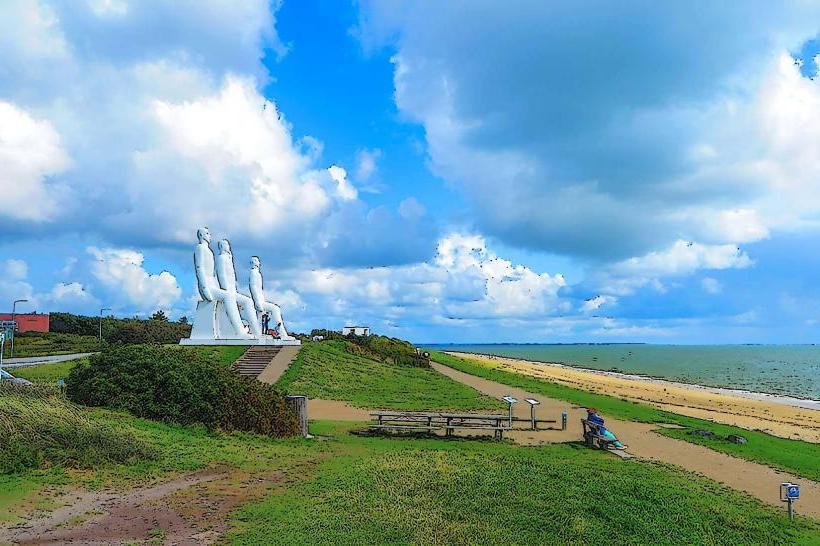
- Men at Sea sculpture: 0.5km West
- Esbjerg Lighthouse: 2.5km North-West
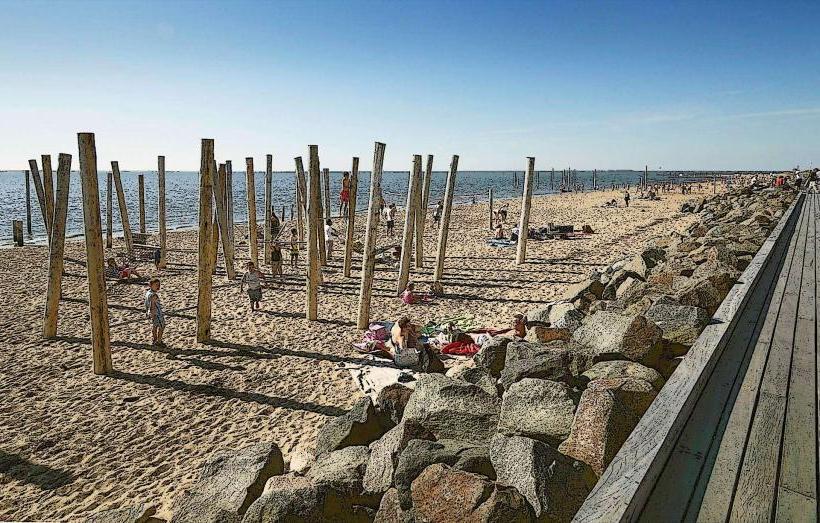
- Esbjerg Beach: 1.0km West
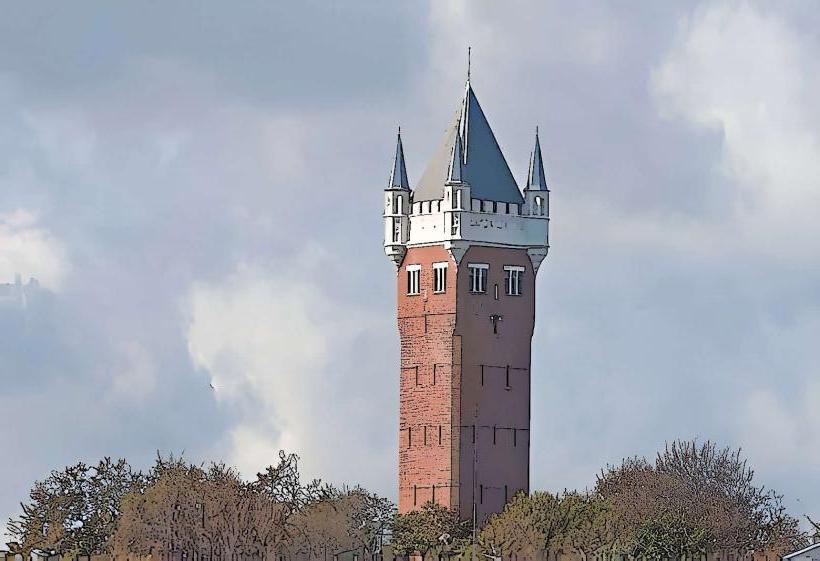
- Esbjerg Water Tower: 3.0km South-East
- Esbjerg Art Museum: 3.5km South-East