Information
Landmark: Fore River SanctuaryCity: Quincy MA
Country: USA Massachusetts
Continent: North America
Fore River Sanctuary, Quincy MA, USA Massachusetts, North America
The Fore River Sanctuary is a protected natural area located in Quincy, Massachusetts, USA. It encompasses a significant portion of the Fore River estuary and its surrounding wetlands.
Visual Characteristics
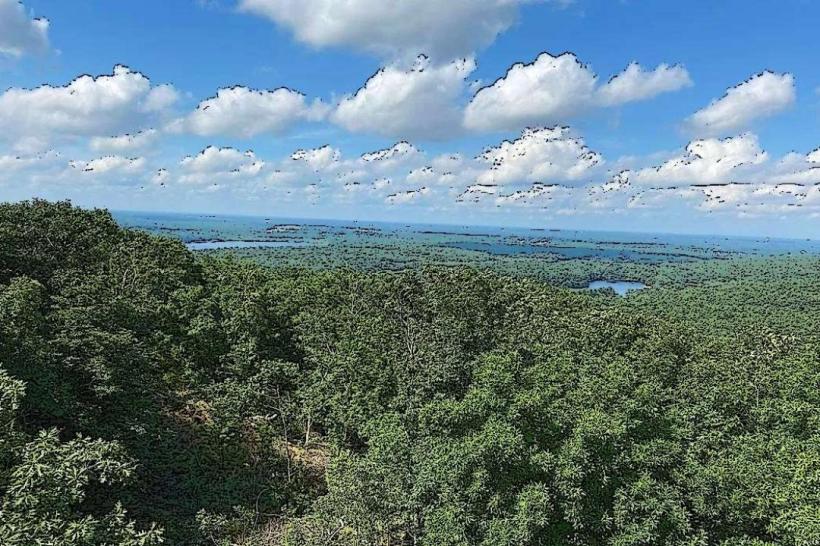
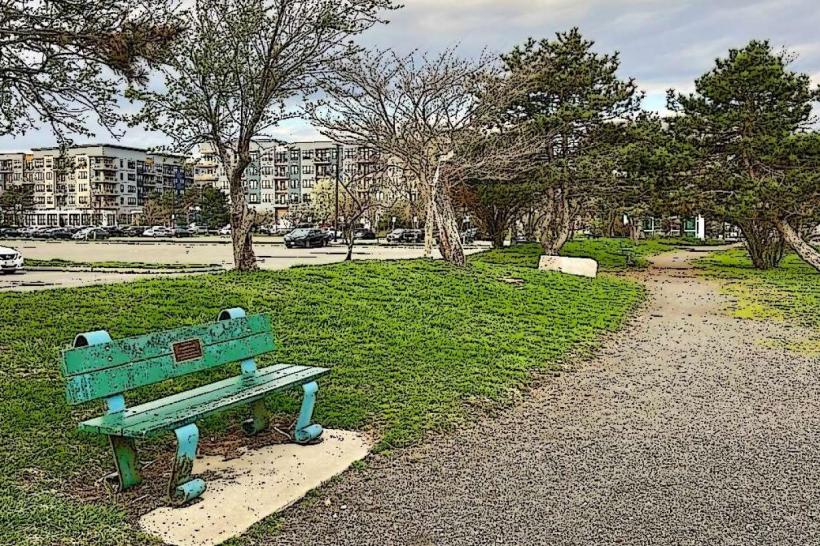
The sanctuary features tidal mudflats, salt marshes, and mixed deciduous-evergreen forests. The water color of the Fore River varies with tidal flow and sediment content, typically appearing brown or grey. Vegetation includes Spartina alterniflora (smooth cordgrass) in the marshes and oak, maple, and pine species in the forested areas. Bird blinds are present at specific observation points.
Location & Access Logistics
The Fore River Sanctuary is situated approximately 10 miles south of downtown Boston. Access is primarily from the intersection of Bridge Street and Palmer Street in Quincy. Limited on-site parking is available at the Palmer Street entrance. Public transport options include the MBTA Bus Route 215, which stops near the sanctuary's perimeter on Palmer Street.
Historical & Ecological Origin
The Fore River estuary is a geologically formed tidal river system. Historically, the area supported indigenous populations and later became industrialized. The establishment of the Fore River Sanctuary in the late 20th century aimed to preserve the remaining natural habitat and mitigate the impacts of past industrial activity. It functions as a critical stopover point for migratory birds along the Atlantic Flyway.
Key Highlights & Activities
Birdwatching is a primary activity, with designated trails and observation blinds. Kayaking and canoeing are permitted on the Fore River during appropriate tidal conditions. Hiking is possible on marked trails through the forested sections of the sanctuary. Educational programs are sometimes offered by local conservation groups.
Infrastructure & Amenities
Restrooms are not available within the sanctuary. Shade is provided by the forest canopy in wooded areas. Cell phone signal (4G/5G) is generally available but can be intermittent in denser wooded sections. No food vendors are located within the sanctuary; nearest services are in adjacent commercial areas.
Best Time to Visit
For birdwatching, early morning and late afternoon offer optimal viewing conditions. Spring (April-May) and fall (September-October) are peak migration seasons. High tide is generally preferred for kayaking and observing marsh wildlife. Winter months can offer opportunities for viewing waterfowl.
Facts & Legends
The Fore River was historically a significant waterway for shipbuilding and industrial transport. A specific point of interest for visitors is the presence of remnants of old industrial infrastructure, now being reclaimed by nature. Local folklore sometimes references the river's historical role in maritime trade and its changing ecological state.
Nearby Landmarks
- Merrymount Park (1.2km Southwest)
- Adams National Historical Park (3.5km Northwest)
- Quincy Shore Reservation (4.0km Southeast)
- Squantum Point Park (4.5km East)