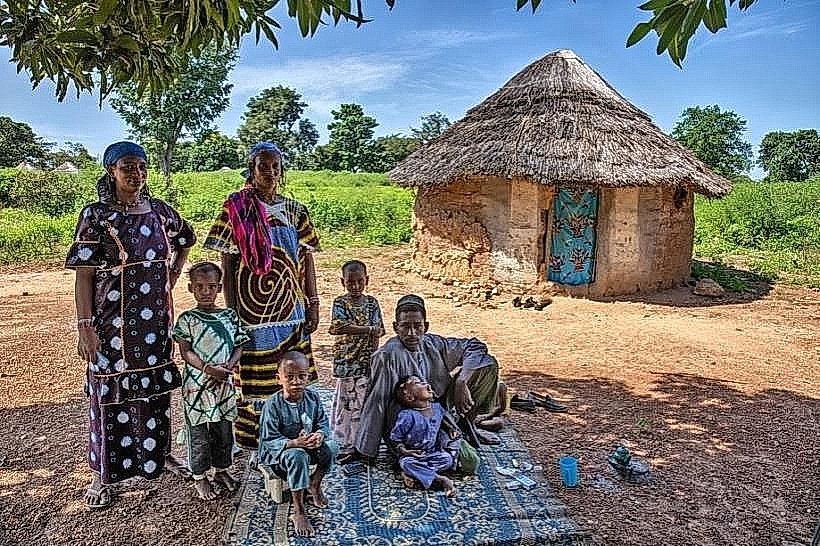
Landmark: Fulani Cultural Settlements
City: Dori
Country: Burkina Faso
Continent: Africa
Fulani Cultural Settlements, Dori, Burkina Faso, Africa
The Fulani Cultural Settlements in Dori, Burkina Faso, represent traditional nomadic and semi-nomadic Fulani communities.
These settlements are located in the Sahel region of northern Burkina Faso, east of the city of Dori.
Visual Characteristics
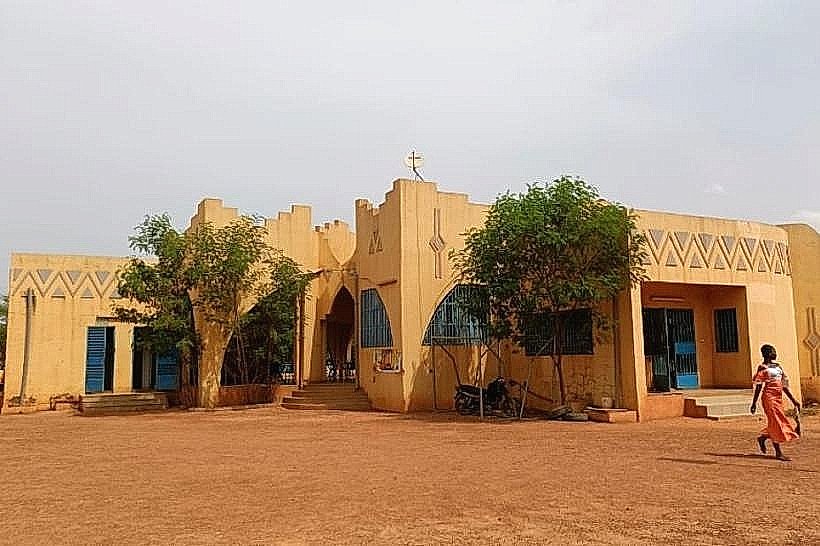
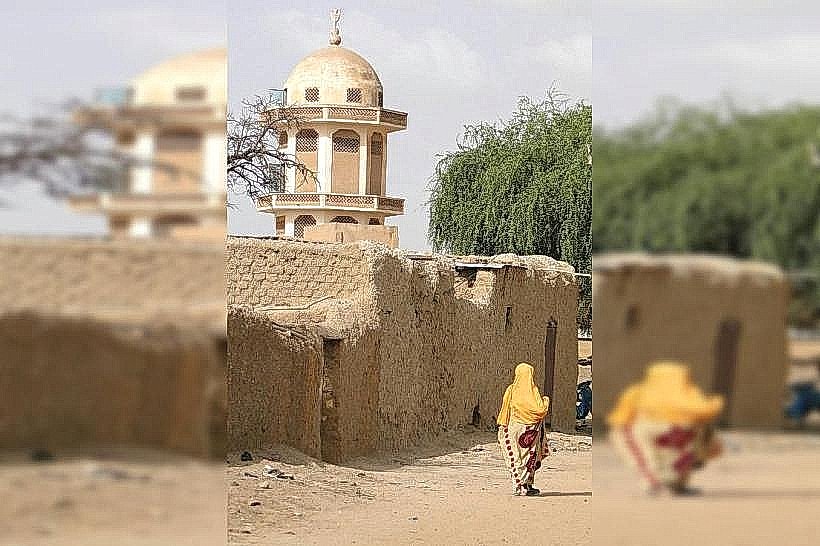
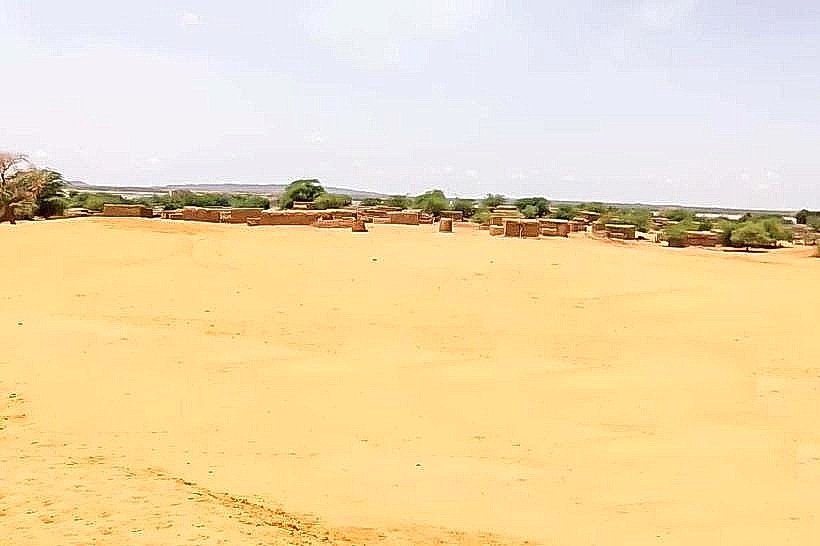
Structures are primarily constructed from natural materials, including mud brick, thatch, and wood. Dwellings are typically circular or rectangular with thatched roofs. The landscape is characterized by dry savanna, sparse acacia trees, and open grazing land.
Location & Access Logistics
The settlements are situated approximately 10-15 kilometers east of Dori. Access is via unpaved tracks branching off the N15 national road. Vehicle access can be challenging during the rainy season (June-September). No public transport directly serves the settlements; local guides with 4x4 vehicles are recommended for access from Dori. Parking is informal and dictated by community elders.
Historical & Ecological Origin
These settlements are a manifestation of the traditional pastoralist lifestyle of the Fulani people, who have inhabited the Sahel for centuries. Their origin is tied to seasonal migration patterns for livestock grazing, adapting to the arid environment of the Sahelian savanna.
Key Highlights & Activities
Observation of traditional housing construction techniques. Interaction with local artisans producing leather goods and woven items. Witnessing daily pastoralist activities, including livestock management. Opportunities for photography of community life and the surrounding landscape.
Infrastructure & Amenities
Basic sanitation facilities may be present but are not standardized. Shade is provided by natural tree cover and dwelling structures. Cell phone signal is intermittent and generally weak. Food vendors are not typically found within the settlements; arrangements for meals should be made in advance with guides or in Dori.
Best Time to Visit
The dry season, from November to May, offers the most favorable weather conditions. The cooler months of December to February are ideal. Mid-morning and late afternoon provide optimal lighting for photography due to the angle of the sun.
Facts & Legends
A specific practice observed is the communal milk collection and processing, a central element of Fulani sustenance and social structure. The Fulani are known for their intricate oral traditions and storytelling, often passed down through generations.
Nearby Landmarks
- Dori City Center (12km West)
- Lake Bam (Approx. 40km South-West)
- Kaya (Approx. 90km South)