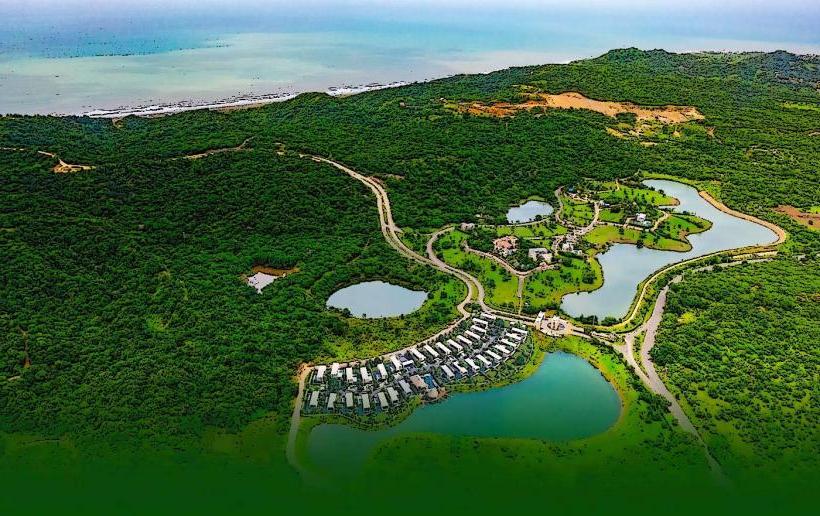
Landmark: Guayacanes Lake
City: Santiago de los Caballeros
Country: Dominican Republic
Continent: North America
Guayacanes Lake, Santiago de los Caballeros, Dominican Republic, North America
Guayacanes Lake is an artificial freshwater reservoir situated approximately 18 kilometers southeast of Santiago de los Caballeros, Dominican Republic. It functions primarily as a water management resource for local agriculture and provides limited recreational opportunities.
Visual Characteristics
The lake exhibits a generally green-blue water coloration, with clarity dependent on recent rainfall and sediment runoff. Its perimeter is irregular, defined by the surrounding topography and a mix of cultivated land and natural tropical vegetation, including various palm species and dense shrubs. The surface area is estimated at approximately 0.5 square kilometers, with an average depth that fluctuates seasonally.
Location & Access Logistics
Access to Guayacanes Lake is primarily via local roads branching off from Route 1, specifically through the communities of Guayacanes or Hato del Yaque. From the city center of Santiago, the drive typically takes 30-40 minutes. Parking is informal, consisting of unpaved shoulders or clearings near the lake's edge. Public transportation options are limited to local "guaguas" (minibuses) or motoconchos (motorcycle taxis) that serve the nearby villages, requiring a final walk to the lake shore.
Historical & Ecological Origin
Guayacanes Lake is an artificial impoundment, constructed in the mid-20th century to support irrigation for agricultural lands in the surrounding Cibao Valley and to manage local water resources. Its ecological classification is that of a man-made freshwater reservoir, supporting a localized ecosystem of aquatic flora and fauna typical of such environments in the region.
Key Highlights & Activities
Primary activities include freshwater fishing for species such as tilapia and carp, often practiced by local residents. The lake's periphery offers informal areas for picnicking. Birdwatching is possible, with various local and migratory bird species frequenting the lake's shores and surrounding vegetation.
Infrastructure & Amenities
Infrastructure at Guayacanes Lake is minimal. There are no formal restrooms or dedicated visitor facilities. Shade is provided naturally by existing trees along certain sections of the shoreline. Cell phone signal (4G/5G) is generally available but can be intermittent in specific low-lying areas. There are no dedicated food vendors directly at the lake; local shops in nearby villages offer basic provisions.
Best Time to Visit
The best time to visit is during the dry season, typically from November to April, when road conditions are more stable and temperatures are slightly cooler. Early morning (7:00 AM - 10:00 AM) or late afternoon (4:00 PM - 6:00 PM) offers more comfortable temperatures and optimal lighting for photography, particularly for capturing reflections on the water surface.
Facts & Legends
Local lore suggests that the lake's construction significantly altered the microclimate of the immediate area, contributing to increased agricultural productivity. It is a common weekend destination for families from the surrounding communities seeking a quiet, informal outdoor setting away from urban centers.
Nearby Landmarks
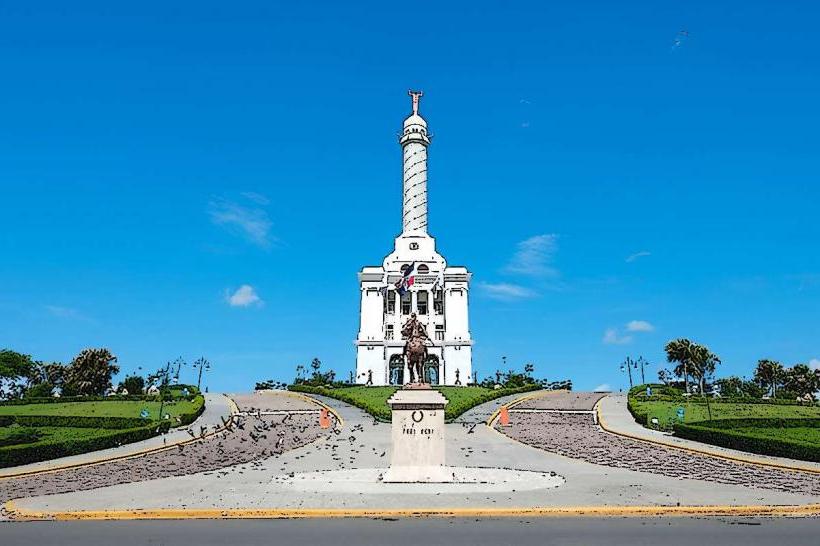
- Monumento a los Héroes de la Restauración: 18km Northwest
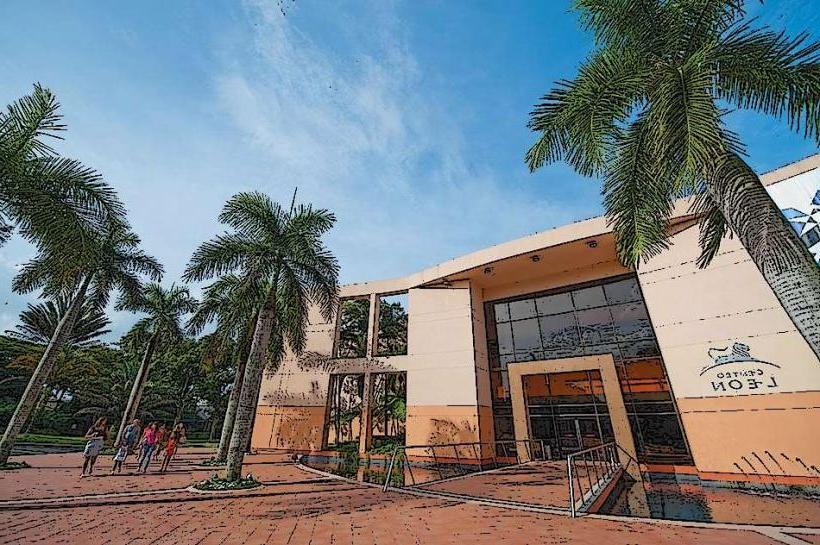
- Centro León: 17km Northwest
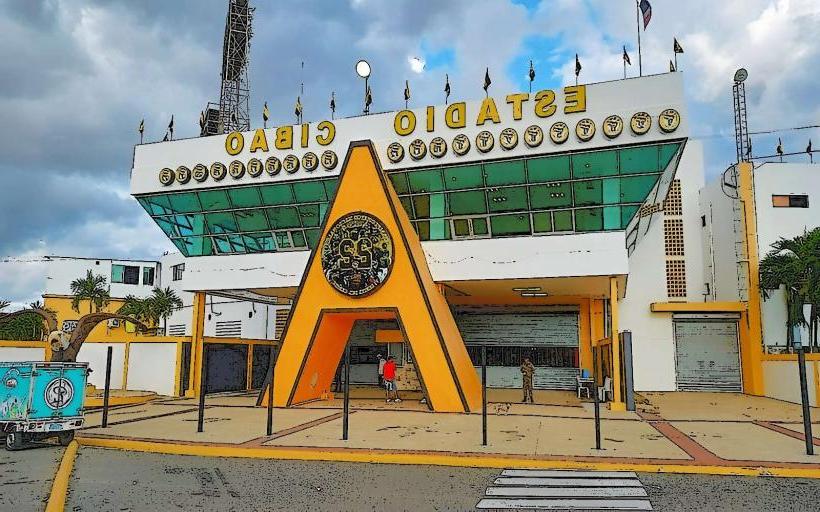
- Estadio Cibao: 15km Northwest
- Catedral Santiago Apóstol: 19km Northwest
- Parque Central de Santiago: 18.5km Northwest