Landmark: Halifax Public Gardens
City: Halifax
Country: Canada
Continent: North America
Halifax Public Gardens, Halifax, Canada, North America
The Halifax Public Gardens is a Victorian-era public garden located in Halifax, Nova Scotia, Canada. It is a designated National Historic Site of Canada.
Visual Characteristics
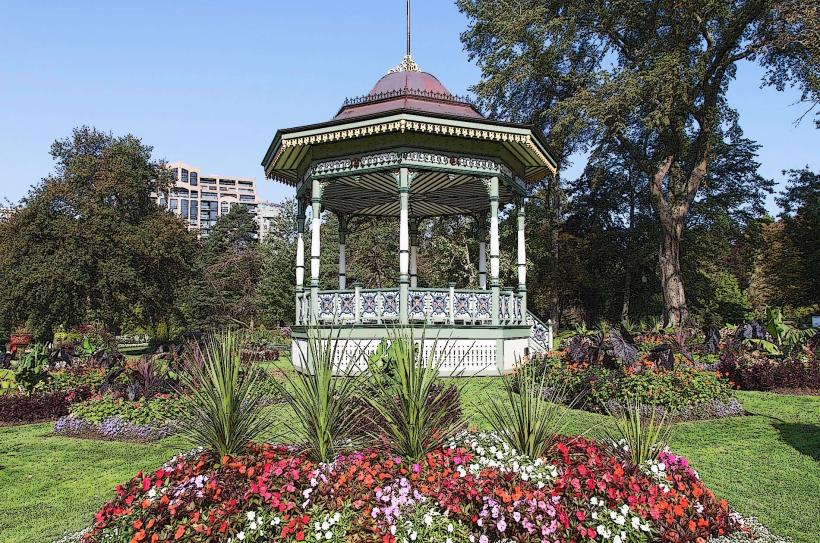
The gardens cover approximately 16 acres and feature formal Victorian landscaping. Key elements include a central fountain, ornate wrought-iron gates, a bandstand, and numerous flower beds arranged in geometric patterns. The grounds are divided by gravel pathways and are densely planted with a variety of trees, shrubs, and seasonal flowers. The dominant architectural feature is the Victorian-era bandstand, constructed of cast iron and wood.
Location & Access Logistics
The Halifax Public Gardens are situated in the heart of downtown Halifax, adjacent to the Halifax Citadel National Historic Site. They are bordered by Spring Garden Road to the south, Summer Street to the east, Sackville Street to the west, and the Halifax Citadel to the north. Access is available from multiple points along Spring Garden Road and Sackville Street. Parking is available in nearby municipal lots and on-street metered parking, though availability can be limited. Halifax Transit bus routes serving Spring Garden Road provide direct access; routes include 1, 7, 9, and 10.
Historical & Ecological Origin
Established in 1874, the Halifax Public Gardens were designed by the Halifax Floral Society and later expanded and refined by landscape architect Frederick Law Olmsted's firm. The original purpose was to provide a public green space for recreation and horticultural display. The site was developed on land previously used for military purposes. Ecologically, it is an urban park designed to showcase a wide range of temperate plant species, maintained through horticultural practices.
Key Highlights & Activities
Visitors can walk the garden paths, observe the seasonal floral displays, and sit by the central fountain. The bandstand hosts free concerts during the summer months. Photography of the formal gardens and architectural elements is permitted. Picnicking is allowed in designated areas.
Infrastructure & Amenities
Restrooms are available within the gardens. Shade is provided by mature trees. Cell phone signal (4G/5G) is generally strong throughout the park. Food vendors and cafes are located on the adjacent Spring Garden Road.
Best Time to Visit
For optimal floral displays, visit between late spring and early autumn (May to October). The best time of day for photography is generally early morning or late afternoon to avoid harsh sunlight and capture softer lighting. The bandstand concerts typically occur on Sunday afternoons during July and August.
Facts & Legends
A specific historical oddity is the presence of the "Queen Victoria Diamond Jubilee Fountain," a cast-iron fountain installed in 1897 to commemorate Queen Victoria's Diamond Jubilee. It remains a central feature of the gardens.
Nearby Landmarks
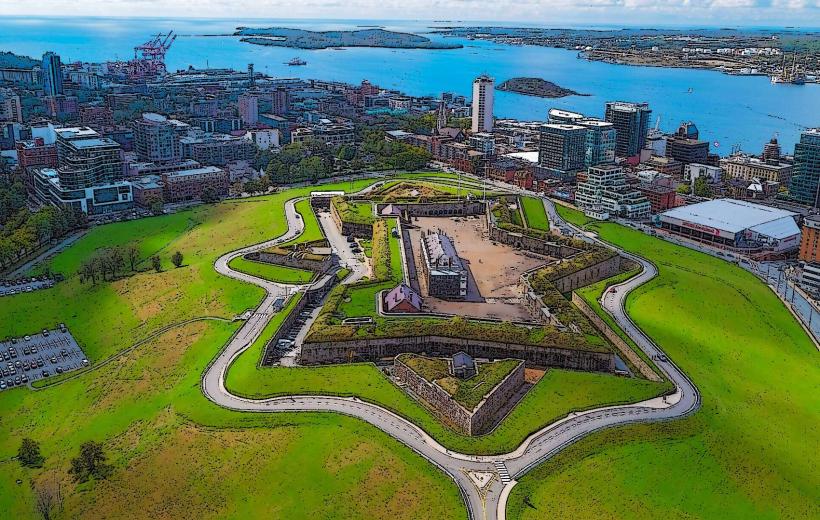
- Halifax Citadel National Historic Site (0.1km North)
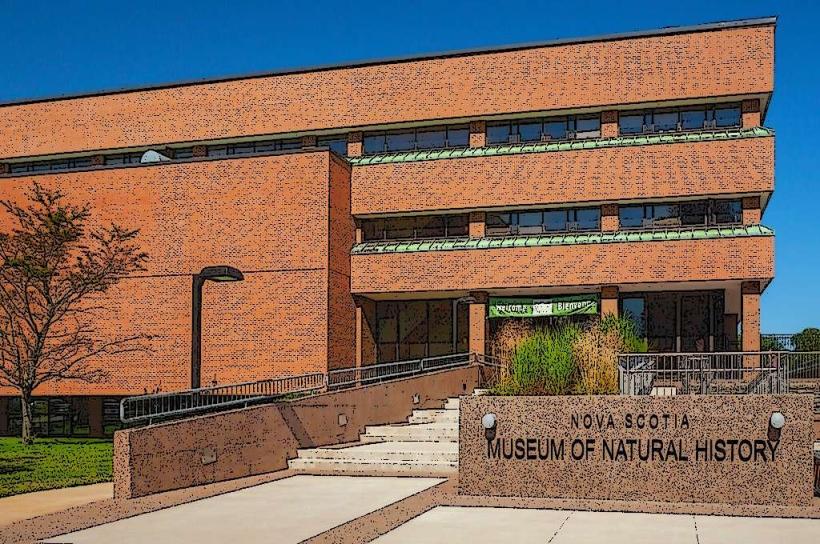
- Nova Scotia Museum of Natural History (0.8km West)
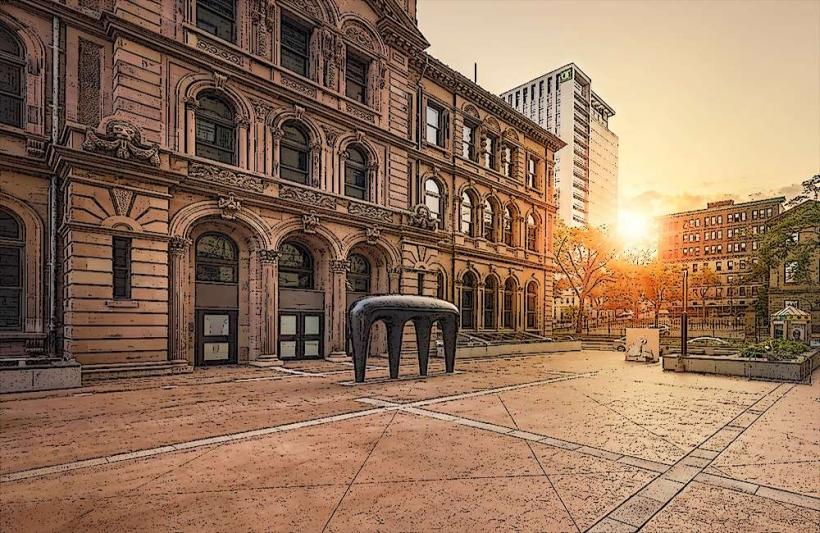
- Art Gallery of Nova Scotia (1.2km East)
- Halifax Waterfront (1.5km Southeast)
- St. Paul's Anglican Church (1.0km East)