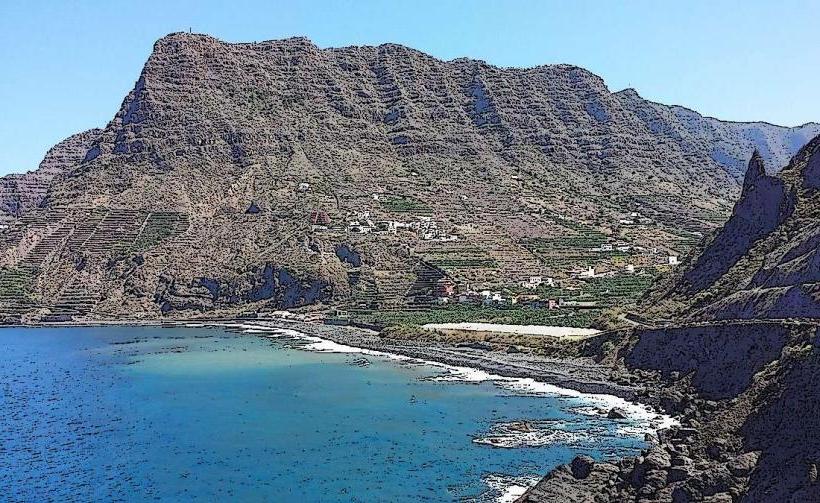
Landmark: Hermigua
City: La Gomera
Country: Canary Islands
Continent: Europe
Hermigua, La Gomera, Canary Islands, Europe
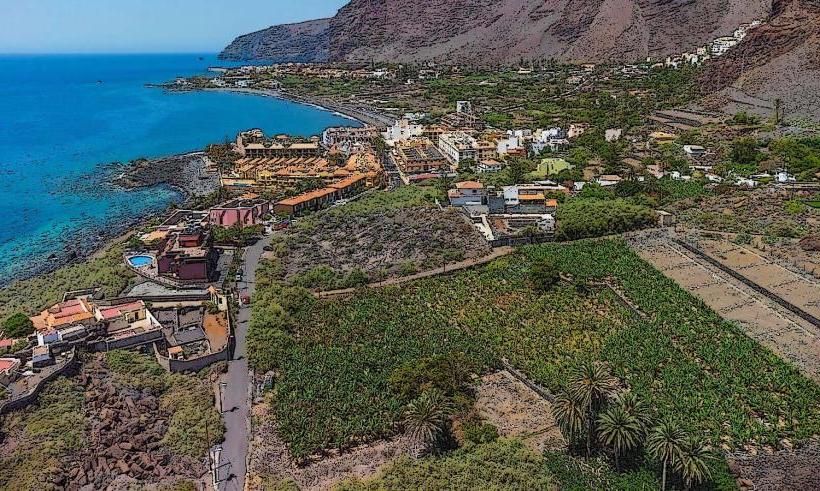
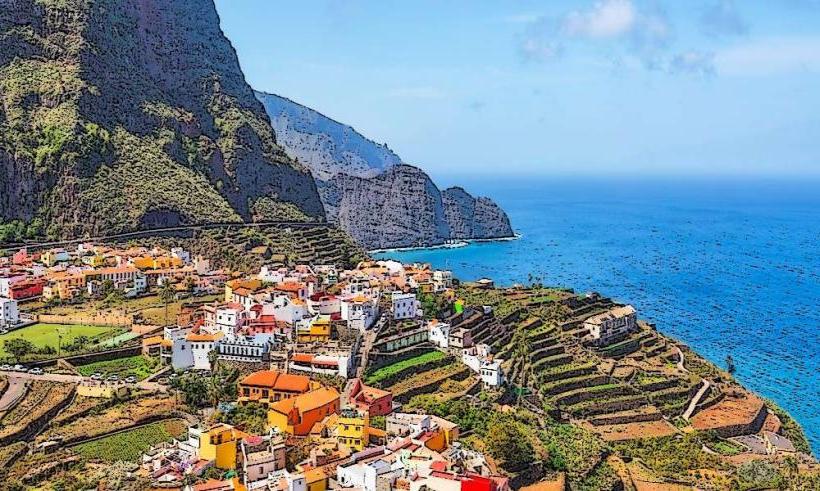
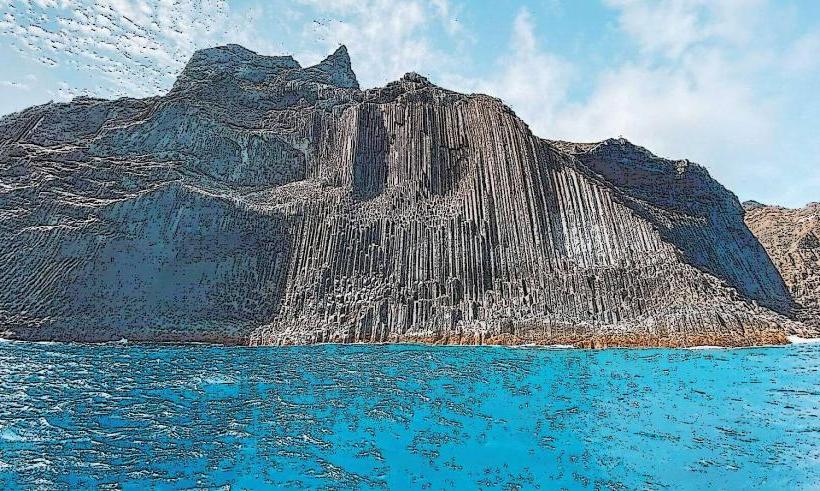
Hermigua is a municipality and valley situated on the northern coast of La Gomera, Canary Islands, characterized by its deep ravine, extensive agricultural terraces, and coastal access.
Visual Characteristics
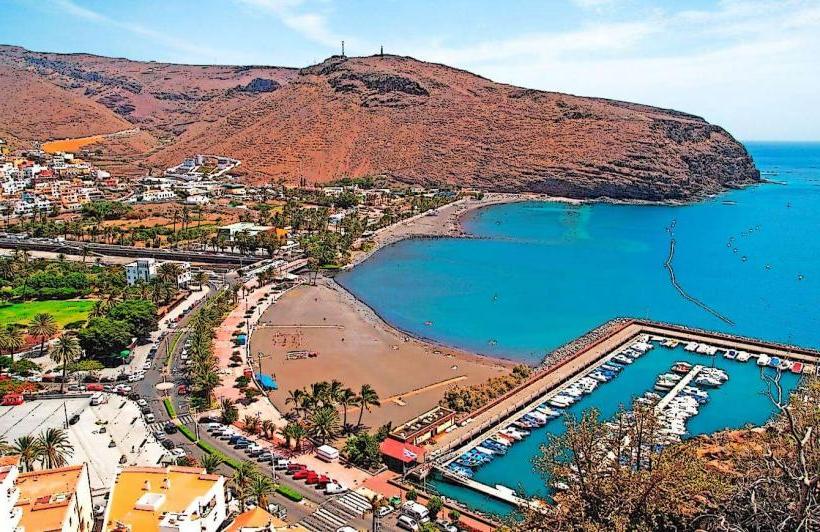
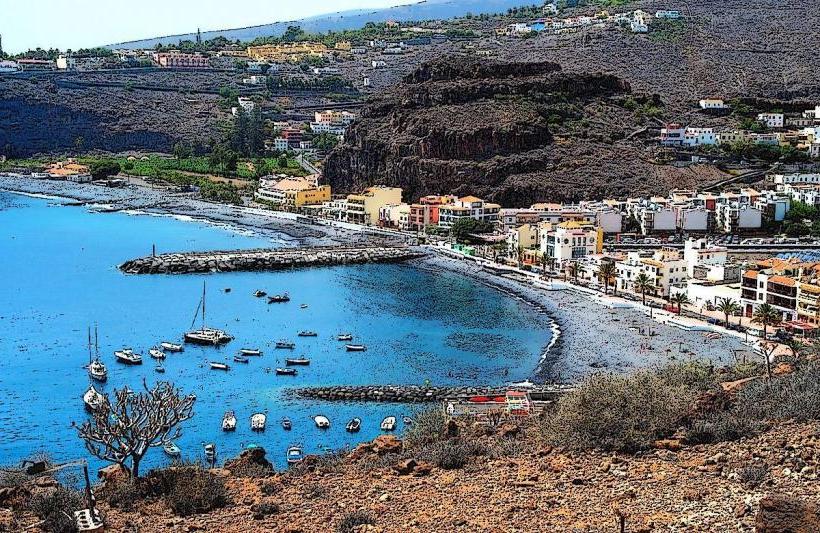
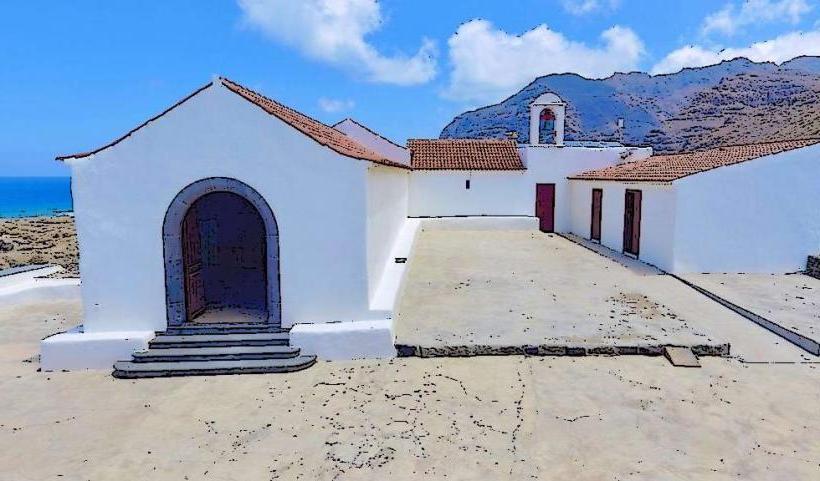
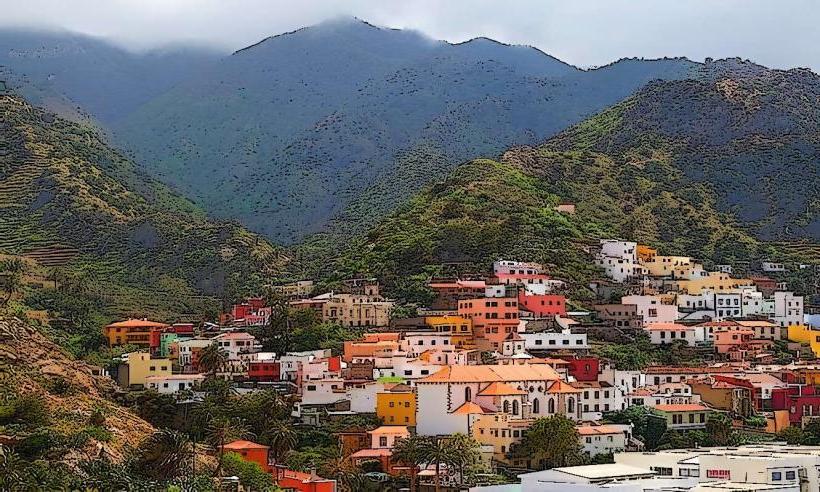
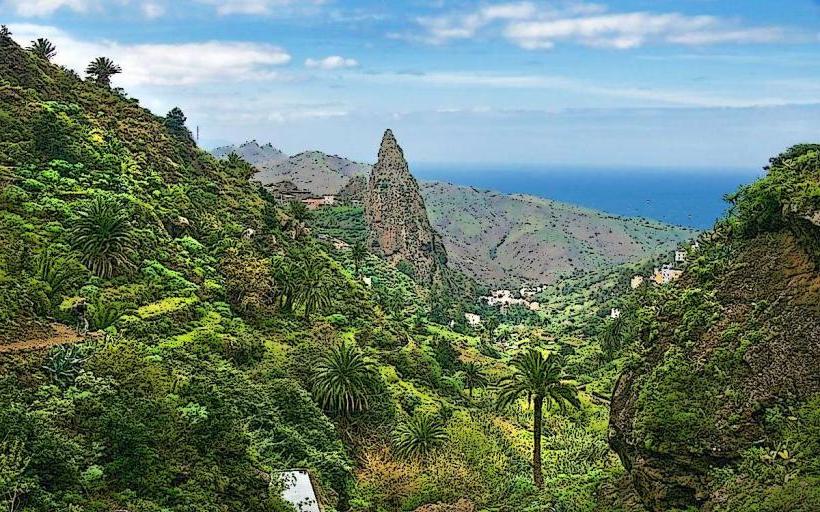
The valley of Hermigua is defined by steep, verdant slopes covered in terraced fields, primarily cultivating bananas and other subtropical fruits. The dominant colors are the deep green of vegetation, contrasting with the reddish-brown volcanic soil and the blue of the Atlantic Ocean. The valley floor is traversed by a seasonal stream, leading to a rocky coastline. Traditional Canarian architecture, featuring white-washed or stone buildings with red-tiled roofs, is prevalent in the scattered hamlets.
Location & Access Logistics
Hermigua is located approximately 20 kilometers northwest of San Sebastián de La Gomera, the island's capital. Access is primarily via the GM-1 road, which winds through the mountainous terrain. Parking is available in designated areas within the main village centers, though it can be limited in peak times. Public transport is provided by GuaguaGomera bus lines; line 2 connects Hermigua with San Sebastián, and line 3 connects it with Vallehermoso.
Historical & Ecological Origin
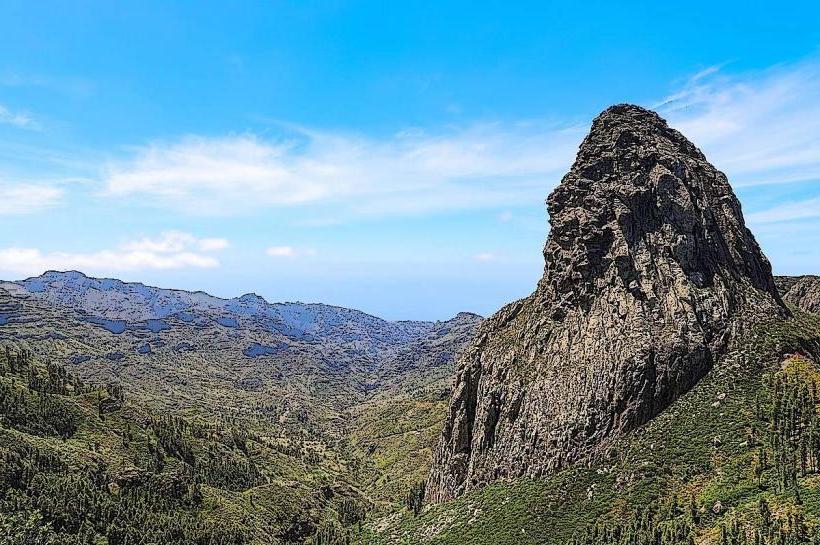
The valley's formation is volcanic, shaped by ancient lava flows and subsequent erosion, creating the characteristic deep ravine. Human settlement dates back centuries, with the construction of the extensive agricultural terraces beginning in the 16th century to maximize arable land. The original purpose of the settlement was agricultural, focused on sugar cane, then cochineal, and later bananas, which remain a primary crop.
Key Highlights & Activities
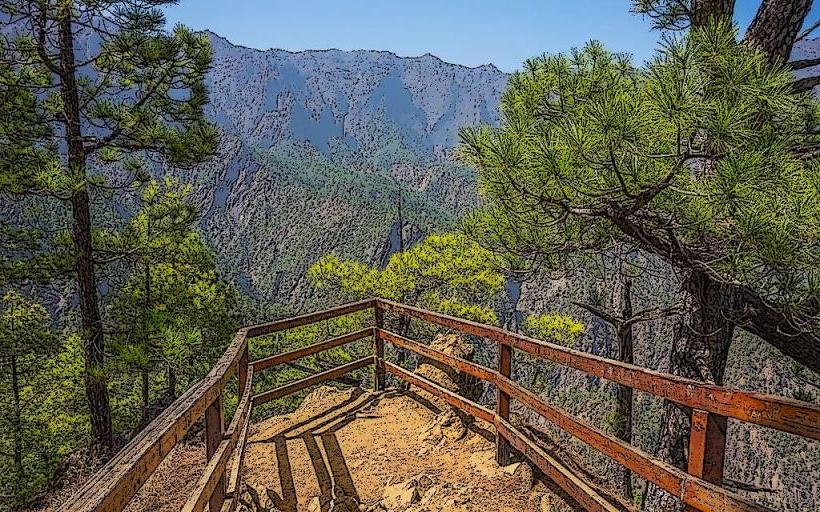
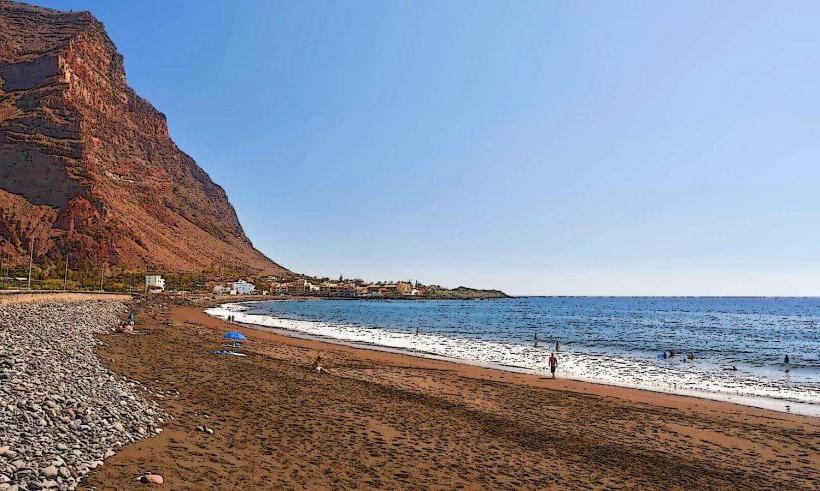
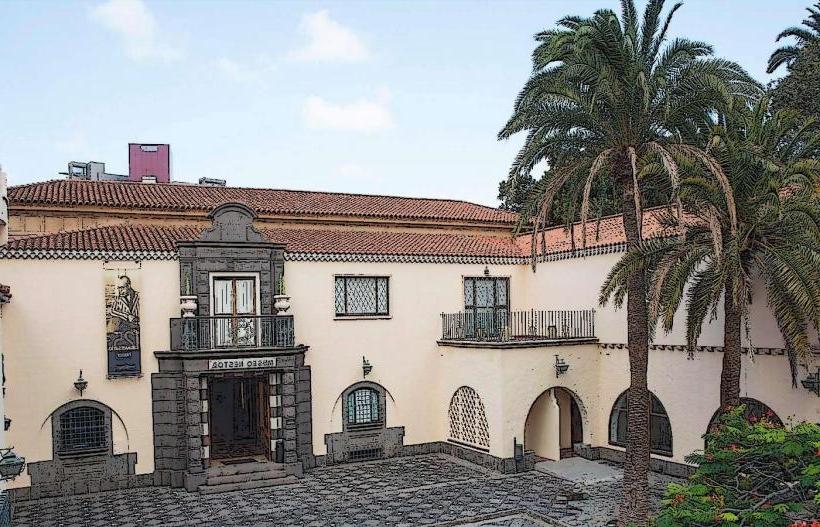
Visitors can hike along the numerous trails, including sections of the GR-132 long-distance path that traverses the valley. Swimming is possible at the natural pool of Playa de Santa Catalina, particularly at high tide. The Ethnographic Museum of La Gomera (Museo Etnográfico de La Gomera) provides insight into local traditions. Exploring the historic Pescante de Hermigua, an old concrete loading dock extending into the sea, offers coastal views.
Infrastructure & Amenities
Restrooms are available in restaurants and public facilities within the main village areas. Shade is provided by trees in public squares and by building structures. Cell phone signal (4G/5G) is generally reliable in the populated parts of the valley. Several local restaurants and small grocery stores offer food and provisions.
Best Time to Visit
The climate in Hermigua is mild year-round, making it suitable for visits in any season. For hiking, mornings are preferable to avoid the midday sun. Photography of the valley's terraced landscapes is optimal during the morning or late afternoon for softer light. Access to the natural pool at Playa de Santa Catalina is best at high tide for swimming.
Facts & Legends
The Pescante de Hermigua, built in the 1920s, was an engineering marvel for its time, designed to facilitate the export of bananas and other produce from the challenging northern coast. It operated until the 1950s, when improved road infrastructure rendered it obsolete. Local lore suggests that the construction of the Pescante was a monumental effort, with materials often transported by hand or mule across the rugged terrain.
Nearby Landmarks
- Garajonay National Park: 5km South
- Agulo: 7km West
- Vallehermoso: 15km West
- San Sebastián de La Gomera: 20km Southeast
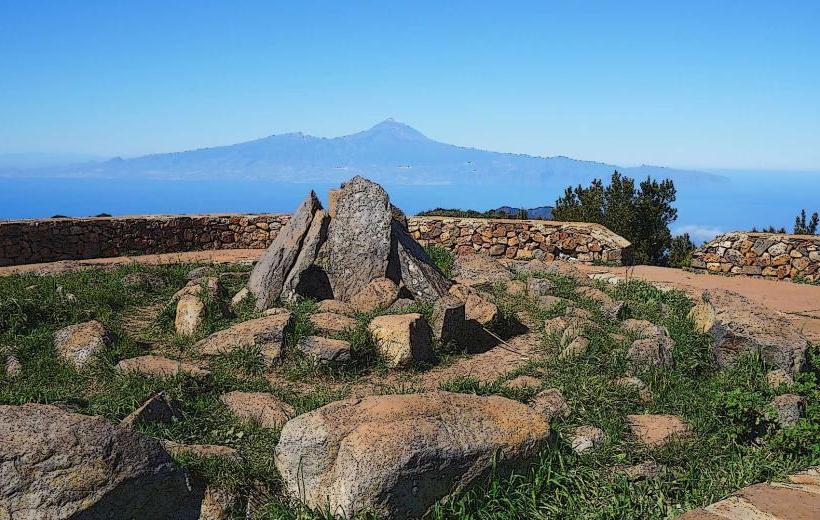
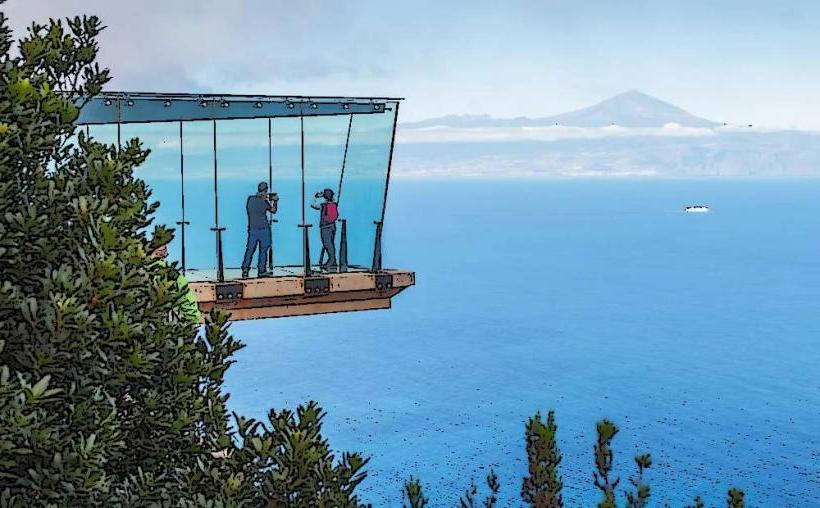
- Mirador de Abrante: 8km Southwest