Landmark: Holocaust Memorial
City: Mir
Country: Belarus
Continent: Europe
Holocaust Memorial, Mir, Belarus, Europe
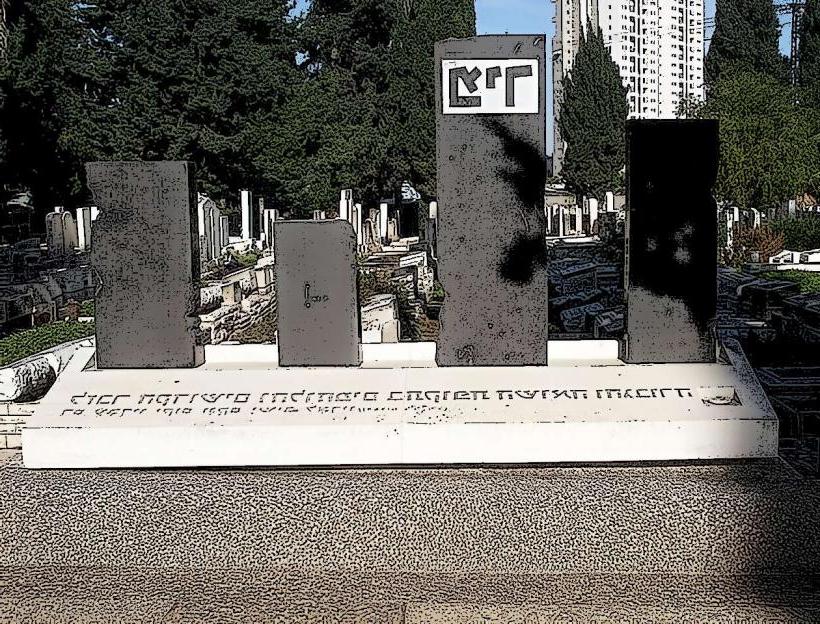
The Holocaust Memorial in Mir, Belarus, commemorates the approximately 2,000 Jewish residents of Mir who were murdered by Nazi forces during World War II. It is situated on the site of the former Jewish ghetto, near the location of the mass grave.
Visual Characteristics
The memorial consists of a large, dark granite slab, typically rectangular or irregular in shape, standing upright. Inscriptions are carved into the stone, usually in Hebrew, Belarusian, and English, detailing the event and honoring the victims. The monument is stark and unadorned, reflecting the solemnity of its purpose. Its height is approximately 2-3 meters, with a width of 1-2 meters, set upon a simple base.
Location & Access Logistics
The Holocaust Memorial is located on the eastern outskirts of Mir, approximately 1.5 kilometers east of the town center and the Mir Castle Complex. It is accessible via a local road branching off from the P11 regional highway. Parking is informal, typically along the roadside near the memorial site. There are no dedicated public transport lines directly to the memorial; visitors typically arrive by private vehicle or taxi from nearby towns like Baranovichi or Nesvizh. The nearest bus stop for intercity routes is in Mir's town center.
Historical & Ecological Origin
The memorial was erected in 1991, fifty years after the massacre, by survivors and their descendants. Its purpose is to mark the site where the Jewish population of Mir was systematically exterminated on November 9, 1941, by German Einsatzgruppen and local collaborators. The site itself is a former sand pit, which was used as a mass grave for the victims.
Key Highlights & Activities
The primary activity at the memorial is quiet contemplation and remembrance. Visitors can read the inscriptions on the monument, which provide historical context and names of some victims. There are no guided tours specifically for the memorial, but it is often included as a stop on broader historical tours of Mir.
Infrastructure & Amenities
The Holocaust Memorial is an outdoor, open-air site with minimal infrastructure. There are no restrooms, dedicated seating, or shade structures directly at the memorial. Cell phone signal (4G/5G) is generally available. Food vendors and other amenities are located in the town center of Mir, approximately 1.5 kilometers away.
Best Time to Visit
The memorial can be visited year-round during daylight hours. The best months for weather are May through September, when temperatures are milder. There are no specific lighting requirements for photography, but early morning or late afternoon light may offer a more somber atmosphere. No tide requirements apply.
Facts & Legends
On November 9, 1941, approximately 2,000 Jewish residents of Mir, including women, children, and the elderly, were marched from the ghetto to this sand pit and executed. A verified historical oddity is that a small number of Jews from Mir managed to escape the ghetto before the massacre and later joined partisan groups, fighting against the occupation forces.
Nearby Landmarks
- Mir Castle Complex: 1.5km West
- Church of St. Nicholas: 1.6km West
- Holy Trinity Church: 1.7km West
- Mir Yeshiva Memorial: 1.2km West