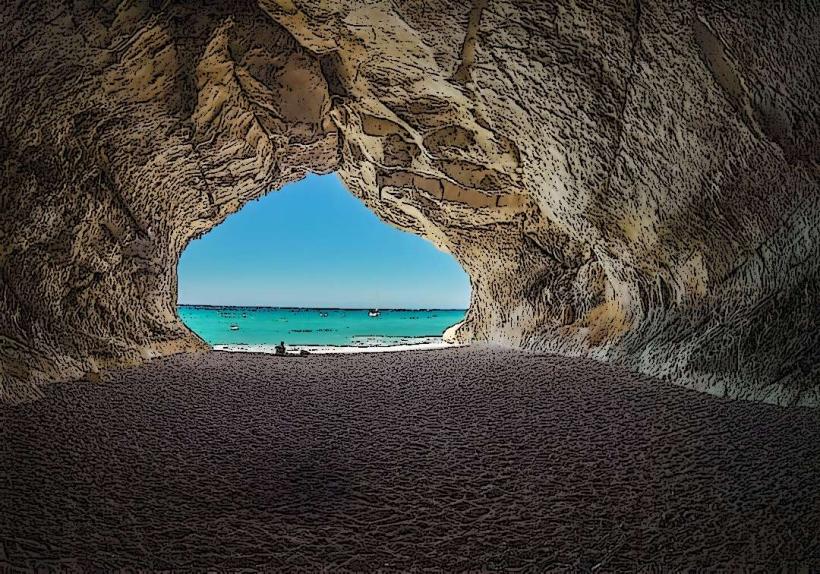
Landmark: Igbo Landing
City: Anambra
Country: Nigeria
Continent: Africa
Igbo Landing, Anambra, Nigeria, Africa
Igbo Landing is a historical site located on St. Simons Island, Georgia, United States. It is recognized as a place of significant historical and cultural importance related to the transatlantic slave trade.
Visual Characteristics
The site is characterized by a tidal estuary and marshland. The terrain consists of mudflats and salt marshes, with vegetation primarily composed of cordgrass and other salt-tolerant plants. The water is brackish, influenced by the tides of the Atlantic Ocean.
Location & Access Logistics
Igbo Landing is situated on the northern end of St. Simons Island, Georgia. Access is via Frederica Road, turning onto the unpaved path leading to the landing. The site is approximately 10 miles north of the village of St. Simons. Parking is available on a gravel lot adjacent to the path. Public transport options to St. Simons Island are limited; the nearest major airport is Jacksonville International Airport (JAX) in Florida, approximately 70 miles south. From the island's village, a private vehicle or taxi is required to reach Igbo Landing.
Historical & Ecological Origin
Historically, Igbo Landing is the site of a mass suicide in 1803. Enslaved Igbo people, transported from West Africa, reportedly chose to drown themselves in the tidal waters rather than endure enslavement. Ecologically, the area is a salt marsh estuary, a critical habitat for various marine and bird species, shaped by the ebb and flow of the Atlantic tides.
Key Highlights & Activities
Visitors can observe the tidal marsh landscape. Interpretive signage provides historical context. Walking the designated paths offers views of the estuary. Photography of the natural environment is possible.
Infrastructure & Amenities
Basic amenities are minimal. There are no permanent restroom facilities or food vendors directly at Igbo Landing. Shade is limited to natural vegetation. Cell phone signal (4G/5G) is generally available but can be intermittent due to the remote location.
Best Time to Visit
For optimal viewing of the marshland and to avoid extreme heat, the months of March through May and September through November are recommended. Early morning or late afternoon provides softer lighting for photography. Access to certain areas may be restricted during high tide due to inundation.
Facts & Legends
A local legend states that the enslaved Igbo people who perished at this site could fly and that their spirits still guard the area. The historical event is a somber reminder of the brutality of the slave trade and the resistance of enslaved Africans.
Nearby Landmarks
- Fort Frederica National Monument (2.5km Southwest)
- Christ Church, Frederica (3.0km Southwest)
- The Village of St. Simons (16km South)
- Sea Island (8km Southeast)