Landmark: Îles de la Baie
City: Cayenne
Country: French Guiana
Continent: South America
Îles de la Baie, Cayenne, French Guiana, South America
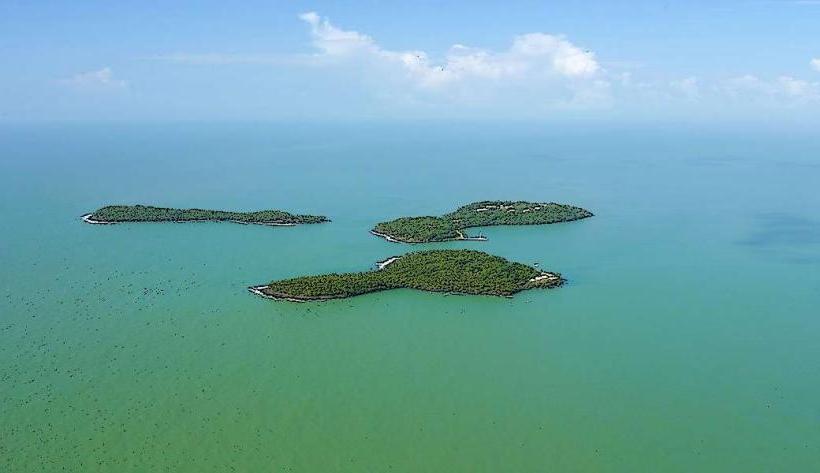
The Îles de la Baie are an archipelago consisting of three main islets: Île du Père, Île de la Mère, and Île du Diable (Devil's Island), situated off the coast of Cayenne, French Guiana.
Visual Characteristics
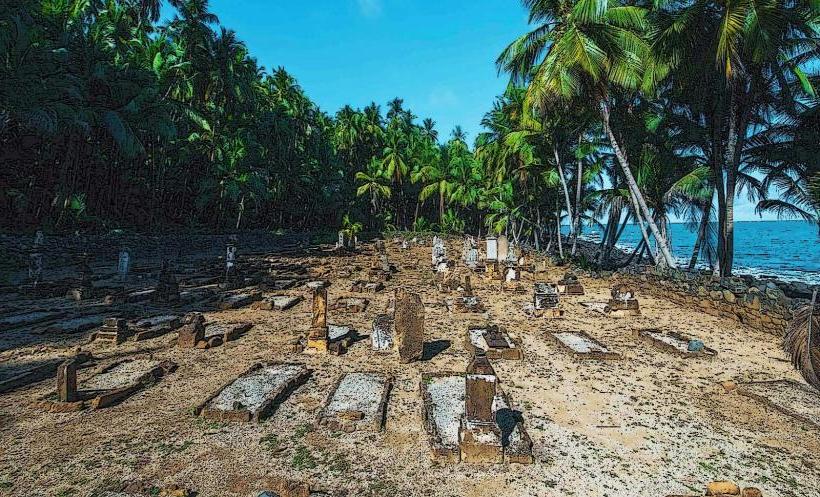
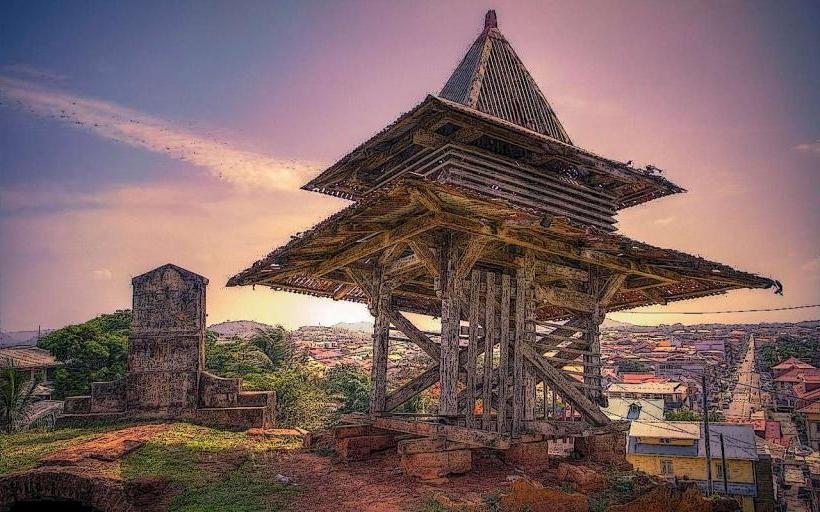
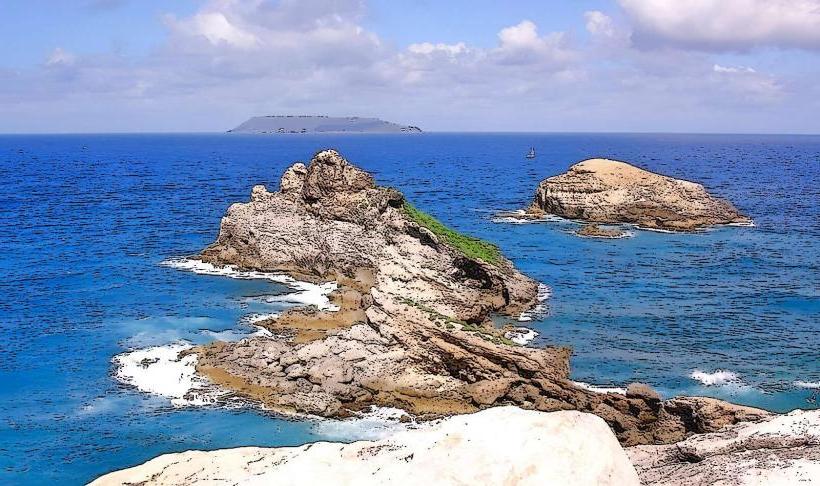
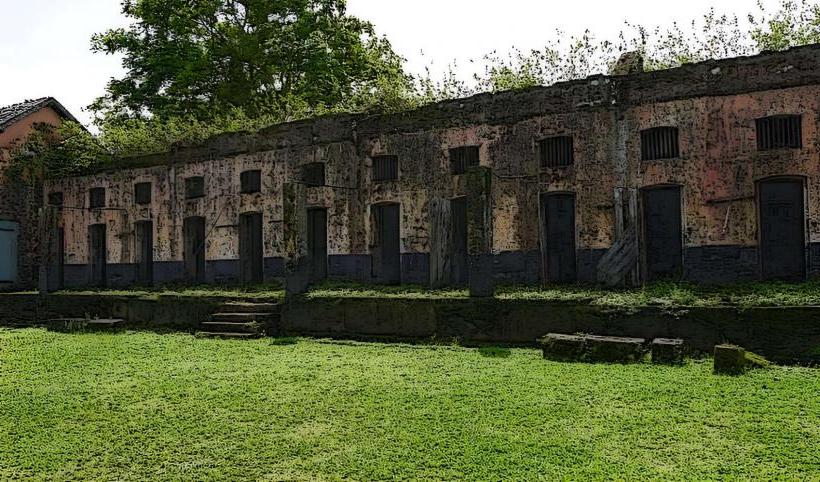
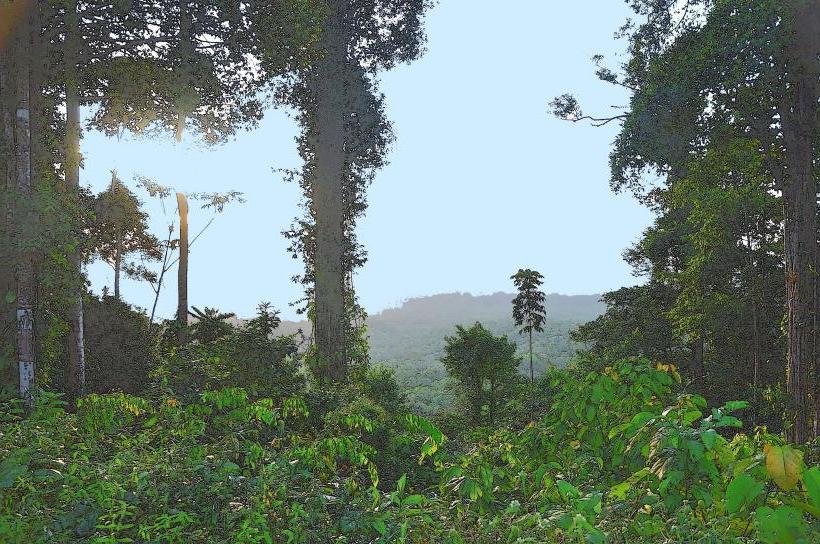
The islets are characterized by their rocky coastlines, dense tropical vegetation, and small sandy coves. Île du Père and Île de la Mère feature remnants of historical structures, including former Penal Colony buildings and a lighthouse. The surrounding waters are typically clear, exhibiting shades of turquoise and deep blue, with coral formations visible in shallower areas.
Location & Access Logistics
The Îles de la Baie are located approximately 11 kilometers north-northwest of Cayenne. Access is exclusively by boat. Private charters and organized tours depart from the Port de Dégrad des Cannes in Rémire-Montjoly, a commune adjacent to Cayenne, or from the Port de Pêche in Cayenne itself. The boat journey typically takes 45-60 minutes, depending on sea conditions and the specific islet destination. Parking is available at both departure ports. There is no public transport directly to the islands; boat services are the sole method of access.
Historical & Ecological Origin
The islets are primarily composed of ancient volcanic rock formations. Ecologically, they serve as important nesting sites for various seabirds and host diverse marine life in their surrounding coral reefs. Historically, the islands, particularly Île du Diable, were part of the infamous French penal colony system, operational from 1852 to 1953. Île du Père and Île de la Mère also housed facilities related to the penal system, including a leper colony and administrative buildings.
Key Highlights & Activities
Visitors can engage in snorkeling and swimming in the designated coves, particularly around Île de la Mère. Hiking trails are present on Île du Père and Île de la Mère, allowing exploration of the historical ruins and observation of local flora and fauna. Bird watching is a common activity, with opportunities to observe species like frigatebirds and terns. Guided tours often provide historical context regarding the penal colony.
Infrastructure & Amenities
Infrastructure on the islands is minimal. Île de la Mère has basic restroom facilities and some shaded areas provided by trees. Île du Père offers fewer amenities. Cell phone signal (4G) is generally available on the islands, though coverage can be intermittent in certain spots. There are no permanent food vendors on the islets; visitors are advised to bring their own provisions and water. Some tour operators may provide refreshments as part of their package.
Best Time to Visit
The best time to visit the Îles de la Baie is during the dry season, which typically runs from August to December. During these months, rainfall is lower, and sea conditions are generally calmer, making boat travel more comfortable and water activities more enjoyable. For photography, early morning or late afternoon light provides optimal conditions, particularly for capturing the historical structures and coastal landscapes.
Facts & Legends
Île du Diable, the smallest of the three, gained notoriety as the most secure and isolated part of the penal colony, reserved for political prisoners. It was here that Captain Alfred Dreyfus was imprisoned. A local legend suggests that the spirits of former prisoners still linger on the islands, particularly on Île du Diable, contributing to its eerie atmosphere. A practical tip for visitors is to wear sturdy shoes for exploring the rocky terrain and historical ruins.
Nearby Landmarks
- Fort Cépérou (Cayenne) - 11.5km South-Southeast
- Place des Palmistes (Cayenne) - 12km South-Southeast
- Musée des Cultures Guyanaises (Cayenne) - 12.2km South-Southeast
- Jardin Botanique de Cayenne (Cayenne) - 12.5km South-Southeast
- Plage des Salines (Rémire-Montjoly) - 15km Southeast (from Îles de la Baie, but closer to boat departure points)