Landmark: Indian Cave
City: Codrington
Country: Antigua and Barbuda
Continent: North America
Indian Cave, Codrington, Antigua and Barbuda, North America
Indian Cave is a geological formation located on the island of Barbuda, within the nation of Antigua and Barbuda.
Visual Characteristics
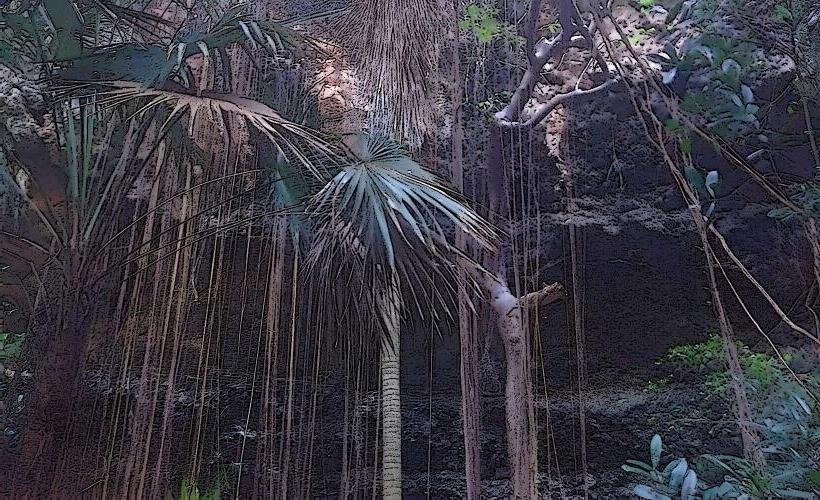
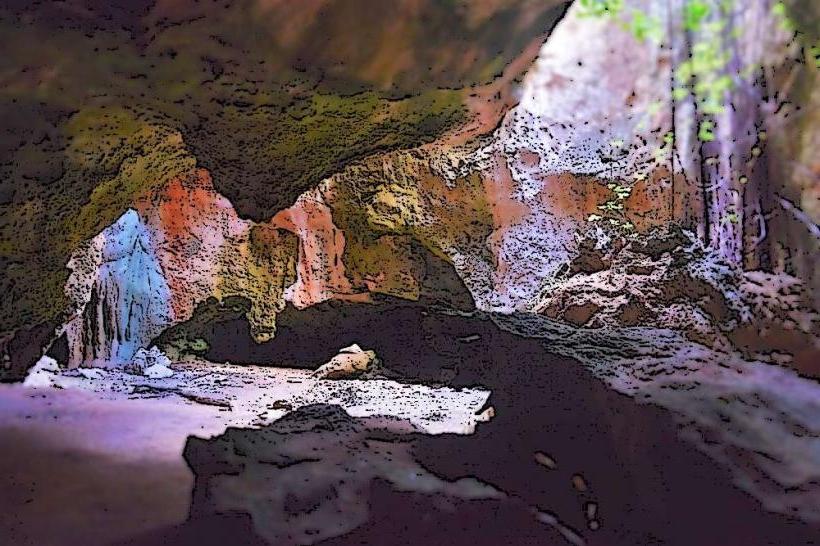
The cave system consists of limestone chambers characterized by stalactites and stalagmites. The interior walls exhibit mineral deposits, primarily calcium carbonate, creating varied textures and colors ranging from off-white to light brown. The entrance is a fissure in a low-lying limestone plateau.
Location & Access Logistics
Indian Cave is situated approximately 10 kilometers (6.2 miles) southeast of Codrington village. Access is via a dirt track that branches off the main road connecting Codrington to the southern part of the island. The track is generally passable by 2WD vehicles, though high clearance is recommended after rainfall. Parking is available at a small, unpaved area adjacent to the cave entrance. No public transport services operate directly to the cave.
Historical & Ecological Origin
The cave is a product of karst topography, formed by the dissolution of soluble limestone rock over millennia by rainwater. Evidence of human habitation, including petroglyphs, suggests use by indigenous peoples, likely the Taíno, dating back several centuries.
Key Highlights & Activities
Exploration of the cave's main chamber is the primary activity. Visitors can observe the natural limestone formations. Guided tours are available, providing context on the cave's geology and historical significance.
Infrastructure & Amenities
There are no permanent facilities at Indian Cave. Visitors should bring their own water and snacks. Cell phone signal is intermittent to non-existent within the cave and surrounding area. No restrooms or shade structures are present.
Best Time to Visit
The best time of day for visiting is between 10:00 AM and 2:00 PM, when sunlight penetrates the entrance, illuminating the formations. The dry season, from January to April, offers the most favorable weather conditions, with reduced humidity and minimal rainfall.
Facts & Legends
Local folklore suggests the cave was a sanctuary for indigenous peoples. The petroglyphs found within are among the few remaining examples of Taíno art in the region, depicting abstract figures and symbols.
Nearby Landmarks
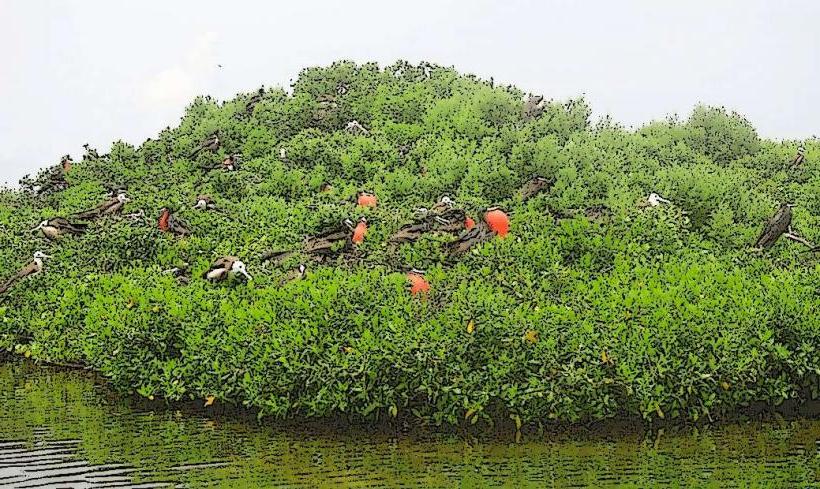
- Frigate Bird Sanctuary (3.5km Northwest)
- Two Foot Bay National Park (4.0km Southwest)
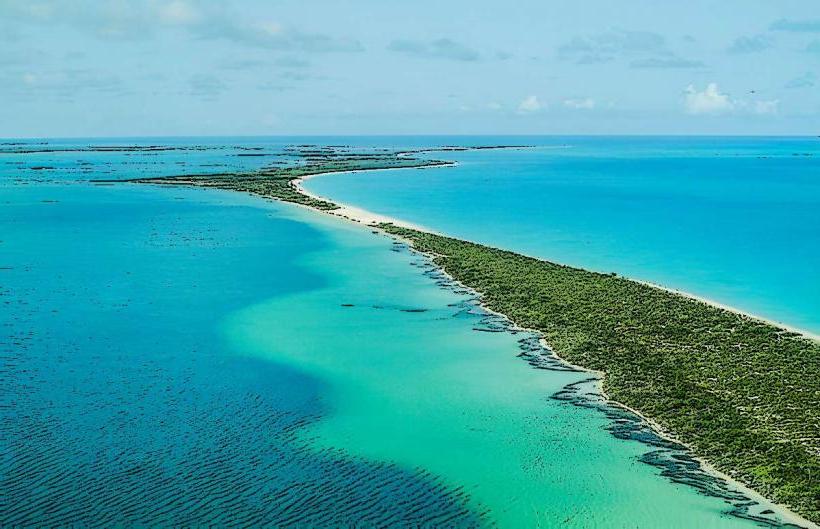
- Codrington Lagoon (6.0km West)
- Palmetto Point (7.5km South)