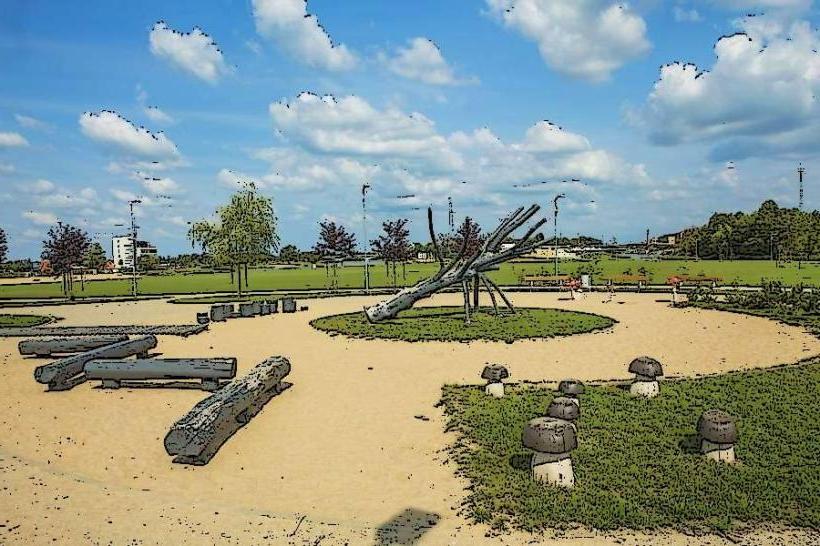
Landmark: Jelgava Park
City: Jelgava
Country: Latvia
Continent: Europe
Jelgava Park, Jelgava, Latvia, Europe
Visual Characteristics
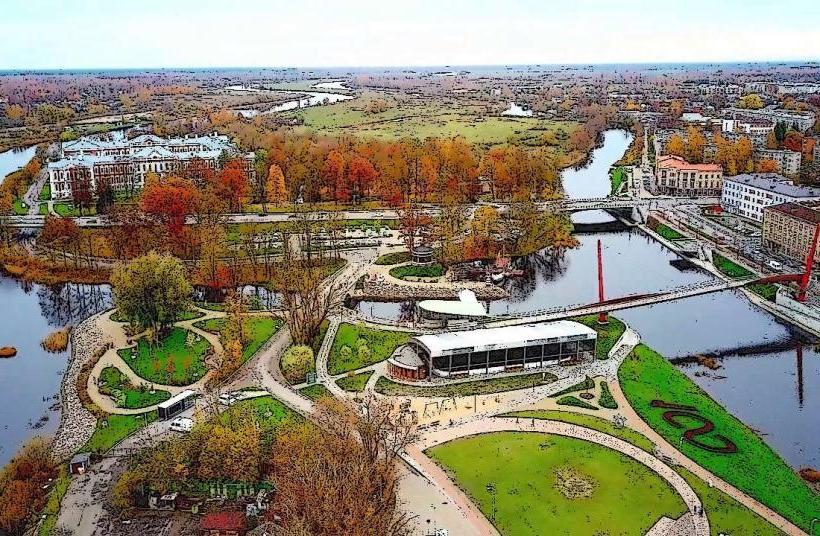
Jelgava Park features extensive lawns interspersed with mature deciduous trees, including oaks, lindens, and maples, providing a dense canopy in warmer months. Paved pedestrian pathways traverse the park, connecting various sections and seating areas equipped with wooden benches. A central fountain operates seasonally, and the park borders a section of the Lielupe River, offering views of the waterway.
Location & Access Logistics
The park is centrally located in Jelgava, approximately 0.5 kilometers west of the city center. Access is primarily via Lielā iela and Pasta iela. Limited street parking is available on surrounding streets. Public transportation includes several local bus lines; bus stops such as "Jelgavas pils" or "Pasta iela" are adjacent to the park perimeter, served by lines including Bus 1, 4, and 14.
Historical & Ecological Origin
Jelgava Park was established in the late 19th century as a public garden, evolving from earlier green spaces associated with the city's development. Its design incorporates elements of a traditional urban park, focusing on cultivated landscapes for public leisure. The park's proximity to the Lielupe River influences its ecological profile, supporting riparian vegetation in certain sections.
Key Highlights & Activities
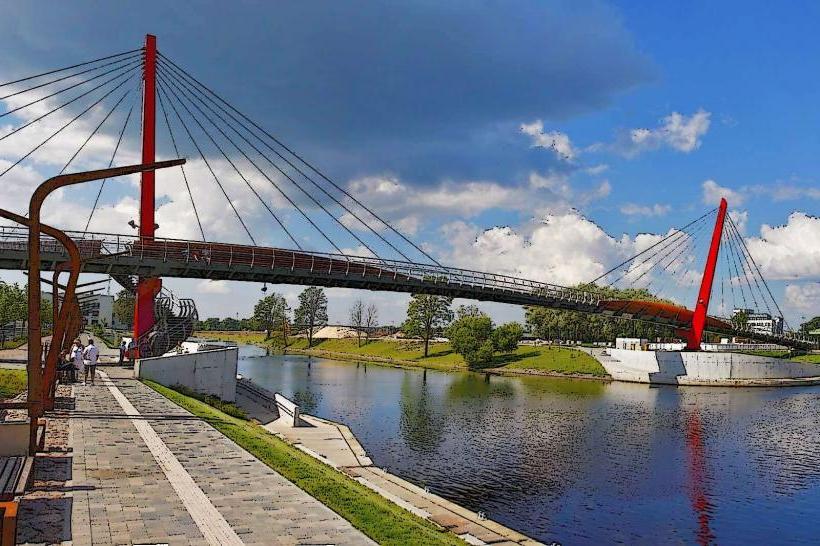
Visitors can engage in walking along the paved pathways, utilizing the numerous benches for rest, and observing local flora. The open lawns are suitable for informal recreation. During warmer months, the central fountain is operational. The park provides direct access to the Lielupe River promenade for extended walks.
Infrastructure & Amenities
Public restrooms are located near the park's main entrances. Ample natural shade is provided by the mature tree canopy. Cell phone signal (4G/5G) is consistently available throughout the park. Several cafes and small food vendors are situated on the perimeter streets adjacent to the park.
Best Time to Visit
The optimal period for visiting Jelgava Park is from late spring (May) through early autumn (September) when the vegetation is lush and the weather is temperate. For photography, late afternoon light provides softer illumination of the tree-lined avenues and river views. The park is accessible year-round during daylight hours.
Facts & Legends
A local anecdote suggests that one of the park's oldest oak trees, located near the riverbank, was planted to commemorate a significant historical event in Jelgava, though specific documentation is scarce. A verified historical fact is that the park served as a popular gathering spot for public events and concerts during the early 20th century.
Nearby Landmarks
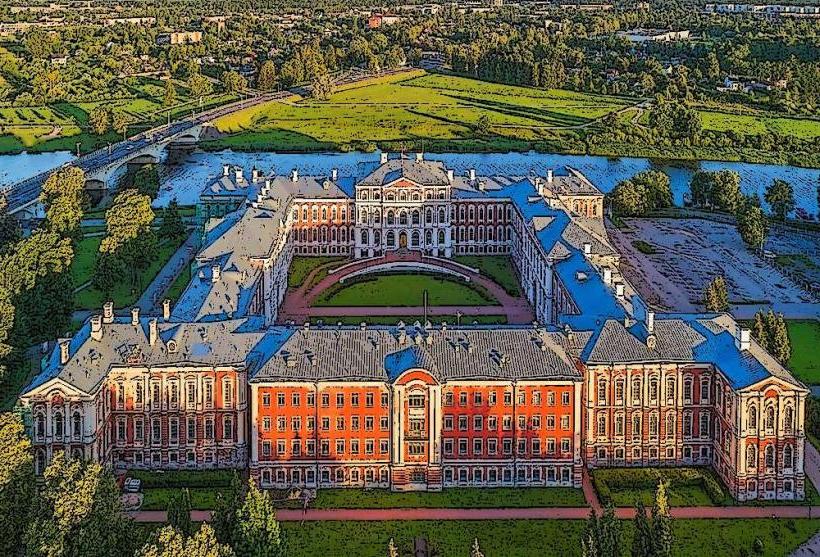
- Jelgava Palace: 0.3km North
- Holy Trinity Church Tower: 0.7km East
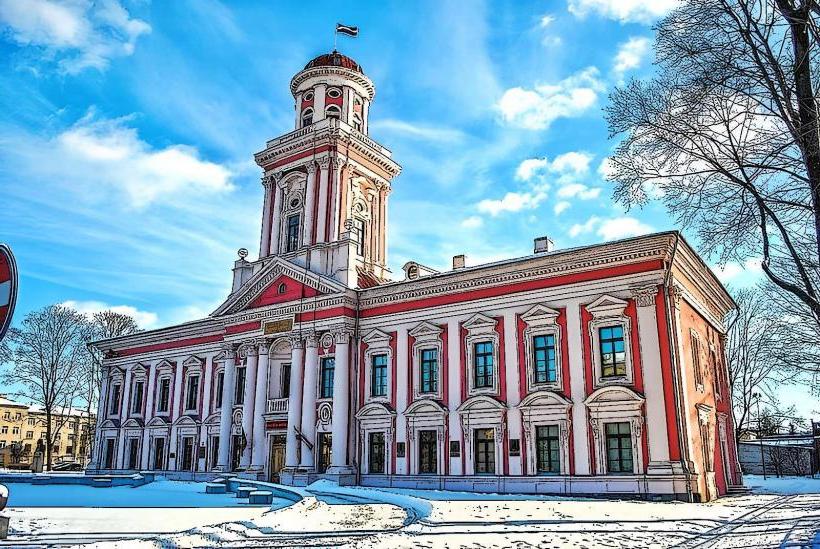
- Academia Petrina (Jelgava History and Art Museum): 0.6km Southeast
- Lielupe River Promenade: Adjacent, West