Information
Landmark: Jeonju Hanok VillageCity: Jeonju
Country: South Korea
Continent: Asia
Jeonju Hanok Village, Jeonju, South Korea, Asia
Jeonju Hanok Village is a preserved traditional Korean village located in Jeonju, South Korea. It contains over 800 traditional Korean houses, known as hanoks.
Visual Characteristics
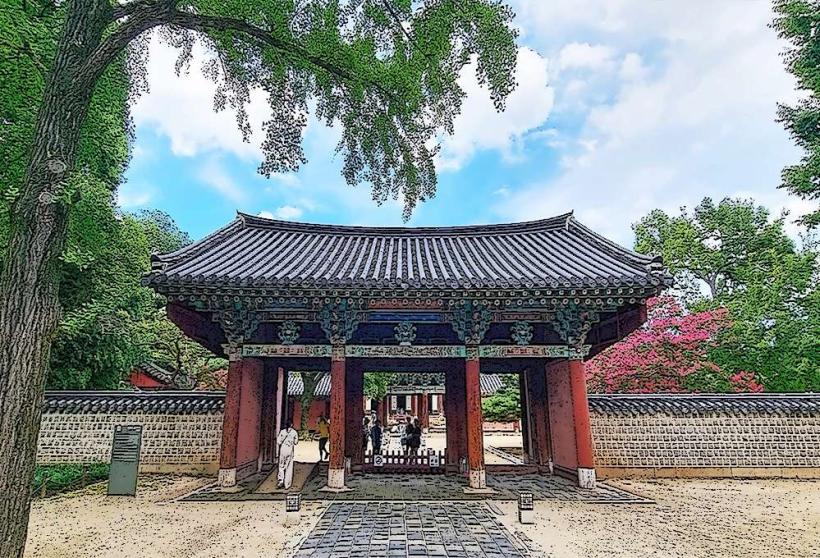
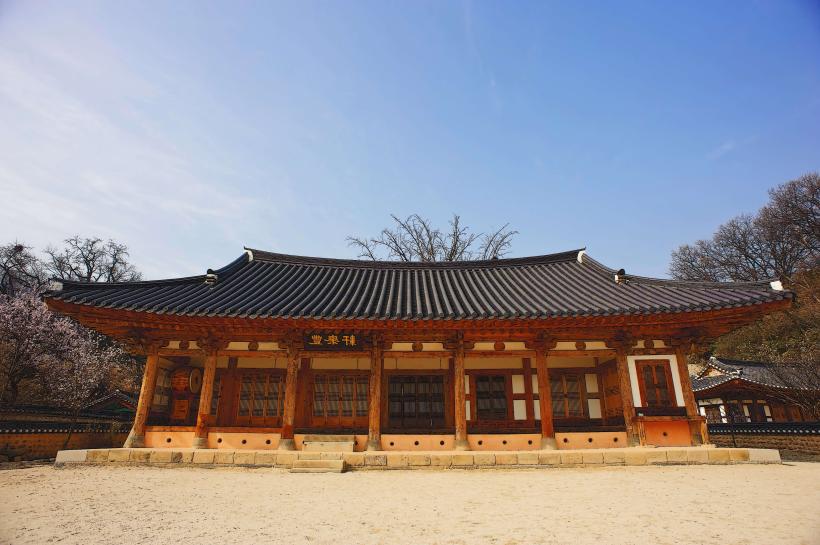
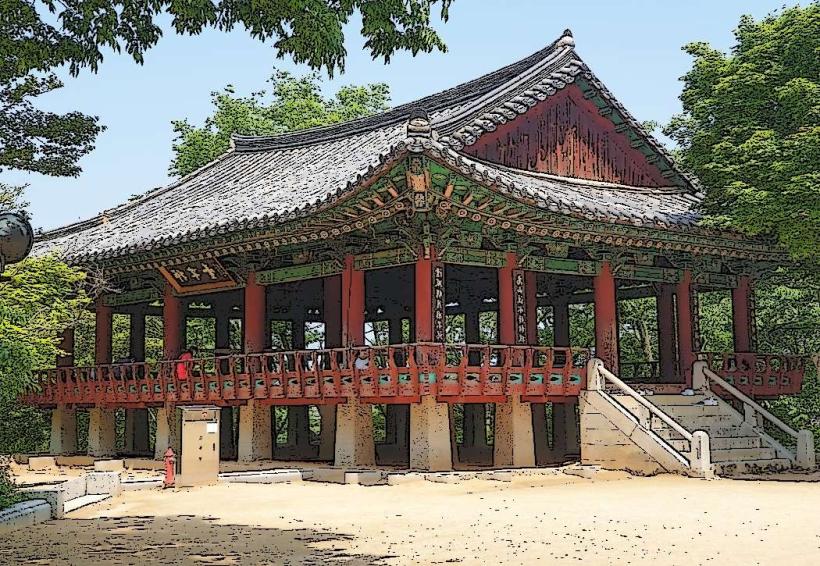
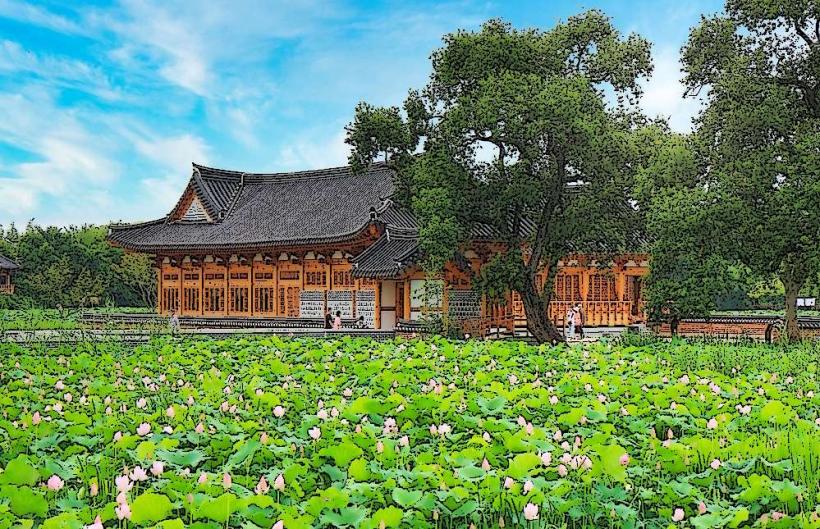
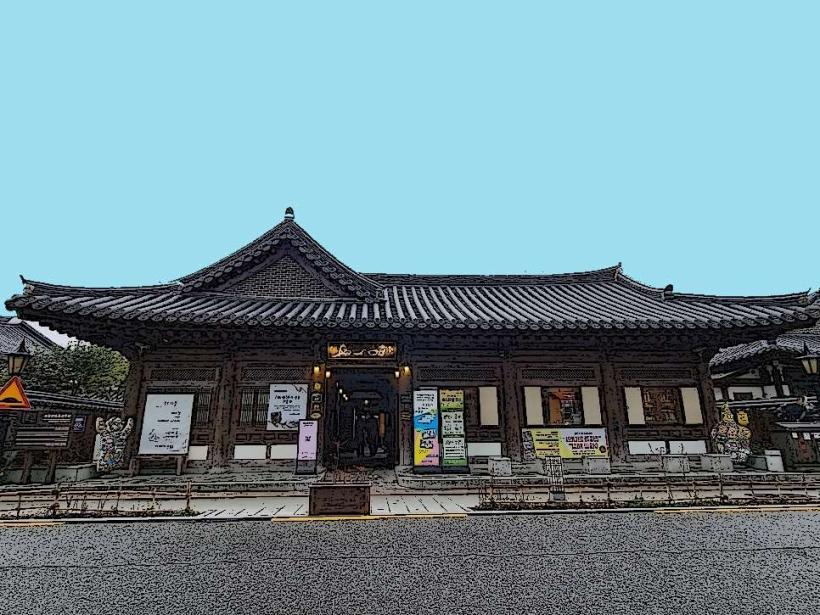
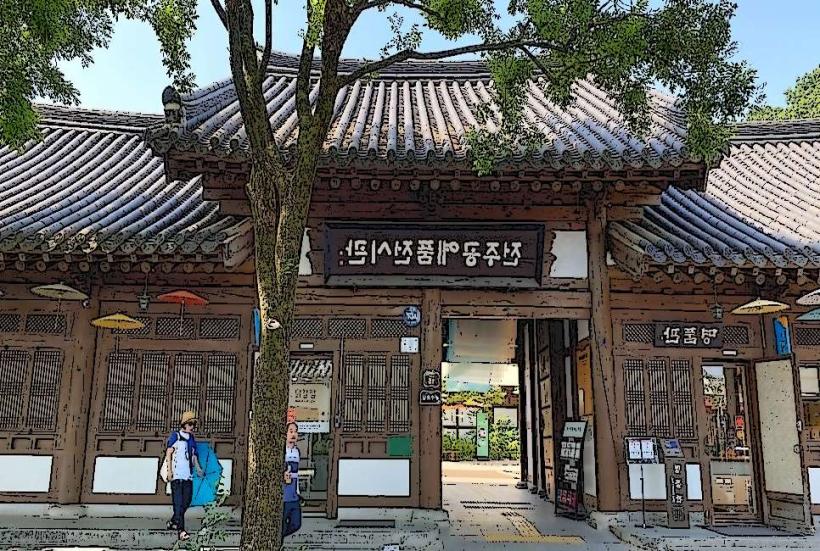
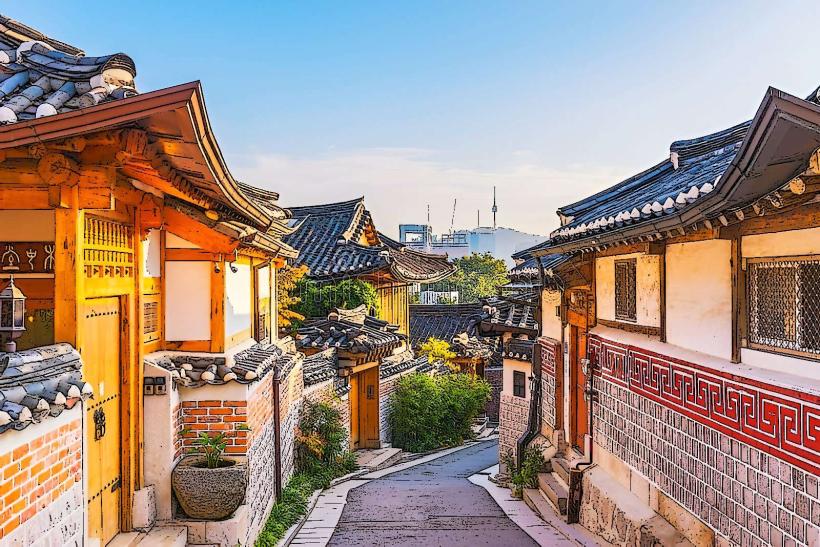
The village features over 800 hanoks constructed with wood and earth. Roofs are typically tiled with dark grey or black tiles (giwa). Walls are often white or earthen tones. Many hanoks have internal courtyards (madang). The architectural style is traditional Joseon Dynasty Korean.
Location & Access Logistics
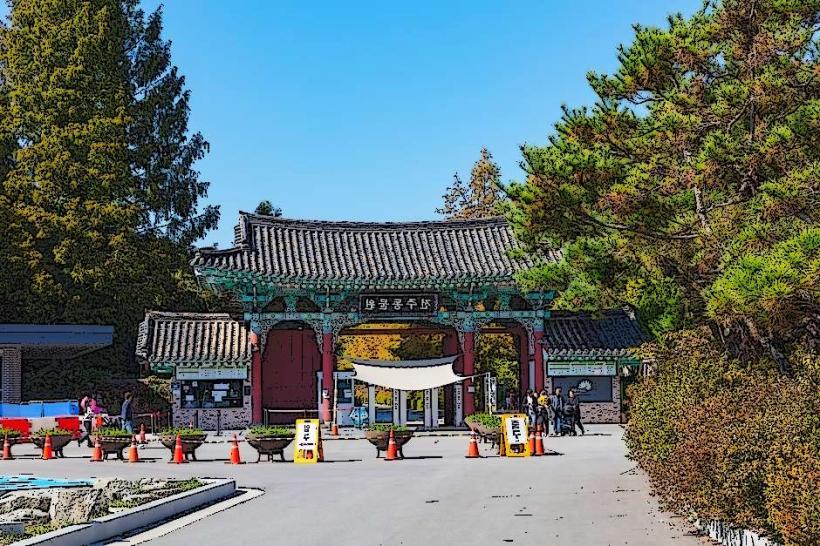
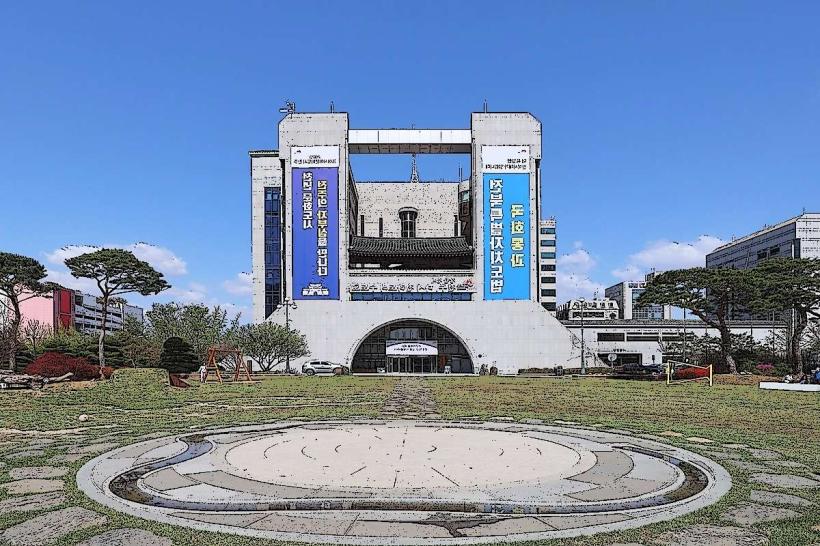
The village is situated in the central district of Jeonju. It is approximately 2km from Jeonju Station. Access by car involves navigating local city roads; parking is available in designated multi-story car parks surrounding the village perimeter, such as the one near the Jeonju Citizens' Hall. Public transport options include city bus routes 5-1, 12, 58, 79, and 105, which stop at or near the village entrance. The closest subway station is not applicable as Jeonju does not have a subway system.
Historical & Ecological Origin
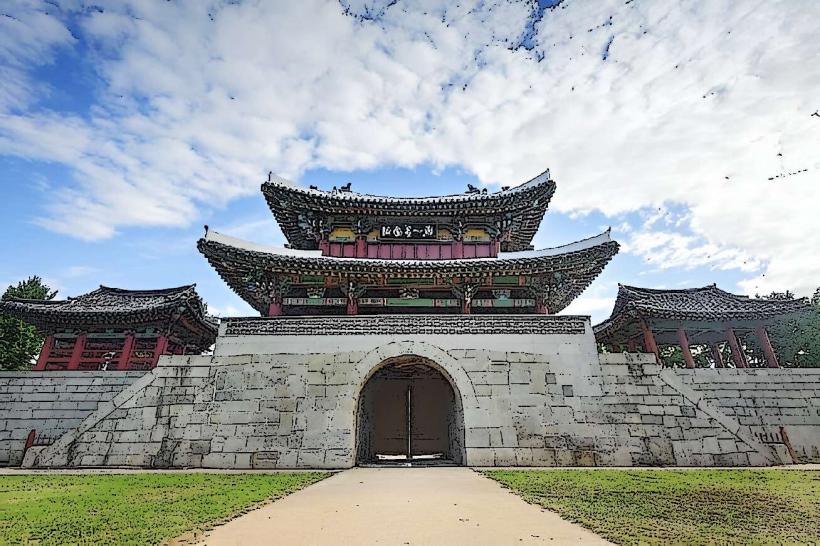
The village's origins date back to the Joseon Dynasty, serving as the administrative and economic center of Jeonju. The hanok architectural style developed over centuries, reflecting traditional Korean living principles and climate adaptation. The area was designated a preservation zone in 1977 to protect its historical character.
Key Highlights & Activities
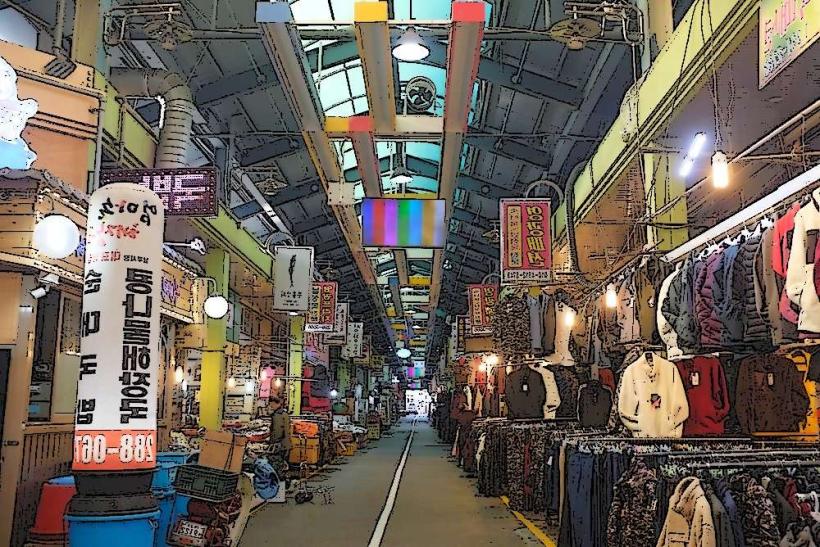
Visitors can walk through the village streets, observing hanok architecture. Hanbok (traditional Korean clothing) rental is available for photography. Traditional craft workshops, such as pottery and paper making, are offered. Food tasting of local Jeonju specialties is a primary activity. Some hanoks are open as museums or cultural centers.
Infrastructure & Amenities
Restrooms are located throughout the village, particularly near tourist information points and major attractions. Shade is provided by the architecture of the hanoks and some trees. Cell phone signal (4G/5G) is generally strong within the village. Numerous food vendors and restaurants are present within the village and on its immediate periphery.
Best Time to Visit
For photography, early morning (07:00-09:00) offers soft light and fewer crowds. Late afternoon (16:00-18:00) also provides favorable lighting. The best months for weather are April, May, September, and October, with average temperatures ranging from 15°C to 25°C. Summer months (June-August) can be hot and humid, while winter (December-February) is cold.
Facts & Legends
A notable historical fact is that Jeonju was the birthplace of Yi Seong-gye, the founder of the Joseon Dynasty. The village is also renowned as the origin of Bibimbap, a popular Korean mixed rice dish.
Nearby Landmarks
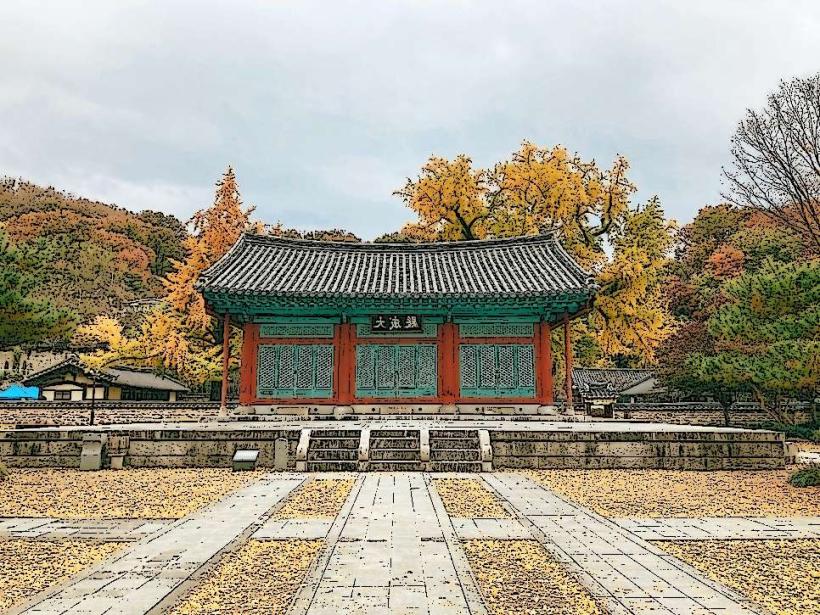
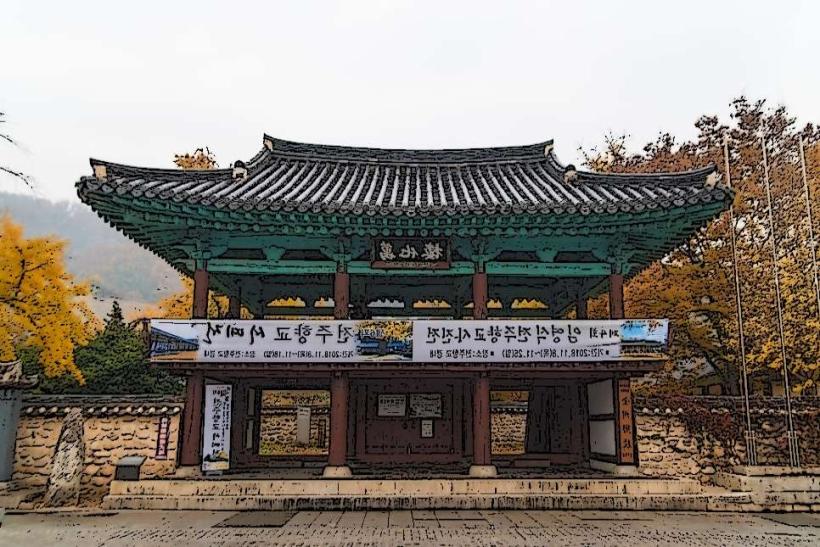
- Jeonju Hyanggyo (Confucian School): 0.2km West
- Omokdae and Imokdae: 0.3km North-East
- Jeonju National Museum: 2.5km South-West
- Jaman Mural Village: 0.4km East
- Jeonju Citizens' Hall: 0.5km South