Information
Landmark: Kalaupapa National Historical ParkCity: Molokai
Country: USA Hawaii
Continent: North America
Kalaupapa National Historical Park, Molokai, USA Hawaii, North America
Kalaupapa National Historical Park is a protected area located on the island of Molokai, Hawaii, USA.
This park preserves the historical site of the former Kalaupapa Settlement, a place of isolation for individuals with Hansen's disease.
Visual Characteristics
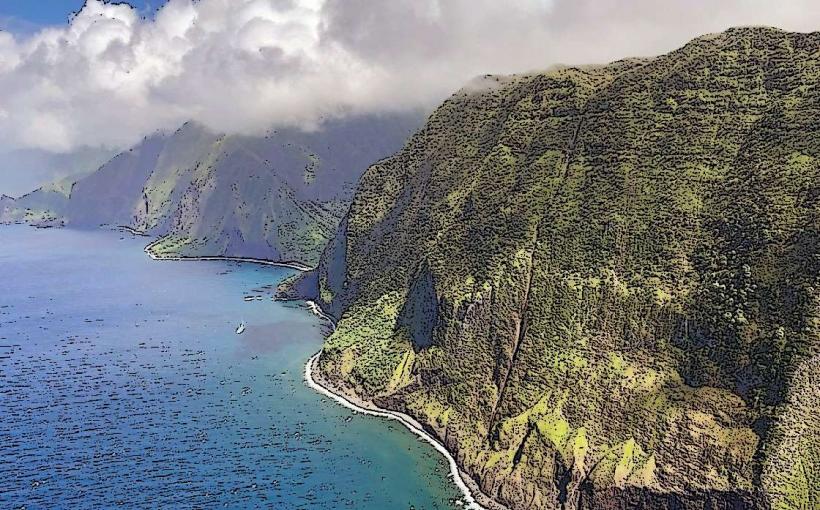
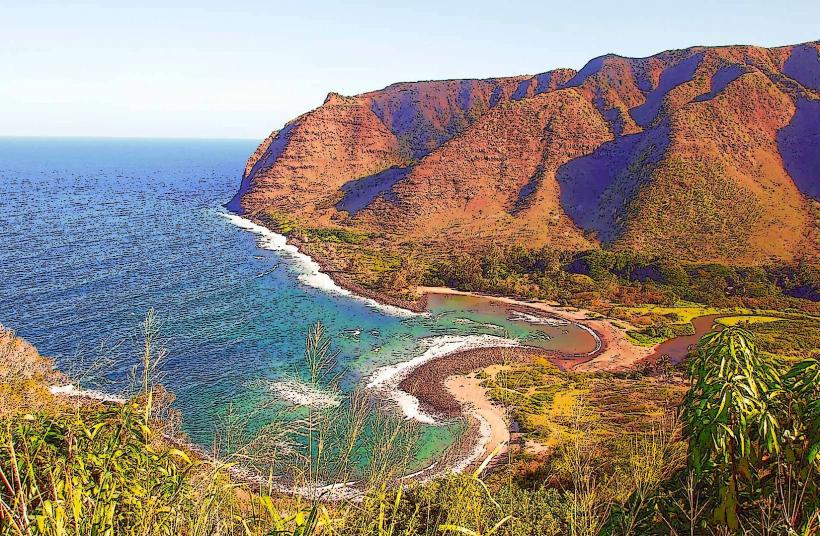
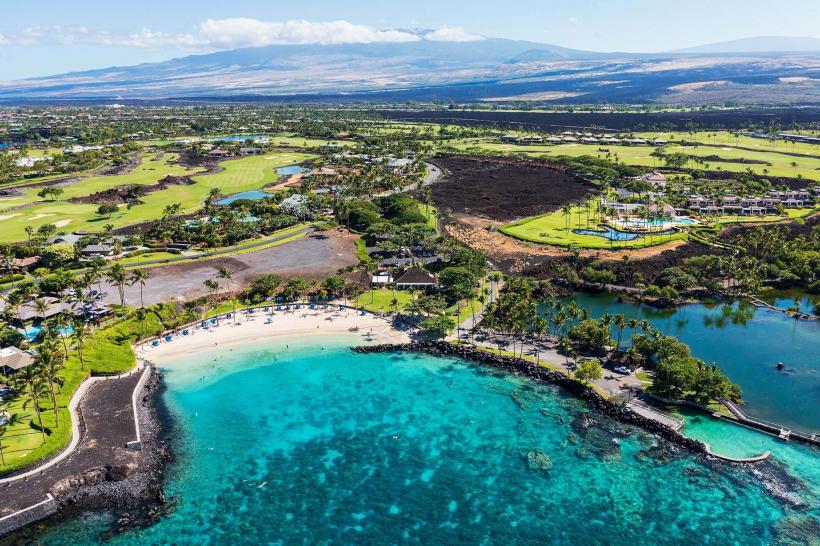
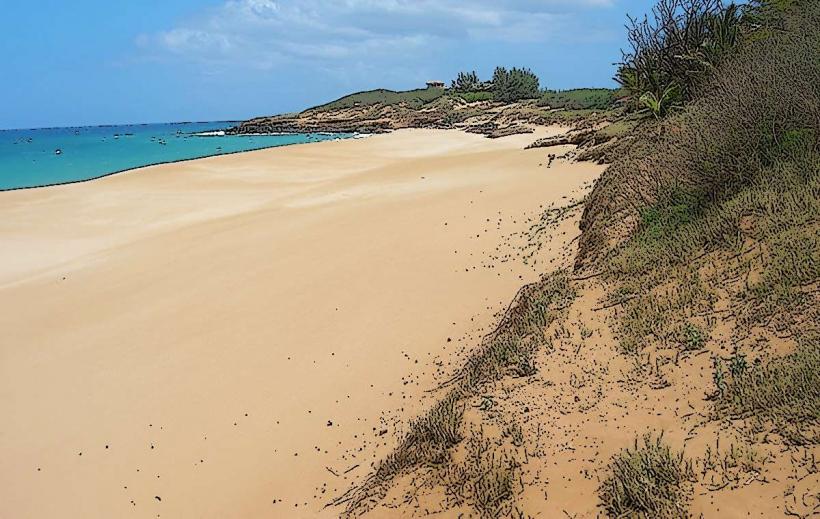
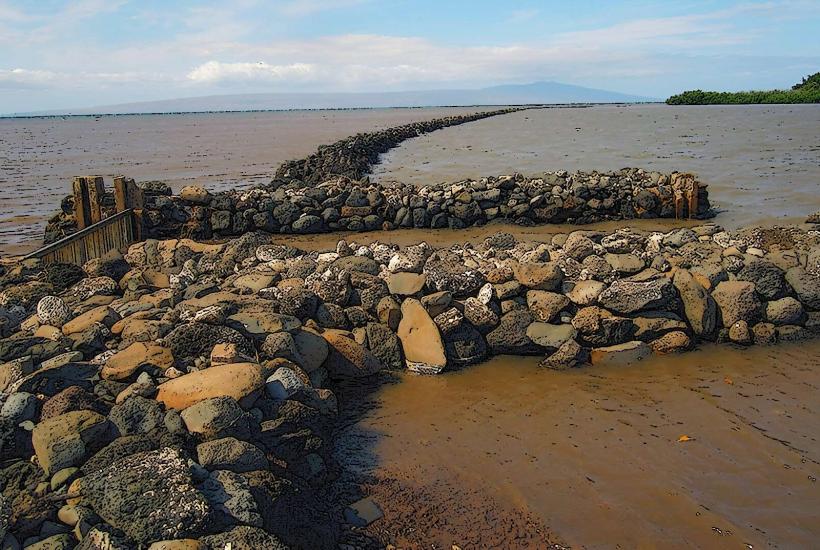
The park occupies a narrow, flat peninsula bordered by the Pacific Ocean to the west and north, and steep cliffs to the east. The terrain consists of coastal plains with sparse, dry vegetation, including grasses and low shrubs. The coastline features dark volcanic rock formations and small, rocky beaches. The cliffs, which rise over 300 meters, are characterized by sheer rock faces and occasional waterfalls during periods of heavy rainfall.
Location & Access Logistics
Kalaupapa is situated on the northern coast of Molokai. Access is restricted. Visitors must obtain a permit from the National Park Service and are typically transported via a mule ride down a steep trail or a guided hike. Commercial flights to Kalaupapa Airfield are limited and require prior arrangement. Driving to the park is not permitted for the general public. The nearest major town is Kaunakakai, approximately 25 kilometers by road to the south.
Historical & Ecological Origin
Kalaupapa was established as a place of forced exile for individuals diagnosed with Hansen's disease (leprosy) in 1866 under Hawaiian Kingdom law. The settlement operated as a penal colony and later as a place of care and community for its residents. The peninsula itself is a geological formation of volcanic basalt, formed by lava flows from the West Molokai volcano.
Key Highlights & Activities
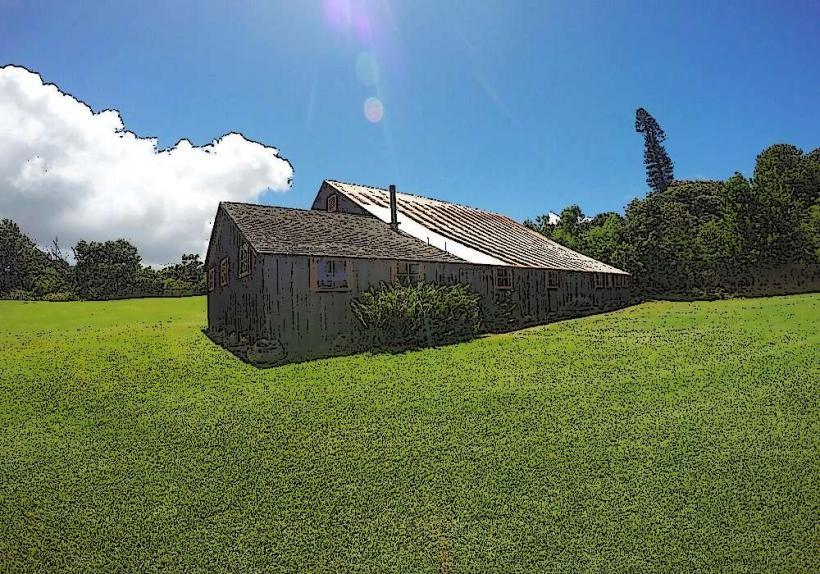
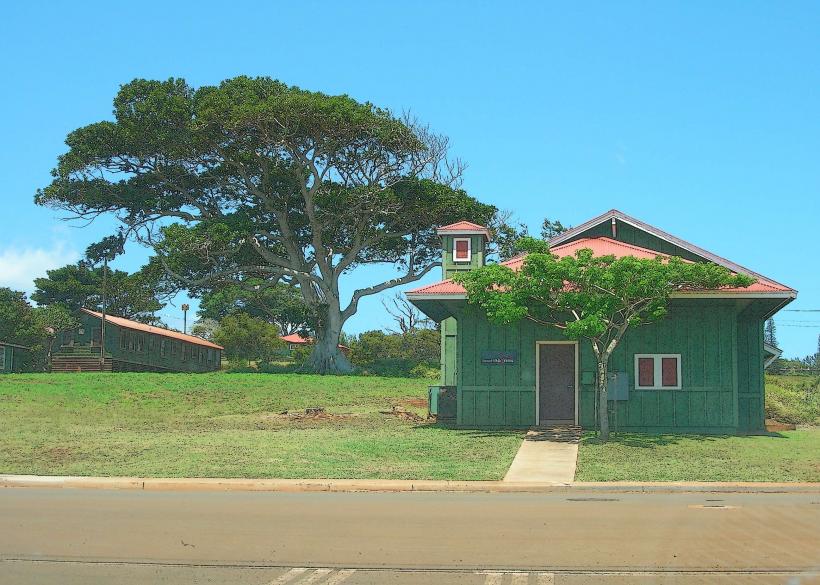
Visitors can participate in guided walking tours of the historic settlement, which include visits to the former hospital, church, and residential areas. Photography of the historical structures and the surrounding landscape is permitted. Observing the natural environment, including birdlife and coastal geology, is also a focus for visitors.
Infrastructure & Amenities
Basic restroom facilities are available within the settlement. Shade is limited, primarily provided by existing structures. Cell phone signal is unreliable within the park. There are no food vendors or restaurants within Kalaupapa National Historical Park; visitors are required to bring their own food and water.
Best Time to Visit
The best time of day for photography is generally mid-morning to early afternoon, when the sun provides direct light on the landscape and structures. The dry season, from April to October, offers the most favorable weather conditions with less rainfall. Access is dependent on weather conditions, particularly for the mule ride and hiking trail.
Facts & Legends
Father Damien de Veuster, a Belgian Catholic priest, and Mother Marianne Cope, a Franciscan nun, are well-known figures who dedicated their lives to serving the residents of Kalaupapa. Both have been beatified by the Catholic Church. A specific tip for visitors is to wear sturdy footwear suitable for walking on uneven terrain and to be prepared for the return journey, which involves a significant uphill climb or mule ride.
Nearby Landmarks
- Halawa Valley (15km East)
- Papohaku Beach (20km Southwest)
- Kaunakakai Town (25km South)
- Iliiliopae Heiau (22km South)