Landmark: Kebili Salt Flats
City: Kebili
Country: Tunisia
Continent: Africa
Kebili Salt Flats, Kebili, Tunisia, Africa
The Kebili Salt Flats are a large, arid expanse located in the Kebili Governorate of Tunisia. This geological formation is characterized by its extensive salt crust and arid desert environment.
Visual Characteristics
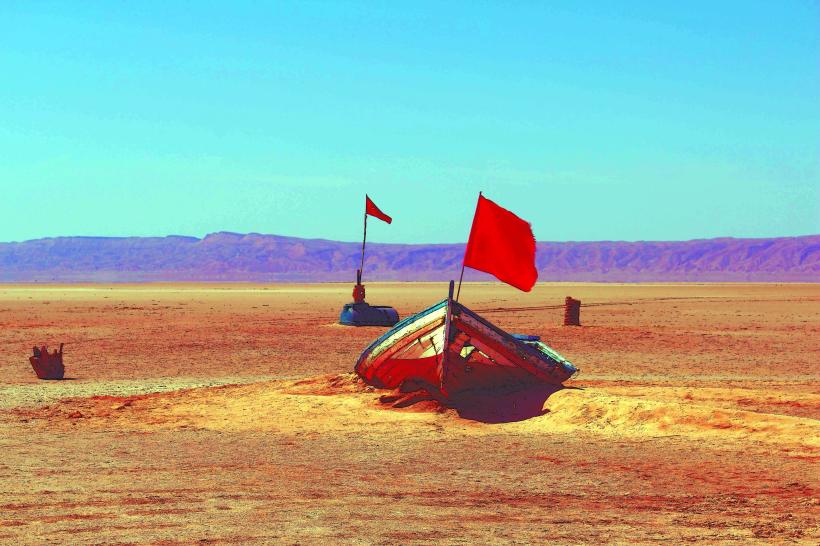
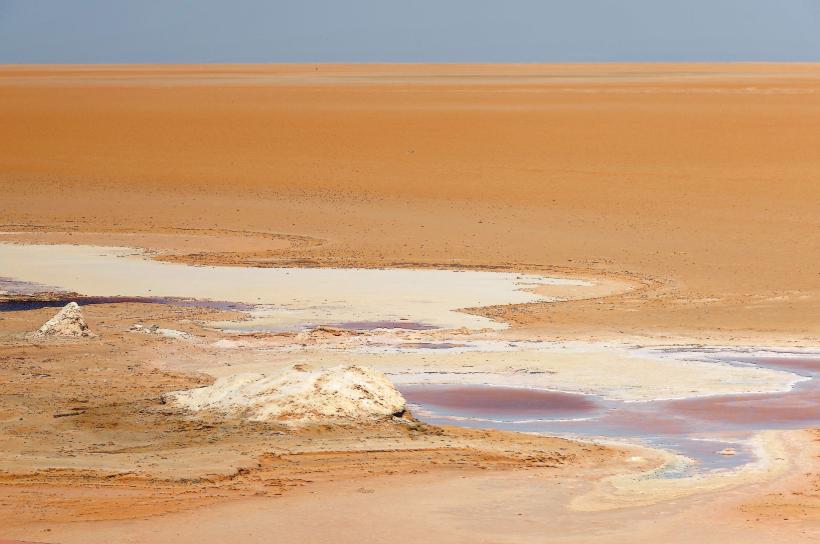
The surface of the salt flats is predominantly a white, crystalline salt crust, varying in thickness. In some areas, exposed soil and sand are visible, exhibiting shades of brown and ochre. The surrounding landscape consists of low-lying desert terrain with sparse vegetation.
Location & Access Logistics
The Kebili Salt Flats are situated approximately 10 kilometers west of the city of Kebili. Access is via Route P16, a paved road. Turn south onto an unpaved track approximately 5 kilometers west of Kebili. This track leads directly onto the salt flats. No designated parking areas exist; vehicles can be parked on the firmer edges of the flats. Public transport does not directly service the salt flats; travel to Kebili city is required first, typically by bus from larger Tunisian cities.
Historical & Ecological Origin
The Kebili Salt Flats are a chott, a type of endorheic salt lake basin common in North Africa. These basins form in arid regions where water evaporates faster than it can drain, leaving behind dissolved salts. The formation is a result of geological subsidence and arid climate conditions over millennia.
Key Highlights & Activities
Walking or driving across the salt crust is possible when dry. Photography is a primary activity, particularly during sunrise and sunset for light conditions. Off-road vehicle exploration is common on the firmer sections.
Infrastructure & Amenities
No permanent infrastructure or amenities are present on the Kebili Salt Flats. Restrooms, shade, and food vendors are not available. Cell phone signal (4G/5G) is generally weak to non-existent within the flats themselves, though it may be present on the outskirts or in Kebili city.
Best Time to Visit
The best time of day for photography is during the golden hours of sunrise and sunset, when the low sun angle creates long shadows and enhances the texture of the salt crust. The best months for visiting are from October to April, avoiding the extreme heat of summer. The salt flats are generally accessible year-round, but heavy rainfall can create temporary shallow water bodies, making some areas impassable.
Facts & Legends
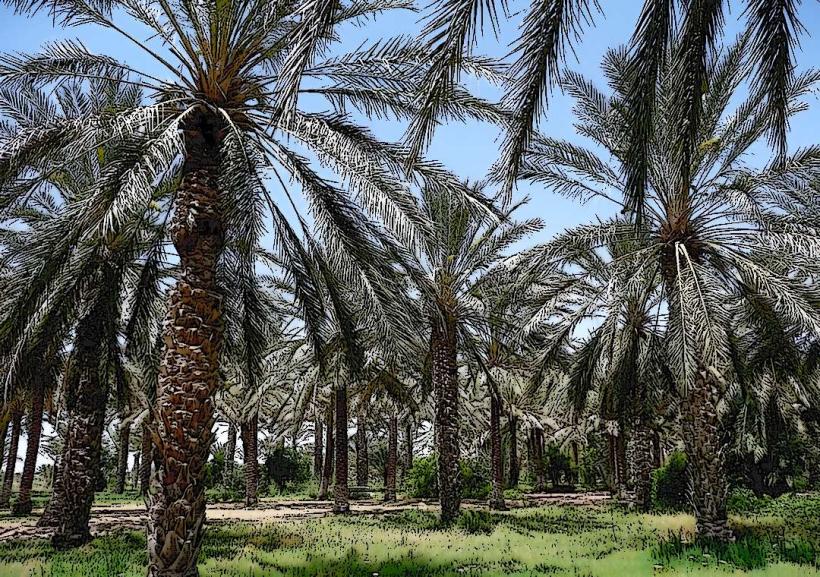
The Kebili region is known for its date palm oases, and local lore suggests that the salt flats were once a fertile area before arid conditions prevailed. A specific tip for visitors is to wear appropriate footwear that can handle salt crystals and to carry ample water, as the environment is extremely dry.
Nearby Landmarks
- Kebili City Center (10km East)
- Chott el Djerid (25km North-West)
- Douz (40km South)
- Ksar Ghilane (70km South-East)