Landmark: La Candelaria
City: Caracas
Country: Venezuela
Continent: South America
La Candelaria, Caracas, Venezuela, South America
La Candelaria is a historic neighborhood located in the central area of Caracas, Venezuela.
This district is characterized by its colonial architecture and its role as a cultural and commercial hub within the city.
Visual Characteristics
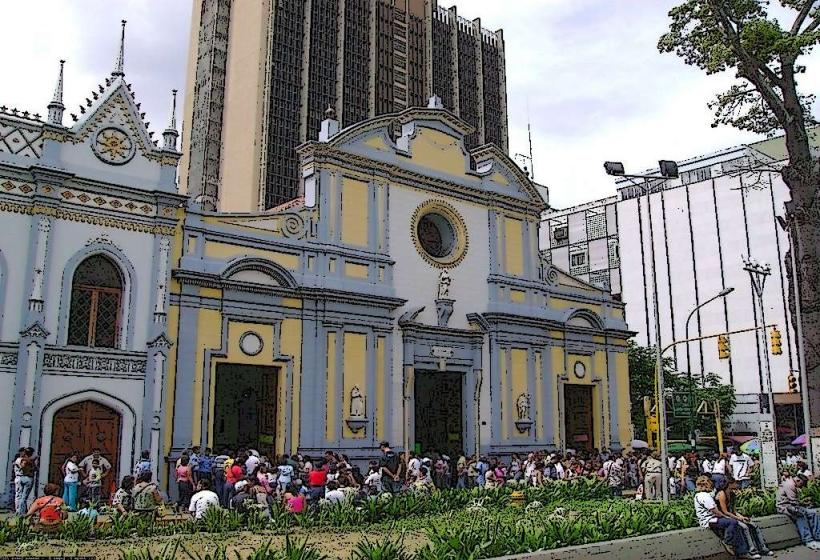
Buildings in La Candelaria primarily feature colonial architectural styles, with facades often constructed from brick and stucco. Colors range from muted earth tones to brighter, more recent paint applications. Many structures are two to three stories high, with wrought-iron balconies and tiled roofs. The streets are paved, and the urban layout follows a grid pattern typical of Spanish colonial planning.
Location & Access Logistics
La Candelaria is situated in the Libertador Municipality of Caracas. It is approximately 3 kilometers east of the city's central plaza, Plaza Bolívar. Access is primarily via Avenida Bolívar and Avenida Urdaneta. Parking is limited and often street-based, with some paid parking garages available. Public transport options include Metro de Caracas stations such as "La Candelaria" and "Bellas Artes," as well as numerous bus routes that traverse the main avenues.
Historical & Ecological Origin
La Candelaria was established in the mid-18th century, officially founded in 1780, to accommodate the growing population of Caracas. Its development was driven by the need for urban expansion beyond the original colonial core. The neighborhood's design reflects the urban planning principles of the era, with a focus on residential blocks and a central church, Iglesia de Nuestra Señora de La Candelaria.
Key Highlights & Activities
Visitors can explore the Iglesia de Nuestra Señora de La Candelaria, a significant religious site. The neighborhood hosts numerous small businesses, including bakeries, cafes, and shops selling traditional Venezuelan goods. Walking tours focusing on the area's architecture and history are available. The area is also known for its street art and cultural events, particularly during local festivals.
Infrastructure & Amenities
Restrooms are available in cafes and restaurants. Shade is provided by building overhangs and some street trees. Cell phone signal (4G/5G) is generally consistent throughout the neighborhood. Food vendors and small eateries are abundant within the district.
Best Time to Visit
The best time of day for photography is typically mid-morning or late afternoon when the sunlight provides definition to the building facades without harsh midday shadows. The weather in Caracas is generally stable year-round, but the dry season (December to March) offers the most predictable conditions. There are no tidal considerations for this urban landmark.
Facts & Legends
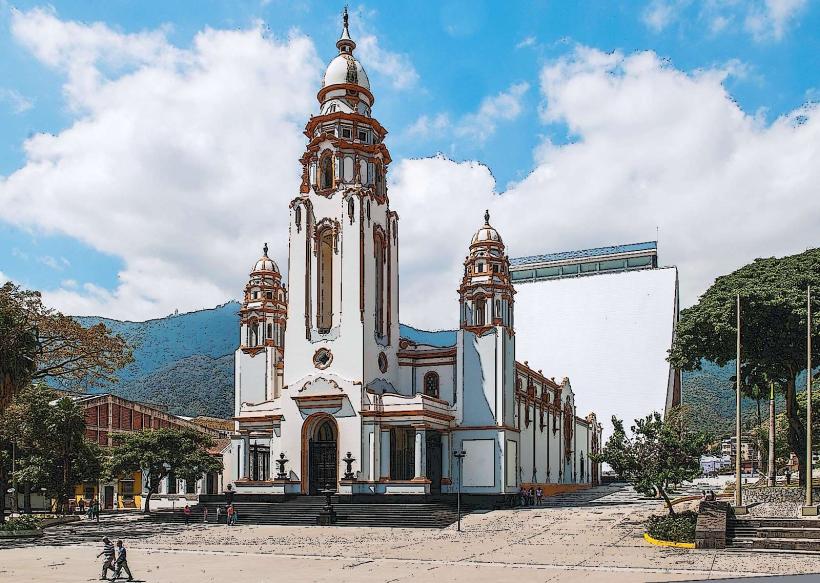
A notable historical oddity is the presence of the remains of Simón Bolívar, which were temporarily housed in the Iglesia de Nuestra Señora de La Candelaria before their final interment in the National Pantheon. A local tip for visitors is to look for the small, family-run panaderías (bakeries) that offer authentic Venezuelan pastries.
Nearby Landmarks
- Iglesia de San Francisco (0.8km West)
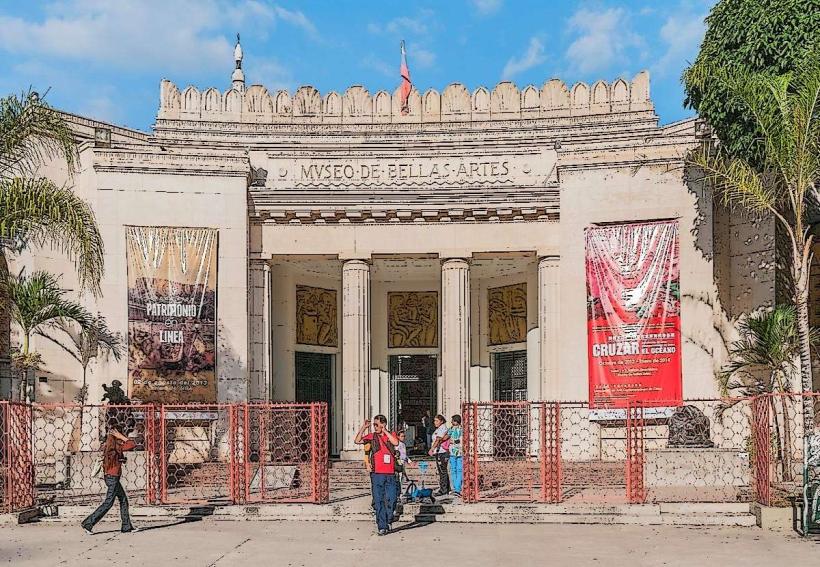
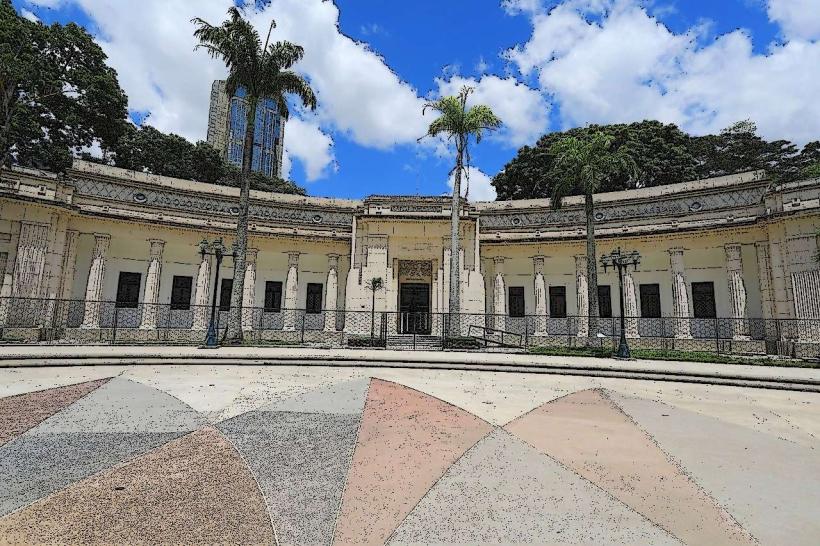
- Museo de Bellas Artes (1.2km West)
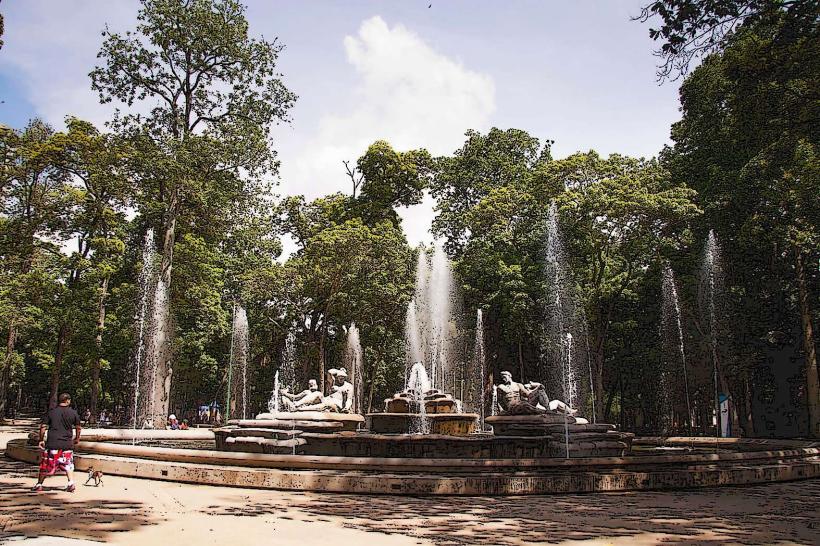
- Parque Los Caobos (1.5km West)
- Teatro Municipal de Caracas (1.0km West)
- Plaza Bolívar (2.0km West)