Landmark: La Ruta del Vino de Tucumán
City: Tucuman
Country: Argentina
Continent: South America
La Ruta del Vino de Tucumán, Tucuman, Argentina, South America
La Ruta del Vino de Tucumán is a wine-producing region located in the province of Tucumán, Argentina. It encompasses several vineyards and wineries situated in the foothills of the Andes Mountains.
Visual Characteristics
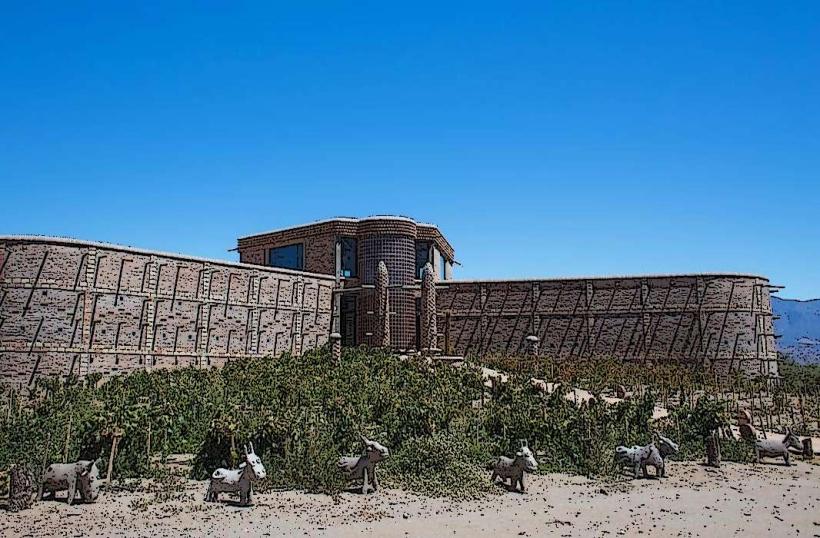
The landscape is characterized by terraced vineyards ascending steep slopes. Grape varietals are visible, with rows of vines typically spaced 1.5 to 2 meters apart. The soil composition is predominantly rocky and alluvial. Wineries often feature modern architectural designs with exposed concrete and large glass windows, contrasting with traditional adobe structures.
Location & Access Logistics
The route begins approximately 20 kilometers west of San Miguel de Tucumán. Access is primarily via Provincial Route 307, which connects San Miguel de Tucumán to the Calchaquí Valleys. Several wineries are located directly off this route. Parking is available at individual wineries, with capacity varying from 10 to 50 vehicles. Public transport options are limited; bus services run along Route 307, but specific stops at wineries are infrequent. It is recommended to use private transportation or hire a taxi/tour service.
Historical & Ecological Origin
Viticulture in Tucumán dates back to the colonial era, with early vineyards established by Jesuit missionaries. Modern wine production gained momentum in the late 20th century, capitalizing on the region's unique microclimate. The ecological origin is a high-altitude desert environment, with significant diurnal temperature variations and intense solar radiation. The altitude ranges from 1,200 to 1,800 meters above sea level.
Key Highlights & Activities
Wine tasting sessions are offered at most wineries. Guided tours detailing the winemaking process are available. Vineyard walks allow visitors to observe grape cultivation. Some establishments offer cooking classes focused on regional cuisine paired with local wines. Harvesting events occur during the autumn months (February-April).
Infrastructure & Amenities
Restroom facilities are available at all operating wineries. Shaded areas are provided in tasting rooms and outdoor seating zones. Cell phone signal (4G) is generally available in proximity to wineries, though it can be intermittent on Route 307. Food vendors are typically integrated within winery restaurants or tasting rooms; external food trucks are uncommon.
Best Time to Visit
The best months for visiting are from March to May, coinciding with the grape harvest and pleasant autumn weather. Mid-morning (10:00 AM - 12:00 PM) offers optimal lighting for vineyard photography due to the angle of the sun. High tide is not applicable to this landlocked region.
Facts & Legends
A specific local legend suggests that the high altitude and mineral-rich soil contribute to the wine's ability to "sing" when poured, a phenomenon attributed to the unique crystalline structure of the water used in the region. A verified historical oddity is the presence of ancient pre-Inca terraces found near some of the older vineyards, indicating agricultural practices predating European settlement.
Nearby Landmarks
- Tafí del Valle (15km Northwest)
- Ruinas de Quilmes (70km Southwest)
- Parque Nacional Los Alisos (45km South)
- San Javier viewpoint (10km West)
- San Miguel de Tucumán city center (20km East)