Landmark: Lagoon-Facing Reef Flats
City: Ailinglaplap Atoll
Country: Marshall Islands
Continent: Australia
Lagoon-Facing Reef Flats, Ailinglaplap Atoll, Marshall Islands, Australia
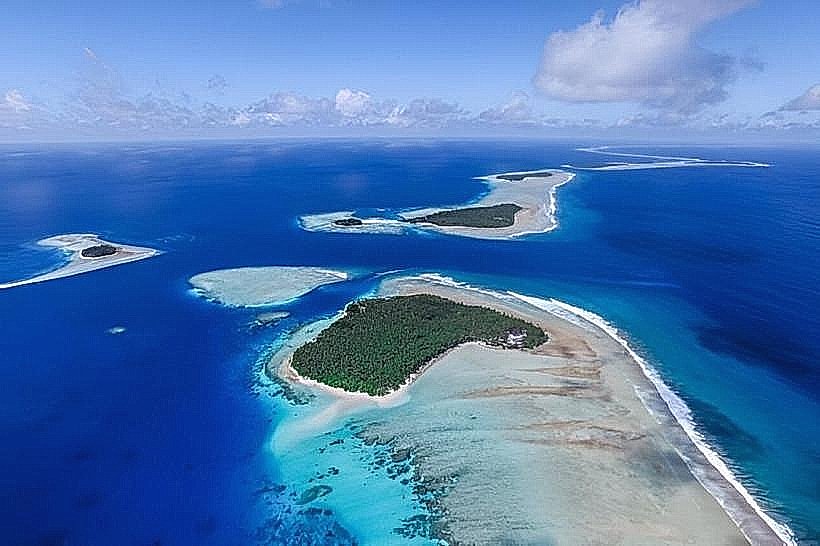
The Lagoon-Facing Reef Flats are a series of intertidal zones located on the western side of Ailinglaplap Atoll in the Marshall Islands.
These flats are characterized by their shallow, exposed areas during low tide, revealing a substrate of coral rubble and sand.
Visual Characteristics
The reef flats consist of a mosaic of sand patches, coral rubble, and exposed coral heads. Water depth during high tide averages 0.5 to 1.5 meters. The substrate is predominantly composed of calcium carbonate fragments from dead coral. Sparse seagrass beds are present in areas with finer sediment accumulation.
Location & Access Logistics
Access to the Lagoon-Facing Reef Flats is via boat from the main village of Bikar, located on the eastern side of Ailinglaplap Atoll. Boat travel time is approximately 45 minutes. There is no direct road access. Visitors typically arrange boat transport through local guides or the atoll administration. No dedicated parking facilities are available at the reef flats themselves.
Historical & Ecological Origin
These reef flats are part of the larger Ailinglaplap Atoll, a coral atoll formed over a submerged volcanic seamount. The current structure is a result of Holocene reef growth. Ecologically, they represent a dynamic intertidal zone supporting specialized marine life adapted to fluctuating salinity and exposure.
Key Highlights & Activities
Observation of intertidal marine life, including various gastropods, crustaceans, and small fish. Wading is possible during low tide. Photography of exposed reef structures. Limited opportunities for shallow-water snorkeling at the seaward edge of the flats during high tide.
Infrastructure & Amenities
No permanent infrastructure or amenities are present on the reef flats. Restrooms and food vendors are located in the village of Bikar. Cell phone signal is generally unreliable at the reef flats.
Best Time to Visit
The optimal time for visiting is during the lowest tides, typically occurring around midday or early morning, to maximize exposure of the reef flats. The dry season, from December to April, offers the most stable weather conditions with reduced rainfall. High tide conditions are suitable for boat access and limited snorkeling.
Facts & Legends
Local lore suggests that specific patterns in the exposed coral formations on these flats were used by ancient navigators to predict weather changes. The area is also known for its abundance of specific types of cowrie shells, historically used as currency.
Nearby Landmarks
- Bikar Village (0.8km East)
- Ailinglaplap Atoll Lagoon (Adjacent)
- Namorik Atoll (15km South-West)
- Majuro Atoll (150km East)