Landmark: Lake Manyara National Park
City: Arusha
Country: Tanzania
Continent: Africa
Lake Manyara National Park, Arusha, Tanzania, Africa
Lake Manyara National Park is a protected area situated in the northern region of Tanzania, west of Arusha.
Visual Characteristics
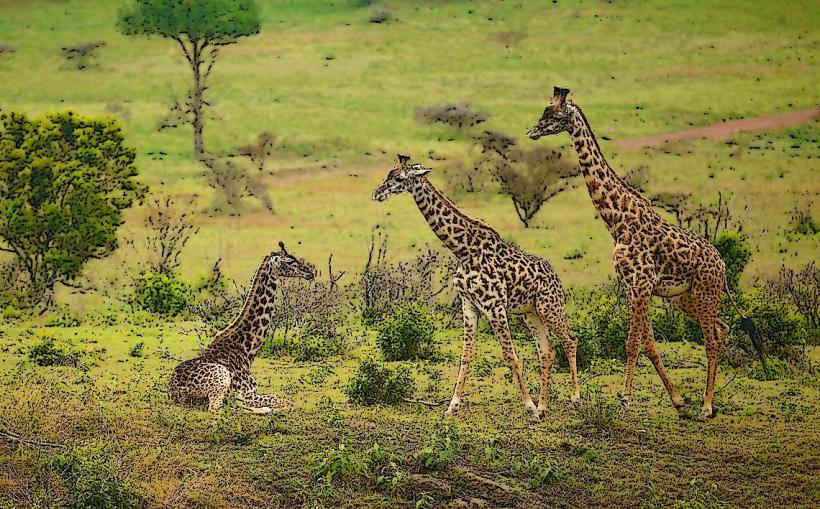
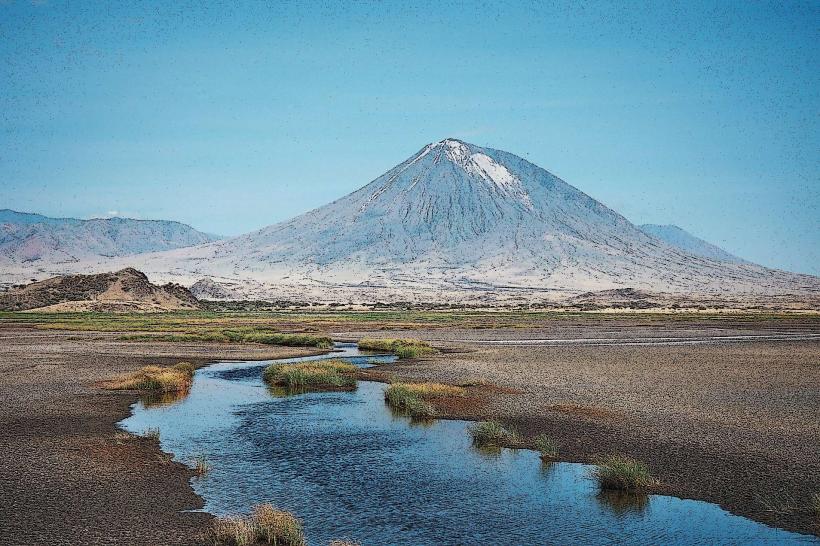
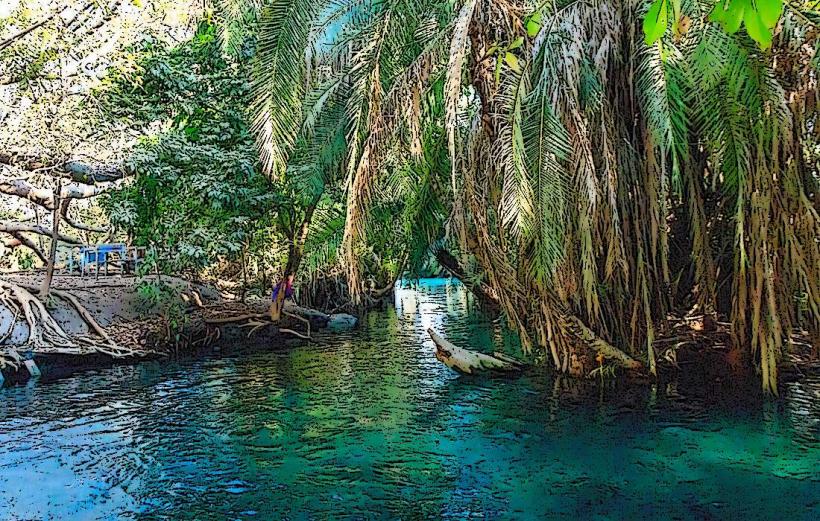
The park centers around Lake Manyara, a shallow alkaline lake that varies in size with the seasons. The lake's water color ranges from pale blue to a muddy brown. Surrounding the lake are diverse habitats including groundwater forests, acacia woodlands, and open grasslands. The acacia woodlands are characterized by flat-topped acacia trees. The groundwater forests are dense with evergreen trees and vines, sustained by underground springs. The grasslands are typically open and dotted with scattered trees.
Location & Access Logistics
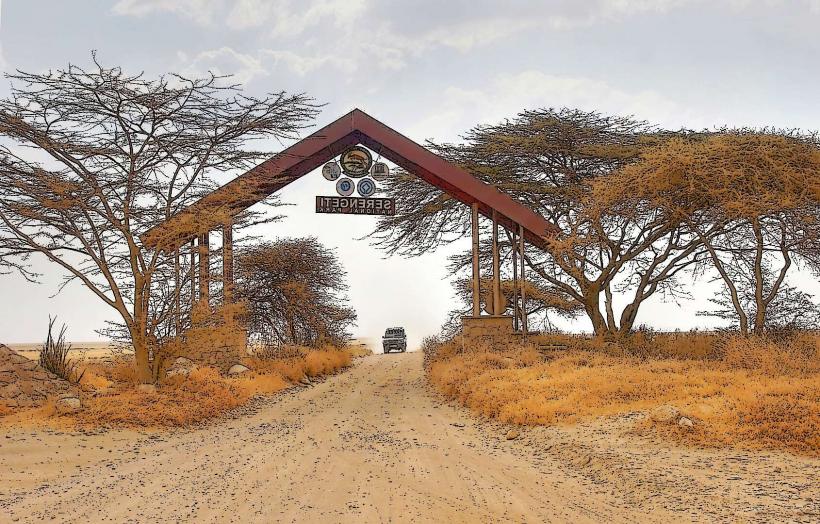
Lake Manyara National Park is located approximately 120 kilometers west of Arusha. The primary access route is via the A8 highway, which connects Arusha to Kigoma. The park entrance is situated approximately 2 kilometers off the A8. Driving time from Arusha is typically 2 to 3 hours, depending on road conditions. There is a designated parking area at the main park gate and near popular viewpoints. Public transport options to the vicinity of the park are limited; private vehicles or organized tour operators are the most common means of access.
Historical & Ecological Origin
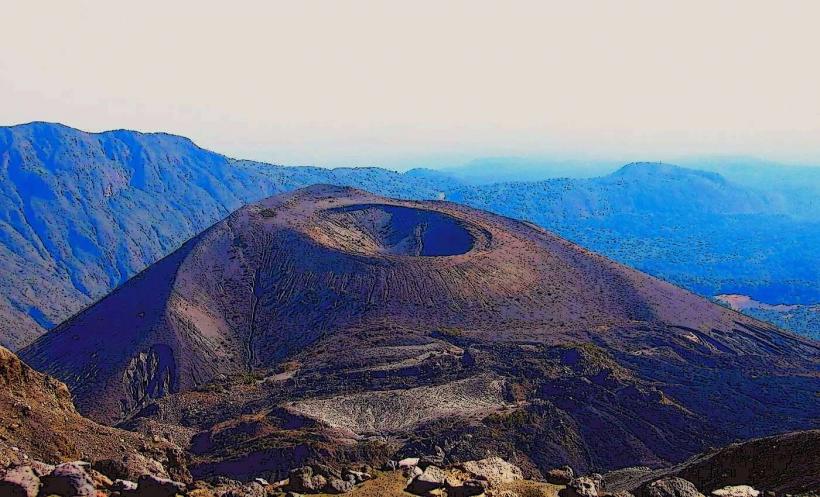
Lake Manyara was established as a game reserve in 1957 and later designated a national park in 1970. The park's ecological significance lies in its diverse habitats supporting a wide range of wildlife. The lake itself is a Ramsar site, recognized for its importance as a wetland. The geological formation of the Great Rift Valley influences the landscape, with escarpments forming the western boundary of the park.
Key Highlights & Activities
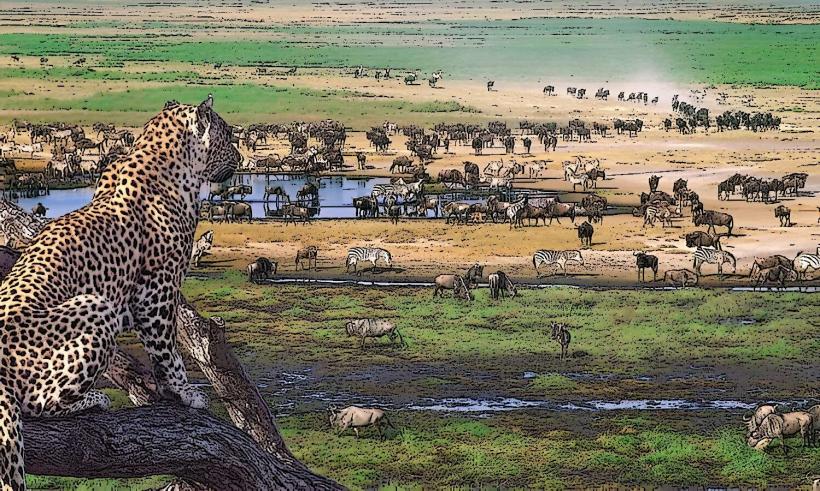
Activities within Lake Manyara National Park include game drives to observe wildlife. Specific wildlife viewing opportunities include searching for the park's tree-climbing lions, observing large herds of elephants, and spotting large troops of baboons. Birdwatching is a significant activity, with over 300 bird species recorded. Walking safaris are permitted in designated areas outside the main park boundaries, accompanied by an armed ranger. Night game drives are also offered by some lodges bordering the park.
Infrastructure & Amenities
Within the park, there are designated picnic sites with basic facilities. Restrooms are available at the park entrance and at some picnic areas. Shade is provided by the dense forest canopy in certain areas and by acacia trees in the woodlands. Cell phone signal (4G/5G) is generally unreliable within the park boundaries, with intermittent reception near the park entrance. Food vendors are not present within the park; visitors are advised to carry their own food and drinks or utilize lodge facilities.
Best Time to Visit
The best time for wildlife viewing is during the dry season, from July to October, when animals congregate around water sources. The wet season, from November to June, brings lush vegetation and migratory birds, but can make some roads impassable. For photography, early morning and late afternoon offer optimal lighting conditions, with the sun rising behind the escarpment and setting over the lake.
Facts & Legends
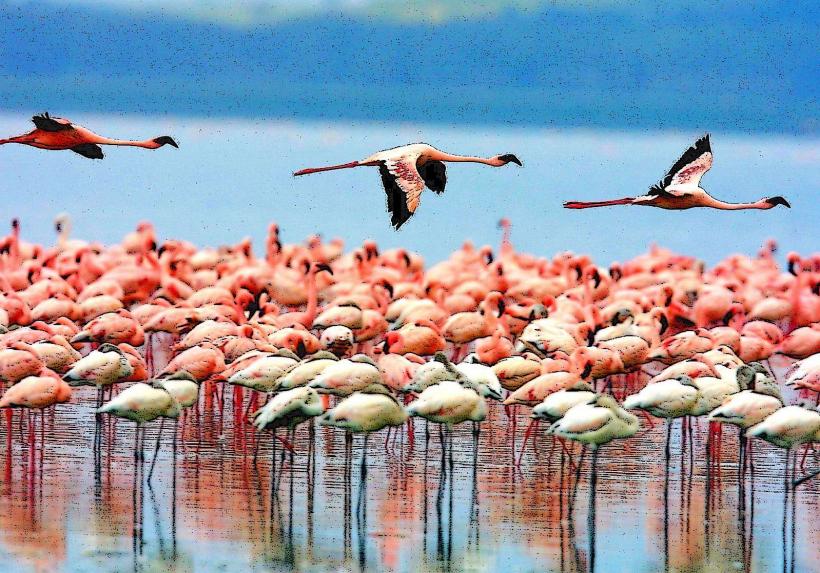
Lake Manyara is known for its population of baboons, which are often seen in large, social groups. A specific observation point, known as the "Baboon Cliffs," offers extensive views of these primates. The lake's alkaline nature supports a high concentration of flamingos during certain periods, though their numbers fluctuate annually.
Nearby Landmarks
- Tarangire National Park (30km South)
- Ngorongoro Conservation Area (40km West)
- Arusha National Park (120km East)
- Kilimanjaro National Park (150km East)