Landmark: Lowell National Historical Park
City: Lowell
Country: USA Massachusetts
Continent: North America
Lowell National Historical Park, Lowell, USA Massachusetts, North America
Lowell National Historical Park preserves the industrial heritage of Lowell, Massachusetts, focusing on the city's role in the American Industrial Revolution.
The park encompasses a significant portion of the historic mill district, including canals, mill buildings, and related structures.
Visual Characteristics
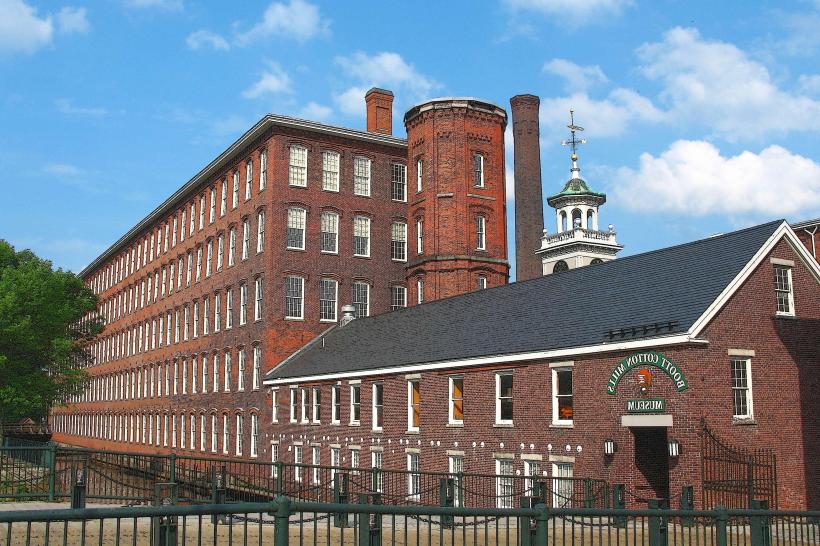
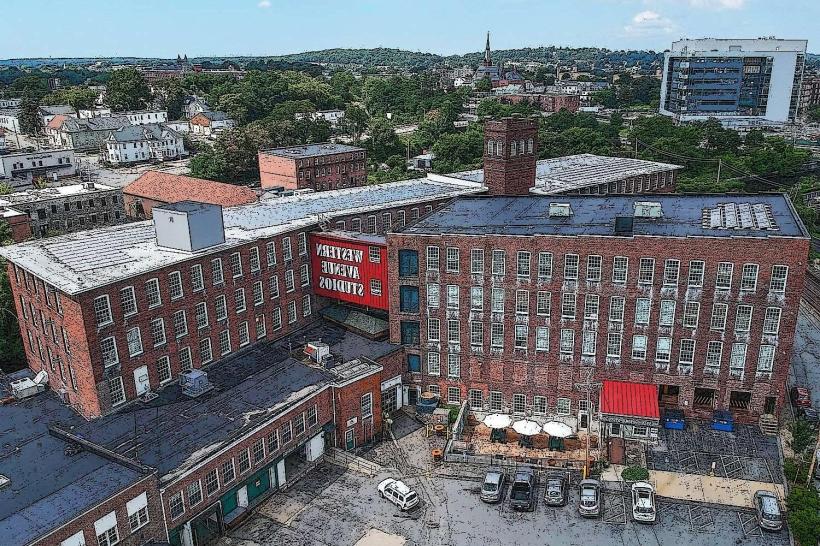
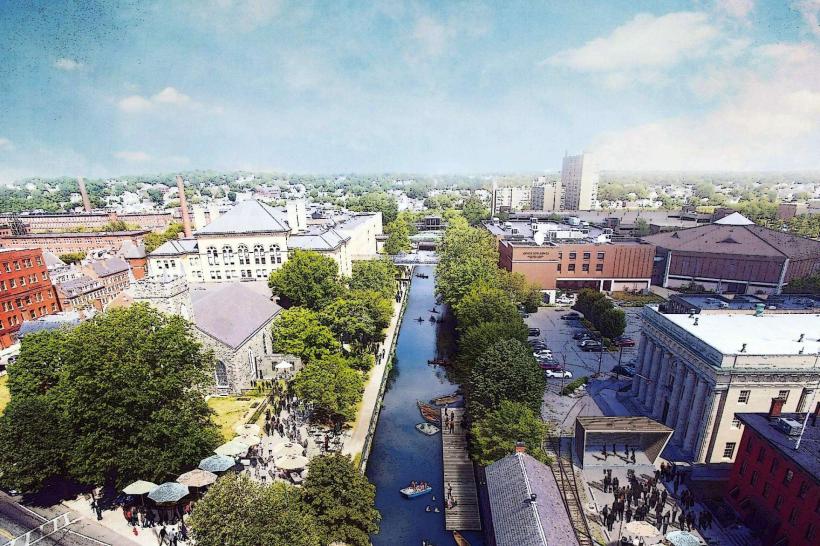
The park features a network of granite and brick mill buildings, many of which are multi-story structures with large window openings. The Merrimack River and its associated canals are central to the landscape, characterized by concrete and stone embankments. The dominant colors are the red of the brickwork and the grey of the granite and concrete. Vegetation is present along the canal banks and in surrounding urban green spaces.
Location & Access Logistics
Lowell National Historical Park is located in downtown Lowell, Massachusetts, approximately 40 kilometers northwest of Boston. Access is via Interstate 495 North or Route 3 North, exiting onto Route 110 East (Merrimack Street). The park is accessible by MBTA Commuter Rail service to Lowell Station, which is within walking distance of the visitor center. Parking is available in several municipal garages, including the Ayotte Garage and the Market Garage, both located near the visitor center.
Historical & Ecological Origin
The park's origin is tied to the development of the textile industry in the early 19th century. The Merrimack Manufacturing Company, established in 1822, utilized the power of the Merrimack River to drive textile production. The canal system was engineered to harness this water power. The area is classified as an urban industrial landscape, shaped by human intervention for manufacturing purposes.
Key Highlights & Activities
Visitors can participate in guided tours of the Boott Cotton Mills Museum, which includes a functioning 19th-century textile machine demonstration. Boat tours operate on the canals during warmer months, offering a perspective on the industrial infrastructure. Walking tours explore the historic mill buildings and the surrounding urban environment. The Lowell Visitor Center provides exhibits on the city's industrial and immigrant history.
Infrastructure & Amenities
Restrooms are available at the Visitor Center and the Boott Cotton Mills Museum. Shaded areas are limited within the historic mill buildings but are present in adjacent urban parks. Cell phone signal (4G/5G) is generally available throughout the park area. Food vendors and restaurants are located in the downtown Lowell area surrounding the park.
Best Time to Visit
The best time for outdoor activities, such as canal boat tours, is from May to October. Mid-morning offers good natural light for photography of the brick and granite structures. The park is accessible year-round for indoor exhibits and historical exploration.
Facts & Legends
A notable historical fact is that Lowell was one of the first planned industrial cities in the United States, designed to integrate manufacturing with housing and community services. The "Mill Girls," young women who worked in the textile mills, played a significant role in the city's early social and labor history, publishing their own newspapers.
Nearby Landmarks
- 0.2km West: Lowell Memorial Auditorium
- 0.3km Southwest: Whistler House Museum of Art
- 0.5km North: Middlesex Community College
- 1.0km East: LeLacheur Park