Landmark: Mehrangarh Fort
City: Jodhpur
Country: India
Continent: Asia
Mehrangarh Fort, Jodhpur, India, Asia
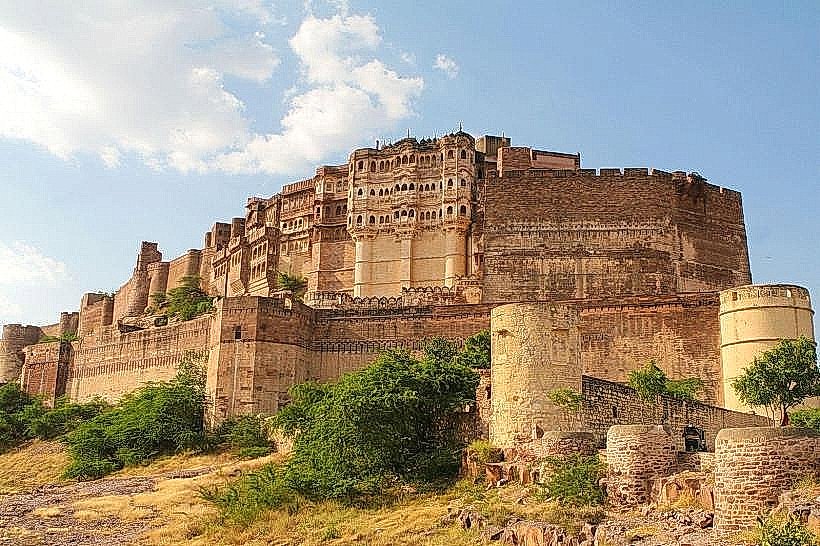
Mehrangarh Fort is a large 15th-century fort situated on a perpendicular cliff, 125 meters above the surrounding plain, in Jodhpur, Rajasthan, India.
Visual Characteristics
The fort is constructed from sandstone, primarily red sandstone. Its walls reach heights of up to 36 meters and are 21 meters thick at their base. The architectural style is a blend of Rajput and Mughal influences, featuring intricate carvings, latticed screens (jalis), and courtyards. Key structures within the fort include Moti Mahal (Pearl Palace), Phool Mahal (Flower Palace), and Sheesh Mahal (Mirror Palace).
Location & Access Logistics
Mehrangarh Fort is located approximately 5 kilometers from the center of Jodhpur. Access is via the Fort Road, which branches off the main city road. Ample parking is available at the base of the fort. Public transport options include auto-rickshaws and taxis from the city center. Bus routes serving the area can be identified locally.
Historical & Ecological Origin
Construction of Mehrangarh Fort began in 1459 under the command of Rao Jodha, the founder of Jodhpur. The fort was built on the advice of a hermit, Sage Chidiyala Nath, who cursed the fort's builders, stating that the fort would always be troubled by scarcity of water. The original purpose was defensive, serving as a stronghold for the Rathore rulers of Marwar.
Key Highlights & Activities
Visitors can explore the various palaces within the fort, each with distinct architectural features and museum exhibits displaying artifacts from the Rathore dynasty. The ramparts offer panoramic views of Jodhpur. Guided tours are available, detailing the fort's history and architecture. Photography is permitted within designated areas.
Infrastructure & Amenities
Restrooms are available within the fort complex. Shaded areas are present in courtyards and within palace interiors. Cell phone signal (4G/5G) is generally available. Food vendors and small eateries are located near the fort entrance and within the city below.
Best Time to Visit
The best time of day for photography is during the early morning or late afternoon when the sandstone is illuminated by softer light. The optimal months for visiting are from October to March, when temperatures are cooler. No specific tide requirements apply.
Facts & Legends
A notable historical oddity is the presence of handprints (sati marks) on a gateway, believed to be those of the wives of Maharaja Man Singh who immolated themselves on his funeral pyre in 1843. A local legend suggests that the fort is haunted by the spirit of Sage Chidiyala Nath.
Nearby Landmarks
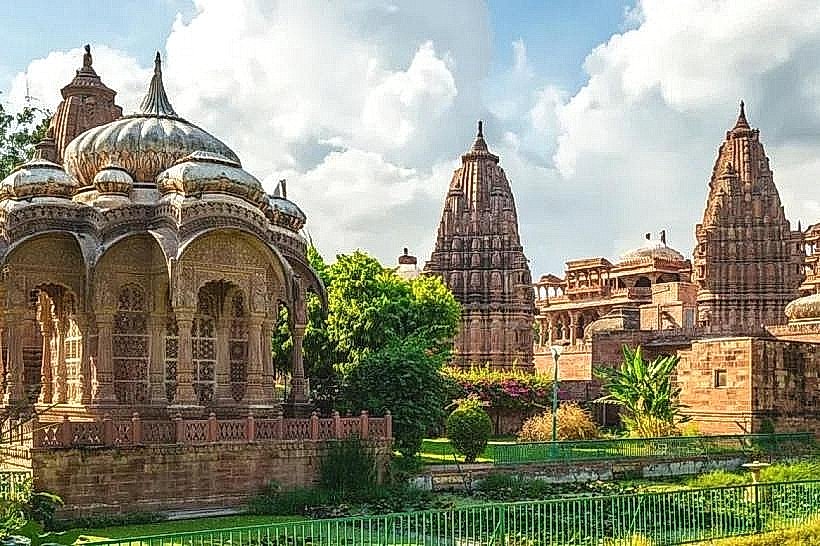
- Jaswant Thada (0.3km Northwest)
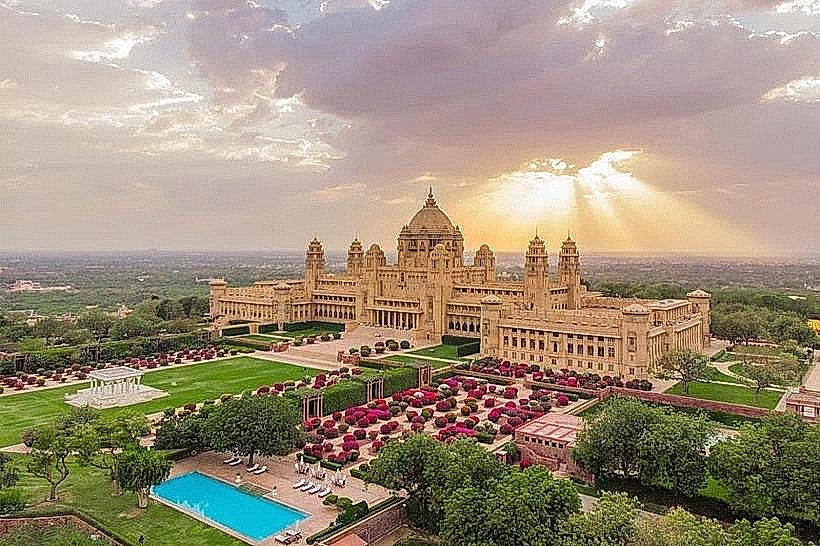
- Umaid Bhawan Palace (2.5km Southwest)
- Clock Tower Market (3.0km South)
- Rao Jodha Desert Rock Park (0.8km West)