Information
Landmark: Milken HillCity: Enugu
Country: Nigeria
Continent: Africa
Milken Hill, Enugu, Nigeria, Africa
Milken Hill is a significant geological formation located in Enugu, Nigeria. It serves as a prominent natural landmark within the region.
Visual Characteristics
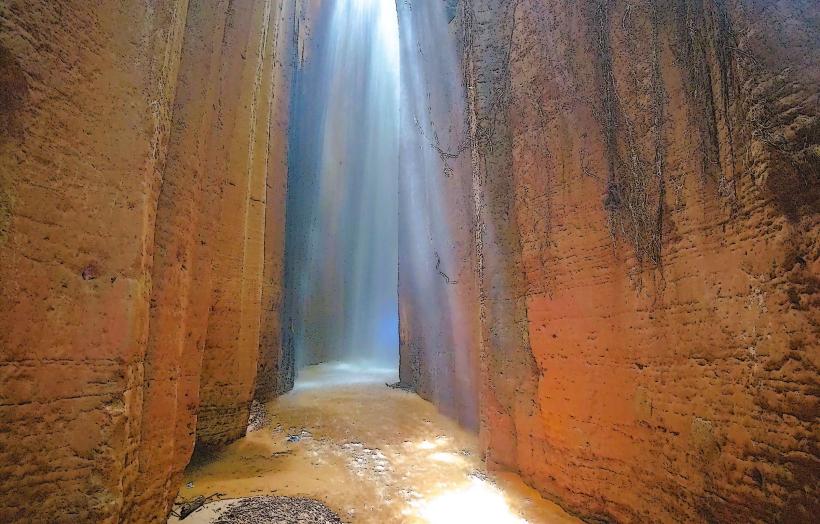
Milken Hill is characterized by its steep, rocky escarpment. The rock faces are primarily composed of sandstone, exhibiting varying shades of brown and ochre. Vegetation is sparse on the exposed rock surfaces, with hardy grasses and small shrubs clinging to crevices. The summit offers a broad, undulating plateau.
Location & Access Logistics
Milken Hill is situated approximately 10 kilometers north of the Enugu city center. Access is primarily via the Old Enugu-Onitsha Road, which passes along the base of the hill. A smaller, unpaved track branches off this road, leading towards the summit, though this is best navigated with a 4x4 vehicle. Limited roadside parking is available at the base. Public transport options are scarce directly to the hill; visitors typically utilize taxis or private vehicles from Enugu.
Historical & Ecological Origin
Milken Hill is part of the Enugu Escarpment, a geological feature formed by Cretaceous sedimentary rocks. The escarpment is a result of differential erosion over millions of years, exposing the underlying rock strata. Ecologically, it represents a transition zone between the savanna and the more humid forest regions.
Key Highlights & Activities
Hiking to the summit is the primary activity. The ascent requires moderate physical exertion. Observation points along the upper trails provide panoramic views of Enugu and the surrounding plains. Photography is possible from various vantage points, particularly during sunrise and sunset.
Infrastructure & Amenities
There are no formal infrastructure or amenities directly on Milken Hill. Restrooms, food vendors, and cell phone signal are not consistently available at the site. Visitors should carry water and snacks. Shade is limited to natural rock overhangs.
Best Time to Visit
The best time for photography is during the early morning or late afternoon when the sun angle creates distinct shadows on the rock faces. The dry season, from November to March, offers the most favorable weather conditions for hiking, with reduced rainfall and humidity. The hottest months are typically February and March.
Facts & Legends
Local folklore suggests that the hill was once a defensive stronghold for ancient communities, with hidden caves used for shelter. Geologically, the sandstone formations contain fossilized plant remains, indicating a prehistoric aquatic environment.
Nearby Landmarks
- Enugu State Government House (2.5km South)
- National Museum, Enugu (4.0km South)
- Okpara Square (3.5km South)
- New Artisan Market (4.5km South)