Landmark: Monastery of St. Elias
City: Prilep
Country: North Macedonia
Continent: Europe
Monastery of St. Elias, Prilep, North Macedonia, Europe
The Monastery of St. Elias is an Eastern Orthodox monastic complex situated on a rocky hill overlooking the city of Prilep, North Macedonia. It functions as an active religious site, housing a church dedicated to Prophet Elijah and associated monastic structures.
Visual Characteristics
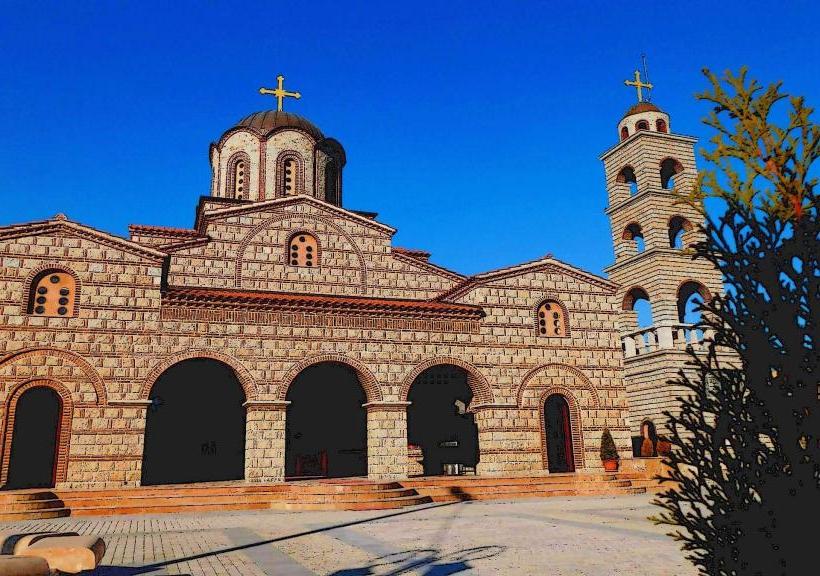
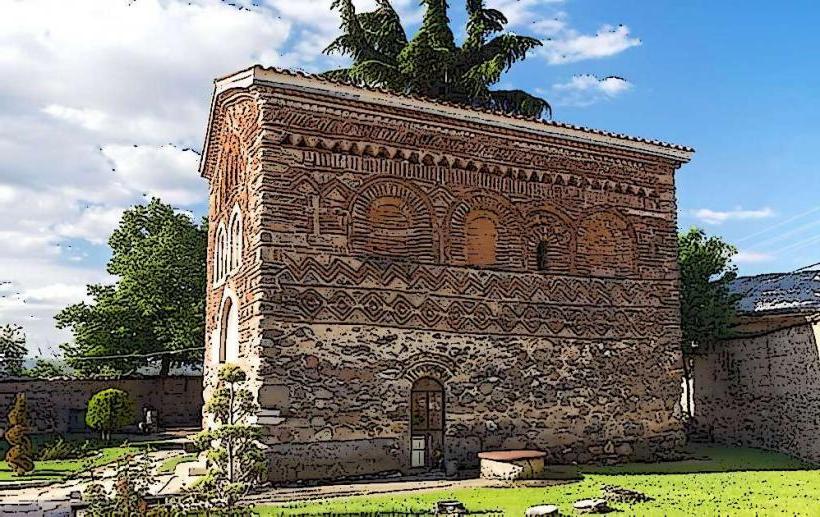
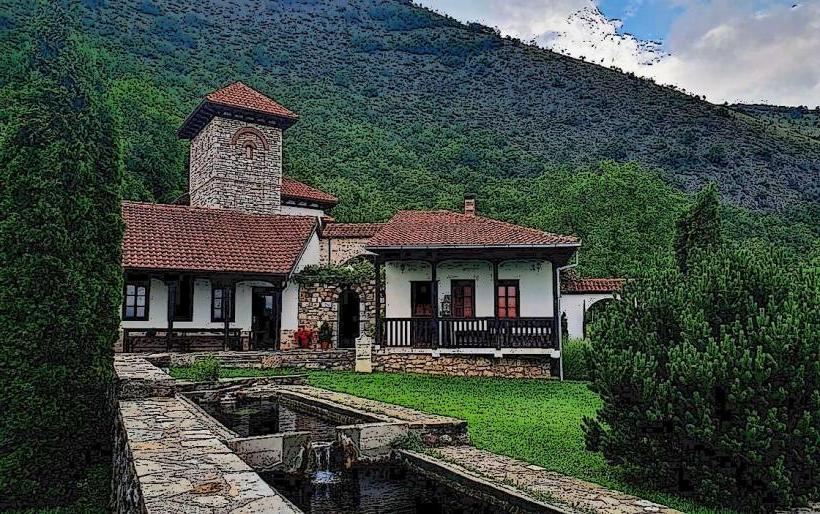
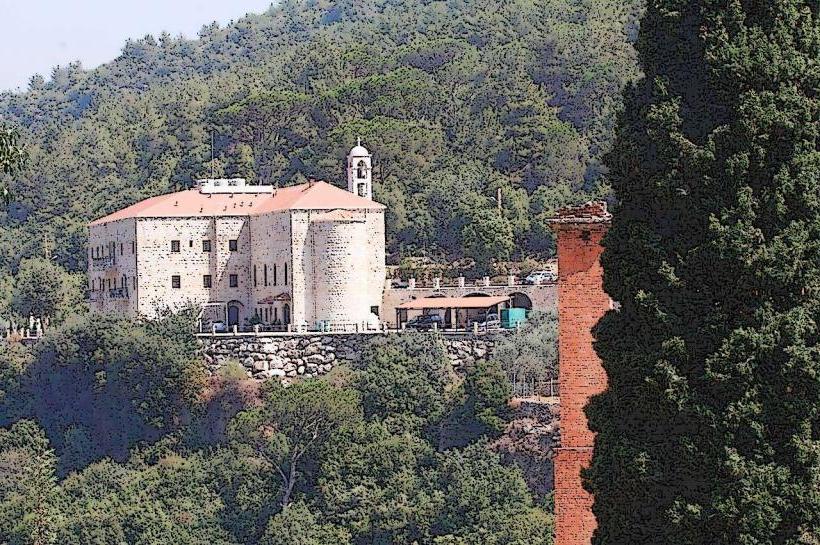
The monastery complex features a central church constructed primarily from stone and brick, with plastered and whitewashed exterior walls. The roof is typically red-tiled, and the church is characterized by a single dome. A separate bell tower stands adjacent to the main church. Surrounding the church are monastic cells and auxiliary buildings, also built from stone and plaster, forming a compact, fortified appearance against the natural rock formations of the hill.
Location & Access Logistics
The Monastery of St. Elias is located approximately 3 kilometers northeast of Prilep city center. Access is primarily via a narrow, winding asphalt road that ascends the hill from the city's outskirts. Limited informal parking is available near the monastery entrance. Public transportation does not directly serve the monastery; visitors typically use private vehicles, taxis, or hike from the city.
Historical & Ecological Origin
The original construction of the Monastery of St. Elias dates back to the 13th or 14th century, though it has undergone various reconstructions and expansions throughout its history, particularly in the 19th century. Its original purpose was to serve as a spiritual center for monastic life and a place of worship dedicated to Prophet Elijah.
Key Highlights & Activities
Visitors can enter the church to observe its interior frescoes, some of which date from the 14th century. The monastery grounds offer panoramic views of Prilep city and the surrounding Pelagonia plain. Hiking trails connect the monastery to other points on the hill, including the nearby Markovi Kuli fortress ruins.
Infrastructure & Amenities
Basic restroom facilities are available on the monastery grounds. Shade is provided by the monastery buildings and some scattered trees. Cell phone signal (4G/5G) is generally available, though it may vary in strength depending on the exact location within the complex. There are no dedicated food vendors or shops directly at the monastery; visitors should plan accordingly.
Best Time to Visit
The best time for photography is during the early morning or late afternoon hours when the sun casts long shadows and illuminates the monastery and the city below. The most favorable months for visiting are spring (April-May) and autumn (September-October) due to milder temperatures suitable for hiking and exploration. Summer months can be hot, especially during midday.
Facts & Legends
Local lore suggests that the monastery's isolated position on the rocky outcrop was chosen for its strategic defensive capabilities and spiritual solitude. It is said that the monastery once served as a refuge during periods of conflict, with its thick stone walls providing protection. A specific legend recounts a hidden spring within the monastery grounds, believed to possess healing properties, though its exact location is not publicly known.
Nearby Landmarks
- Markovi Kuli (Marko's Towers) – 1.5km West
- Prilep Tobacco Museum – 3km Southwest
- Elephant Rock – 4km Northwest
- Treskavec Monastery – 7km North (requires further ascent)