Landmark: Mount Pisgah
City: St Johnsbury
Country: USA Vermont
Continent: North America
Mount Pisgah, St Johnsbury, USA Vermont, North America
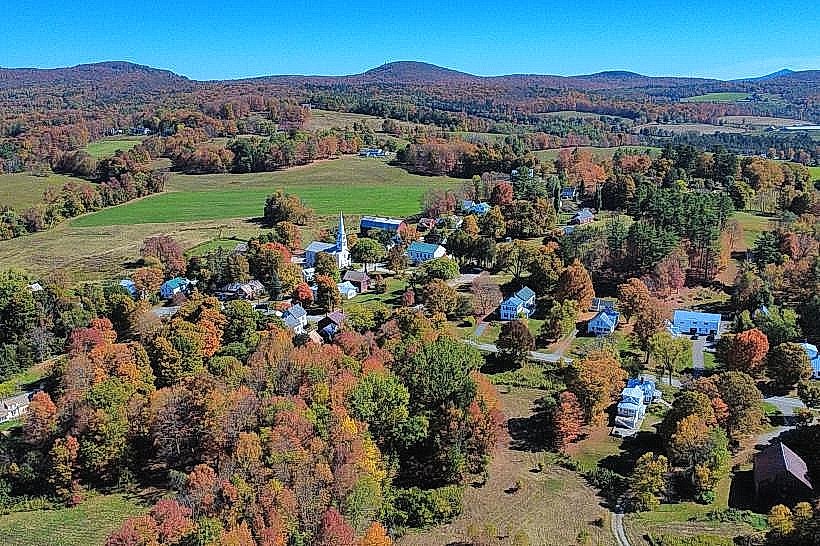
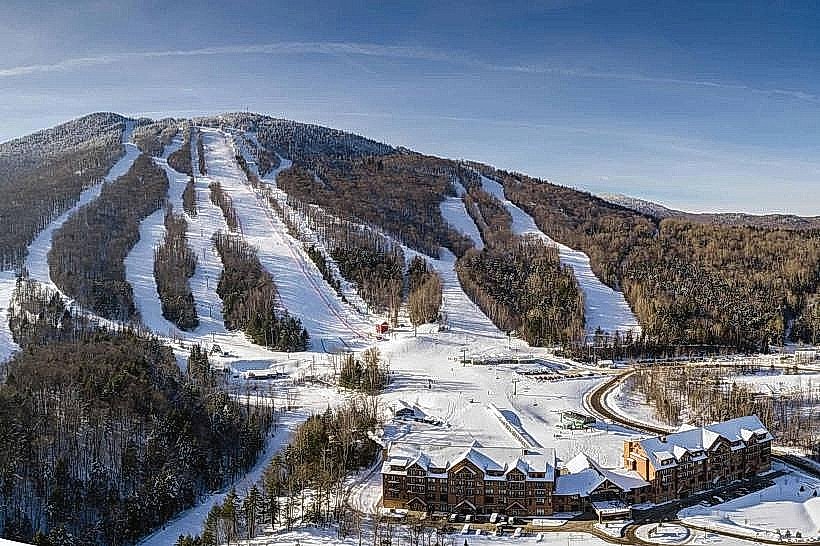
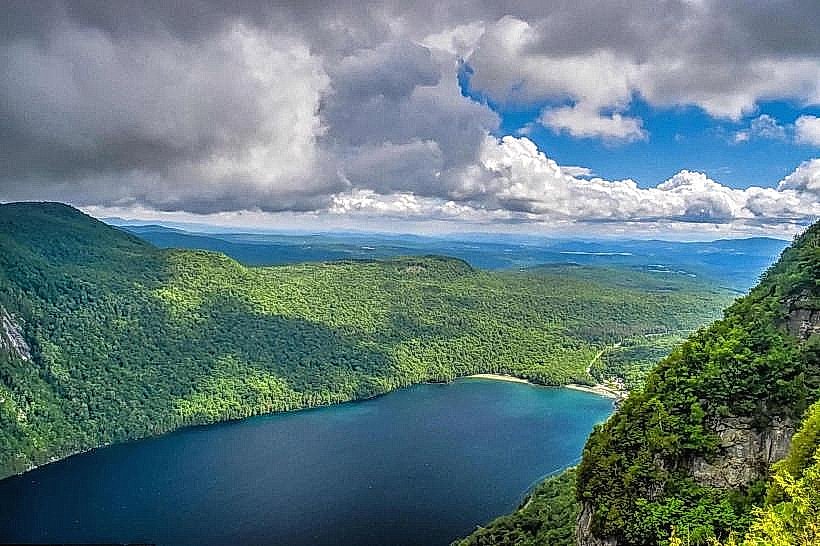
Mount Pisgah is a prominent peak located in St. Johnsbury, Vermont, USA. It is part of the Green Mountains range.
Visual Characteristics
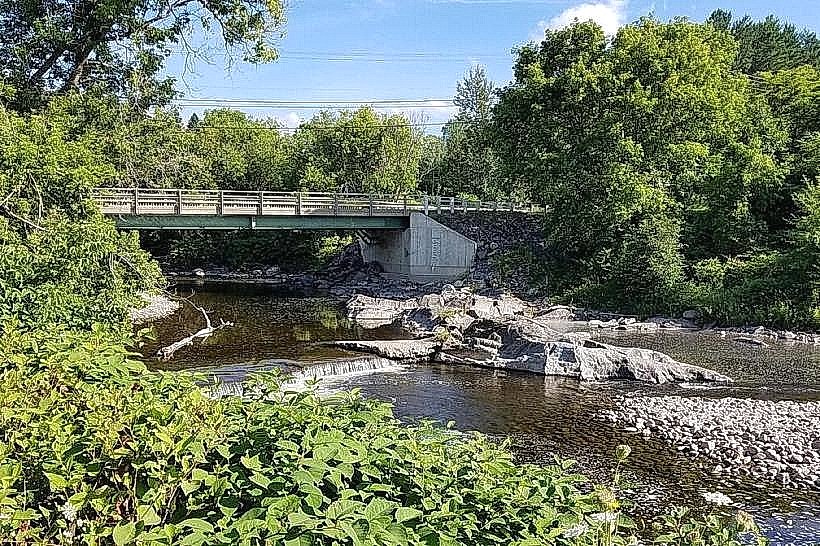
The mountain exhibits a deciduous forest cover, primarily composed of maple, birch, and oak species. Its slopes are characterized by moderate to steep inclines. The summit offers exposed granite formations. Elevation reaches approximately 1,000 meters (3,280 feet) above sea level.
Location & Access Logistics
Mount Pisgah is situated approximately 5 kilometers (3.1 miles) east of downtown St. Johnsbury. Access is via US Route 2 East. Turn north onto Pisgah Road, which leads to a designated parking area at the trailhead. Parking is free and accommodates approximately 30 vehicles. No public transport directly serves the trailhead.
Historical & Ecological Origin
Mount Pisgah is a product of the Taconic orogeny, a mountain-building event that occurred during the Devonian period. The peak is composed of metamorphic rock, including schist and quartzite, indicative of ancient sedimentary layers subjected to heat and pressure. Ecologically, it represents a temperate deciduous forest ecosystem.
Key Highlights & Activities
Hiking is the primary activity. The main trail, the Pisgah Trail, is a 4.8-kilometer (3-mile) loop. A 1.6-kilometer (1-mile) spur trail leads to the summit overlook. Rock climbing is permitted on designated cliff faces, requiring appropriate gear and experience. Birdwatching is common during migratory seasons.
Infrastructure & Amenities
The trailhead parking area includes a small information kiosk. No restrooms are available at the trailhead or on the trails. Shade is provided by the forest canopy along the hiking routes. Cell phone signal is intermittent to non-existent on the trails and at the summit.
Best Time to Visit
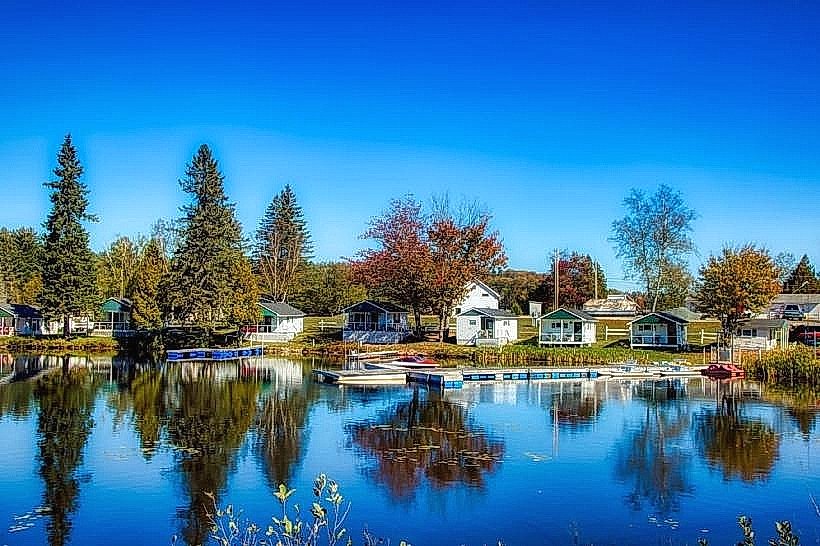
For hiking, late spring through early autumn (May to October) offers the most favorable conditions. Mid-morning (9:00 AM - 11:00 AM) provides optimal lighting for photography of the surrounding landscape. Autumn foliage viewing is at its peak in late September and early October.
Facts & Legends
A local legend suggests that the mountain was named after the biblical Mount Pisgah, where Moses viewed the Promised Land, due to its expansive views. A verified historical fact is that the summit was a site for early radio transmission experiments in the early 20th century.
Nearby Landmarks
- St. Johnsbury Athenaeum (2.5km West)
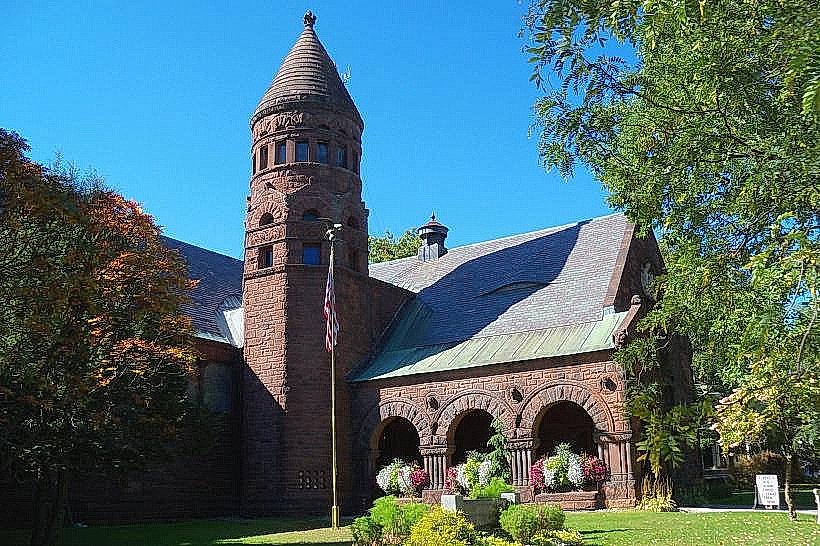
- Fairbanks Museum & Planetarium (3.0km West)
- St. Johnsbury History & Heritage Center (3.2km West)
- Cathedral of the Immaculate Conception (3.5km West)